It is dramatically strange, after re-reading this Blog, to realize--Yikes, Chihuahua!--what a great life I'm leading! There is life after work. Cool. Rainbow. Hippie. Amen.
Gracias, CenterDoug
Friday, May 30, 2008


Heart for the Americas
‘Twixt Here and There
“Heart for the Americas”
©Doug Evans Betanco 2008
For La Tribuna, Glenwood Springs
I have a heart for the Americas and their people: North Americans, Central Americans, South Americans, all Pan-Americans, from Hudson's Bay down to the tip of Patagonia. Born to the same hemisphere on this twirling planet, we’re made special, instantly-united by geography and history, even when torn by government shenanigans, disparity, immigrant abuses, and almighty pressure from across the oceans. Americans live in the Americas, and I’ve come to love them all.
A Waspy young boy, I grew up in New Jersey in the ‘50s: my closest touch to Latinos was the Puerto Rican street gang in West Side Story. That condition lasted well into my 20s, until I moved to Denver, discovered “Mexican” food and met a few Hispanics, one from Peru, in 1973. From then until 1993, my take on the other sons of America was that they lived somewhere else and occasionally bloomed with genius like Gabriel Maria Marquez or Sandra Cisneros or Rudolfo Anaya. All through the ‘80s in Glenwood Springs, few spoke Spanish, except for the high school Spanish teacher.
In 1993, however, all the Pan-Americans came crowding in on me, or, rather, I barged right into their space, a total gringo, by joining a CMC-sponsored trip for three weeks to Glenwood’s Sister City, Teotecacinte, Nicaragua. My first thought when I got to this ravaged village at the end of the road was that we fund windowboxes full of red geraniums for the town square! It's been a high-learning-curve ever since. There I found what’s shaping up to lasting joy in my life and a greater authenticity as a writer. For four years before my trip and for fifteen years after, the campesinos of Northern Nicaragua and the people of Glenwood have worked to bring the infrastructure of the town back to healthy standards after the devastation of the Contra War in the ‘80s, building potable water systems, sharing expertise in education, health and agriculture, adding daycare centers and a notable high school, while bonding as brothers and sisters. I became a Betanco as well as a better Evans. Suddenly, the people of Central America and I, at least in Nicaragua, became family.
I have grown deeply as a result of this bridge-building, and have welcomed our new Hispanic population to the Valley since 1993 as a step forward in cultural diversity. I’ve loved the ESL students in my classes, even though we were frustrated by language acquisition and college level standards. The values of our new Latino neighbors are admirable, based in the Golden Rule and the nuclear family. I know we can work together to build our community stronger than either could do alone, a synergy of best practices greater than the sum of its parts. At least I hope so. It takes patience, compassion, gracias and especially listening from all sides.
I’ll be writing a column a month for La Tribuna, focused on the interface between my Pan-American sisters and brothers, here and in Nicaragua, where I live half the year. As “The Honorable and Loco Ambassador from Teote to Glenwood Springs,” appointed by Teote’s Council, I’ll be continuing the Sister City efforts. With one foot in the First World and one in the Third, it’s a continually topsy-turvy life of insight that I hope you’ll enjoy. Gracias por todo.
[For more info about the Sister City work, contact me a devans384@gmail.com].
Gracias, CenterDoug
“Heart for the Americas”
©Doug Evans Betanco 2008
For La Tribuna, Glenwood Springs
I have a heart for the Americas and their people: North Americans, Central Americans, South Americans, all Pan-Americans, from Hudson's Bay down to the tip of Patagonia. Born to the same hemisphere on this twirling planet, we’re made special, instantly-united by geography and history, even when torn by government shenanigans, disparity, immigrant abuses, and almighty pressure from across the oceans. Americans live in the Americas, and I’ve come to love them all.
A Waspy young boy, I grew up in New Jersey in the ‘50s: my closest touch to Latinos was the Puerto Rican street gang in West Side Story. That condition lasted well into my 20s, until I moved to Denver, discovered “Mexican” food and met a few Hispanics, one from Peru, in 1973. From then until 1993, my take on the other sons of America was that they lived somewhere else and occasionally bloomed with genius like Gabriel Maria Marquez or Sandra Cisneros or Rudolfo Anaya. All through the ‘80s in Glenwood Springs, few spoke Spanish, except for the high school Spanish teacher.
In 1993, however, all the Pan-Americans came crowding in on me, or, rather, I barged right into their space, a total gringo, by joining a CMC-sponsored trip for three weeks to Glenwood’s Sister City, Teotecacinte, Nicaragua. My first thought when I got to this ravaged village at the end of the road was that we fund windowboxes full of red geraniums for the town square! It's been a high-learning-curve ever since. There I found what’s shaping up to lasting joy in my life and a greater authenticity as a writer. For four years before my trip and for fifteen years after, the campesinos of Northern Nicaragua and the people of Glenwood have worked to bring the infrastructure of the town back to healthy standards after the devastation of the Contra War in the ‘80s, building potable water systems, sharing expertise in education, health and agriculture, adding daycare centers and a notable high school, while bonding as brothers and sisters. I became a Betanco as well as a better Evans. Suddenly, the people of Central America and I, at least in Nicaragua, became family.
I have grown deeply as a result of this bridge-building, and have welcomed our new Hispanic population to the Valley since 1993 as a step forward in cultural diversity. I’ve loved the ESL students in my classes, even though we were frustrated by language acquisition and college level standards. The values of our new Latino neighbors are admirable, based in the Golden Rule and the nuclear family. I know we can work together to build our community stronger than either could do alone, a synergy of best practices greater than the sum of its parts. At least I hope so. It takes patience, compassion, gracias and especially listening from all sides.
I’ll be writing a column a month for La Tribuna, focused on the interface between my Pan-American sisters and brothers, here and in Nicaragua, where I live half the year. As “The Honorable and Loco Ambassador from Teote to Glenwood Springs,” appointed by Teote’s Council, I’ll be continuing the Sister City efforts. With one foot in the First World and one in the Third, it’s a continually topsy-turvy life of insight that I hope you’ll enjoy. Gracias por todo.
[For more info about the Sister City work, contact me a devans384@gmail.com].
Gracias, CenterDoug
Monday, May 19, 2008
Sunbeam's Gift
I've got a fat check coming, and it's created some angst in me. I'm meant to stimulate the economy with it, which sounds a bit sexy, but, unfortunately, I've got new rules.
Believe you me, I've been very patriotic in my economic stimulation for 63 years. I've done it with finesse, buying hard-cover gardening books and GAP clothes in escalating sizes, paying for colleges and cosmetic wart-removal, while investing mostly in a Carbondale artist named Wewer Keohane, a foresightful decision, gracias por todo.
Currently, though, I'm spending hours a day divesting my Glenwood Springs apartment, an Ali Baba's Treasure Cave, of once-very-stimulating stimulations, piled up in corner, closet and antique Chinese cabinet. In Teote, I can't show my home fotos to the Betancos: this Uber-Stuff marks me as the grossest rico on the Planet Earth, even though I fit the American lower middle level by averaged income. I can hear the campesino calculators spinning: "There's 100 T-shirts in that closet, and I have three!" This makes me very uncomfortable, for very clear reasons. As well, I'm tripping over heaps of treasures, not good for an aged rainbow hippie with very delicate bones.
So, soon after returning to my Colorado Tower Suite, I commited to minimalization on a daily basis, while also standing in my power not to buy one thing 'til it's almost bare: just me, a bed, a desk and chair, a scant summer wardrobe and my enormous art collection. It will rival campesino cupboards in utility-simple: my sister Marta feeds thirteen people a day at la casa de palomas with four sandwich plates, three soup bowls, 12 plastic glasses, four coffee cups, and 13 pieces of silverware, so I've a perfect model in my head. I've spent a week packing china and glassware for consignment! "I will not purchase anything but diet food and prescription drugs 'til I'm living like a peasant," my brand-new mantra: count on a porch sale at Palmer House in June.
However, living in Glenwood Springs while "Not Accumulating!" is ridiculously difficult. In Nicaragua, there's nothing to buy but Dollar Store Specials, so it's easy to keep my life light there. Here, however, with the caravan crossroads of the globe right up the road in two directions, I'm learning to say "No!" real hard.
Maybe I'm a glitz-magnet? Even more difficult, my friends are also downsizing and want me to pick up their unwanted things. It's hard to say "No!" to a rain of intriguing gifts, especially since "Free!" tingles my poor-Welsh-peasant soul: I am getting better at it, gracias a Nicaragua. Plus, I simply have no place to put one more thing!
I'm feeling, however, almost unpatriotic: Using our three trillion dollar spendfest in Iraq as a model, I imagine we're to get to a BigBox pronto and BUY, but that disobeys my rules. As well, the "Good Citizens Shop" idea does not work for me as a criteria of valued citizenship: Grammy Edwards always taught me that "Good Citizens Save," but maybe that's become Obsolete nowadays. What to do? What to do? I certainly wouldn't want to be considered a terrorist for living on the interest of my interest.
On top of all that, this E.S. check looks like "found money," money for Teote, for land, cows, turkeys, fish-farms and the like. Even though money spent there usually ends up in a Miami bank, this doesn't seem the intention of OHG's gift, and as a diplomat from Teote, now, I walk with measured steps, especially with money from the Gods of War out there.
I wish my Nicaraguan son, Ramon Ernesto, that joyous sunbeam, were here to reflect and focus my thinking. He's a very good communicator, despite the language barrier, as he knows me pretty well after 15 years, yet thinks that everything I say is downright magical--What can I do?--even when I'm being an utter fool. Perhaps because of that, I . . . Huh? That's it! I'll give it to Ramon! An official gift from OHG to welcome a son of the Americas to our shores, one packing a US Passport. I've decided to adopt him here in the States, which fills me with the joy of a completed turn-around, both for me and Nicaragua, and certainly for Ramon Ernesto.
I'll buy his airplane ticket north--Support the Airlines!--and the rest will be his first Estados spending money, once he's here. I imagine he'll know exactly how to stimulate the economy.
And I'll find a pathway through this glitz, so I can live as simply as a campesino, even here, deep in the heart of Colorado.
Gracias, CenterDoug
Believe you me, I've been very patriotic in my economic stimulation for 63 years. I've done it with finesse, buying hard-cover gardening books and GAP clothes in escalating sizes, paying for colleges and cosmetic wart-removal, while investing mostly in a Carbondale artist named Wewer Keohane, a foresightful decision, gracias por todo.
Currently, though, I'm spending hours a day divesting my Glenwood Springs apartment, an Ali Baba's Treasure Cave, of once-very-stimulating stimulations, piled up in corner, closet and antique Chinese cabinet. In Teote, I can't show my home fotos to the Betancos: this Uber-Stuff marks me as the grossest rico on the Planet Earth, even though I fit the American lower middle level by averaged income. I can hear the campesino calculators spinning: "There's 100 T-shirts in that closet, and I have three!" This makes me very uncomfortable, for very clear reasons. As well, I'm tripping over heaps of treasures, not good for an aged rainbow hippie with very delicate bones.
So, soon after returning to my Colorado Tower Suite, I commited to minimalization on a daily basis, while also standing in my power not to buy one thing 'til it's almost bare: just me, a bed, a desk and chair, a scant summer wardrobe and my enormous art collection. It will rival campesino cupboards in utility-simple: my sister Marta feeds thirteen people a day at la casa de palomas with four sandwich plates, three soup bowls, 12 plastic glasses, four coffee cups, and 13 pieces of silverware, so I've a perfect model in my head. I've spent a week packing china and glassware for consignment! "I will not purchase anything but diet food and prescription drugs 'til I'm living like a peasant," my brand-new mantra: count on a porch sale at Palmer House in June.
However, living in Glenwood Springs while "Not Accumulating!" is ridiculously difficult. In Nicaragua, there's nothing to buy but Dollar Store Specials, so it's easy to keep my life light there. Here, however, with the caravan crossroads of the globe right up the road in two directions, I'm learning to say "No!" real hard.
Maybe I'm a glitz-magnet? Even more difficult, my friends are also downsizing and want me to pick up their unwanted things. It's hard to say "No!" to a rain of intriguing gifts, especially since "Free!" tingles my poor-Welsh-peasant soul: I am getting better at it, gracias a Nicaragua. Plus, I simply have no place to put one more thing!
I'm feeling, however, almost unpatriotic: Using our three trillion dollar spendfest in Iraq as a model, I imagine we're to get to a BigBox pronto and BUY, but that disobeys my rules. As well, the "Good Citizens Shop" idea does not work for me as a criteria of valued citizenship: Grammy Edwards always taught me that "Good Citizens Save," but maybe that's become Obsolete nowadays. What to do? What to do? I certainly wouldn't want to be considered a terrorist for living on the interest of my interest.
On top of all that, this E.S. check looks like "found money," money for Teote, for land, cows, turkeys, fish-farms and the like. Even though money spent there usually ends up in a Miami bank, this doesn't seem the intention of OHG's gift, and as a diplomat from Teote, now, I walk with measured steps, especially with money from the Gods of War out there.
I wish my Nicaraguan son, Ramon Ernesto, that joyous sunbeam, were here to reflect and focus my thinking. He's a very good communicator, despite the language barrier, as he knows me pretty well after 15 years, yet thinks that everything I say is downright magical--What can I do?--even when I'm being an utter fool. Perhaps because of that, I . . . Huh? That's it! I'll give it to Ramon! An official gift from OHG to welcome a son of the Americas to our shores, one packing a US Passport. I've decided to adopt him here in the States, which fills me with the joy of a completed turn-around, both for me and Nicaragua, and certainly for Ramon Ernesto.
I'll buy his airplane ticket north--Support the Airlines!--and the rest will be his first Estados spending money, once he's here. I imagine he'll know exactly how to stimulate the economy.
And I'll find a pathway through this glitz, so I can live as simply as a campesino, even here, deep in the heart of Colorado.
Gracias, CenterDoug
Friday, May 16, 2008
When Dios Touched Adam
[CenterDoug Notes: Having just read a must-read article by Evgenia Peretz, "James Frey's Morning After" in the June Vanity Fair, I need to establish at this end of the blog a small disclaimer, as I did with "In the Beginning,"earlier on: while all I write is as truthfully and honestly written about things that happen in my life, this is still an embellished memoir, a literary work, not a news story. For the literal nasties who trashed Frey as a "liar" for being a creative artist with his memoir of addictions, one big "BOOOO!" for simple-mindedness and spite. A Million Little Pieces is a great book. Frey's new novel, Bright, Shiny Morning establishes him as a major American writer, and, too, one who has stayed completely dry throughout his vilification.
The following narrative essay, "When Dios Touched Adam," is a case in point: while this event occurred on March 15, 2008 in Teote's little white church, from 8 pm to 9pm on the night before Easter Sunday, I'm writing this reverie on May 18, a product I'm editing, embellishing, and polishing through mists of recollection and wonder. I'm working to be honest but I know there are occasional lapses, where the word choice or emotional nature of the text has required movement from before to after, or, even more, to invention of detail for clarity. There were, for instance, flowers on the altar on March 15. Also, Don Moncho and Ramon Ernesto would probably remember the episode differently. The don wouldn't want dona Eva to hear about all those ladies hugging him. Ramon might downplay his crying to one tear in the eye because he's such a macho. We all edit our stories every day. Right now this experience feels like a dream I'm glad I caught and saved. As Norman Mailer stated about memoir as a genre, "That's why a writer writes his memoir, to tell a lie and create an ideal self" from which to glean some truth.
The best way I know to push my buttons is to call me a liar: I must have buried trauma about using my creative imagination, some holdover from a childhood telling stories and, sometimes, getting caught in a fib. Still, I wouldn't pause a moment from adding flavor to the brew of a story, even in a memoir, if it helped to bring my truth to the insight of a reader.
Any reader who feels cheated if a memoir isn't 100% factual needs to grow: there's no such bird in the library's aviary. Even histories and "news" pass through the filter of the writer. Hmm. Maybe this excoriation of Frey comes from our sickness-to-death of being "lied" to, by those who should know better. Perhaps, the wrath of professional writers projected at Frey results from buried guilt for "spinning" stories in their pasts, in order to pay the bills.
Still, after the Frey incident, I feel I need to pull a Kurt Vonnegut, and remind other bloggers that "Nothing in this book is true." CD]
Amen and Hallelujah, Gracias, CenterDoug
The following narrative essay, "When Dios Touched Adam," is a case in point: while this event occurred on March 15, 2008 in Teote's little white church, from 8 pm to 9pm on the night before Easter Sunday, I'm writing this reverie on May 18, a product I'm editing, embellishing, and polishing through mists of recollection and wonder. I'm working to be honest but I know there are occasional lapses, where the word choice or emotional nature of the text has required movement from before to after, or, even more, to invention of detail for clarity. There were, for instance, flowers on the altar on March 15. Also, Don Moncho and Ramon Ernesto would probably remember the episode differently. The don wouldn't want dona Eva to hear about all those ladies hugging him. Ramon might downplay his crying to one tear in the eye because he's such a macho. We all edit our stories every day. Right now this experience feels like a dream I'm glad I caught and saved. As Norman Mailer stated about memoir as a genre, "That's why a writer writes his memoir, to tell a lie and create an ideal self" from which to glean some truth.
The best way I know to push my buttons is to call me a liar: I must have buried trauma about using my creative imagination, some holdover from a childhood telling stories and, sometimes, getting caught in a fib. Still, I wouldn't pause a moment from adding flavor to the brew of a story, even in a memoir, if it helped to bring my truth to the insight of a reader.
Any reader who feels cheated if a memoir isn't 100% factual needs to grow: there's no such bird in the library's aviary. Even histories and "news" pass through the filter of the writer. Hmm. Maybe this excoriation of Frey comes from our sickness-to-death of being "lied" to, by those who should know better. Perhaps, the wrath of professional writers projected at Frey results from buried guilt for "spinning" stories in their pasts, in order to pay the bills.
Still, after the Frey incident, I feel I need to pull a Kurt Vonnegut, and remind other bloggers that "Nothing in this book is true." CD]
"When Dios Touched Adam"
Imagine, if you will, that ultra-famous section of Michelangelo's Sistine Chapel ceiling extravaganza in which Dios, all glory, wrapped in cherubim and light, sends life's spark from His finger to a hunky, recumbent Adam. Zap! Got the picture?
I got zapped much like that, I know, last March in Teote, as did most of the catolicos in the Upper Jalapa Valley, at the Resurrection Eve Candlelight Mass during Holy Week in Teote's new iglesia. When in Teote, I worship with my family of Betancos there, and, because it's a liberation Catholic diocese, I take communion as well: there, if someone wants to eat, he's served, with joy and gracias, regardless of his past affiliations. I get hungrier for host, I guess, being hourly bombarded by mortars of poverty and manipulation, down there, so I'm very deeply grateful.
The church is a 100' x 150' x 30' hall, with wrens nesting in the rafters. It's filled with wooden benches--No way to slouch!--lit by large open windows, with a center aisle sweeping up to the very plain altar, backed by a 20 foot crucifix of carved and painted wood, with Christ upon it. To each side, just recently donated, life-size statues of Jesus, Mary and Joseph, in brightly painted plaster, look out to the congregation. I swear that Jesus statue winks at me, sometimes, but, then, my eyes are failing.
When the Betanco family, about 35 strong on Holy Saturday night at 8 pm, waiked into the darkened back of the iglesia, I had to let my eyes adjust, a glimmer of dusk still behind me in the western sky. The church was dark: Jesus was still in the tomb. The family split up at the door, the brothers and sisters claiming seats in the back pews with their kids, while mi padre don Moncho, my newly-adopted son Ramon Ernesto Evans Betanco and I headed quickly up the side aisle and snagged don Moncho's customary seat in the first pew, where all the heavy-praying people sit, wanting, like my Dad there, to be that much closer to Heaven. Eight wrinkled ladies squeezed tighter so the three of us could sit together. Everyone had candles but us. Who knew it was a candlelight service? Well, don Moncho knew, but he's a notorious cheapskate: he knew the deacon would pass out candles to anyone not armed with potential light. How strange to be where a 5 cent candle can make or break your dinner!
It's strange, as well, to be in a darkened church, even stranger that the statues were shrouded with winding linen, that no flowers from local gardens decorated the front. Even stranger to a norteamericano, almost everyone was weeping for the loss of Jesus, still unrisen. Most of the town had participated in the life and death drama of Jesus's passion, for a solid week, every day a different festival of spirit, triumph to disaster, then, that night, the anticipation of renewal still to come. Ramon Ernesto was crying; don Moncho was crying; I was shedding buckets, completely uncharacteristic of me. The darkness was palpable and moving.
Imagine, if you will, that ultra-famous section of Michelangelo's Sistine Chapel ceiling extravaganza in which Dios, all glory, wrapped in cherubim and light, sends life's spark from His finger to a hunky, recumbent Adam. Zap! Got the picture?
I got zapped much like that, I know, last March in Teote, as did most of the catolicos in the Upper Jalapa Valley, at the Resurrection Eve Candlelight Mass during Holy Week in Teote's new iglesia. When in Teote, I worship with my family of Betancos there, and, because it's a liberation Catholic diocese, I take communion as well: there, if someone wants to eat, he's served, with joy and gracias, regardless of his past affiliations. I get hungrier for host, I guess, being hourly bombarded by mortars of poverty and manipulation, down there, so I'm very deeply grateful.
The church is a 100' x 150' x 30' hall, with wrens nesting in the rafters. It's filled with wooden benches--No way to slouch!--lit by large open windows, with a center aisle sweeping up to the very plain altar, backed by a 20 foot crucifix of carved and painted wood, with Christ upon it. To each side, just recently donated, life-size statues of Jesus, Mary and Joseph, in brightly painted plaster, look out to the congregation. I swear that Jesus statue winks at me, sometimes, but, then, my eyes are failing.
When the Betanco family, about 35 strong on Holy Saturday night at 8 pm, waiked into the darkened back of the iglesia, I had to let my eyes adjust, a glimmer of dusk still behind me in the western sky. The church was dark: Jesus was still in the tomb. The family split up at the door, the brothers and sisters claiming seats in the back pews with their kids, while mi padre don Moncho, my newly-adopted son Ramon Ernesto Evans Betanco and I headed quickly up the side aisle and snagged don Moncho's customary seat in the first pew, where all the heavy-praying people sit, wanting, like my Dad there, to be that much closer to Heaven. Eight wrinkled ladies squeezed tighter so the three of us could sit together. Everyone had candles but us. Who knew it was a candlelight service? Well, don Moncho knew, but he's a notorious cheapskate: he knew the deacon would pass out candles to anyone not armed with potential light. How strange to be where a 5 cent candle can make or break your dinner!
It's strange, as well, to be in a darkened church, even stranger that the statues were shrouded with winding linen, that no flowers from local gardens decorated the front. Even stranger to a norteamericano, almost everyone was weeping for the loss of Jesus, still unrisen. Most of the town had participated in the life and death drama of Jesus's passion, for a solid week, every day a different festival of spirit, triumph to disaster, then, that night, the anticipation of renewal still to come. Ramon Ernesto was crying; don Moncho was crying; I was shedding buckets, completely uncharacteristic of me. The darkness was palpable and moving.
I wear my spirit much more openly in Nicaragua.
It's the norm.
The padre finally pulled up in his Toyota truck, a troubador of spirit to ten local churches in the Upper Jalapa Valley, and the crying stilled. He led us through whatever the standard service demanded, then came down from the altar, eyes wet, and, burnishing a twig of limonaria from the church's garden, whisked holy water to the congregation, baptizing us anew. More tears, this time of gracias and hope.
Then he called forth the deacons, whisked them well, and commanded them to light the altar candles, to unshroud the statues as he proclaimed the Resurrection of Christ. "Christ Is Risen! Christ is Risen!" he shouted to the corners of the church. Everyone sobbed anew with joy as the statue faces were unveiled. We lit our candles, from one to another, down the rows, and passed the Peace with shining faces.
Good Lord, I'm crying as I write this.
I've spent many Sundays in church, here and there, but never have I been as unified with a weeping congregation as that night in March. The depth, the solidarity, the proximity of my new son, crying his heart out in thanksgiving for his brighter future, for a real-live father: Lordy, I just started to bawl, quite gringo loudly, I'm afraid. As soon as Ramon and I got wailing, don Moncho wrapped us in his campesino arms and, jubilant, joined the teary chorus. Then, the weeping, heavy praying ladies 'round us wrapped us up in hugs while the wailing, the joy, got even bigger. The priest, recognizing a real miracle, came over and whisked us all again. The congregation showered us with gracias, while we three just cried for joy.
Then--Praise God Almighty Madre!--the guitar choir strummed over, and, through the sobbing, they sang my favorite song, "Bridge Over Troubled Water," which the Latin church has adopted: for a moment--Zip-Zap!--I stopped having a body--Ay, Chihuahua!--came one with light. Anyone who's built bridges 'twixt there and here, my central metaphor, will feel the click. What can I say, I'm sobbing right now. It's a holy moment to remember. I've never felt more nobly a campesino.
The padre finally pulled up in his Toyota truck, a troubador of spirit to ten local churches in the Upper Jalapa Valley, and the crying stilled. He led us through whatever the standard service demanded, then came down from the altar, eyes wet, and, burnishing a twig of limonaria from the church's garden, whisked holy water to the congregation, baptizing us anew. More tears, this time of gracias and hope.
Then he called forth the deacons, whisked them well, and commanded them to light the altar candles, to unshroud the statues as he proclaimed the Resurrection of Christ. "Christ Is Risen! Christ is Risen!" he shouted to the corners of the church. Everyone sobbed anew with joy as the statue faces were unveiled. We lit our candles, from one to another, down the rows, and passed the Peace with shining faces.
Good Lord, I'm crying as I write this.
I've spent many Sundays in church, here and there, but never have I been as unified with a weeping congregation as that night in March. The depth, the solidarity, the proximity of my new son, crying his heart out in thanksgiving for his brighter future, for a real-live father: Lordy, I just started to bawl, quite gringo loudly, I'm afraid. As soon as Ramon and I got wailing, don Moncho wrapped us in his campesino arms and, jubilant, joined the teary chorus. Then, the weeping, heavy praying ladies 'round us wrapped us up in hugs while the wailing, the joy, got even bigger. The priest, recognizing a real miracle, came over and whisked us all again. The congregation showered us with gracias, while we three just cried for joy.
Then--Praise God Almighty Madre!--the guitar choir strummed over, and, through the sobbing, they sang my favorite song, "Bridge Over Troubled Water," which the Latin church has adopted: for a moment--Zip-Zap!--I stopped having a body--Ay, Chihuahua!--came one with light. Anyone who's built bridges 'twixt there and here, my central metaphor, will feel the click. What can I say, I'm sobbing right now. It's a holy moment to remember. I've never felt more nobly a campesino.
I know the Teotanos in the church unloaded a font of sorrow and releasing joy, still held from the hellstorm of the Contra War that devestated Teote 25 years ago. My being there, a symbol to the town of America's loving and generous people, turned much around. Truly, a night of international honor por todo. Gracias.
It'll straighten me, make me stronger, bring tears of light, make me whole. Zap! What a powerful-deep-love, in that hall of joyous peasants! An all-out zap-feast, from a holy, outstretched finger. I felt my fifteen years in Teote validated, made perfect. Suddenly, and only for the moment, all my ironies came together. It transfixed me for hours, "a fool for Dios," my sister Marta says, with a chuckle. Don Moncho danced in the streets. Ramon repeated "Gracias," over and over. Marta fed us chicken soup. We all watched the sun rise together at 4 am on Easter morning on my porch at palomas, too wired to even think of bed 'til earliest morning.
It'll straighten me, make me stronger, bring tears of light, make me whole. Zap! What a powerful-deep-love, in that hall of joyous peasants! An all-out zap-feast, from a holy, outstretched finger. I felt my fifteen years in Teote validated, made perfect. Suddenly, and only for the moment, all my ironies came together. It transfixed me for hours, "a fool for Dios," my sister Marta says, with a chuckle. Don Moncho danced in the streets. Ramon repeated "Gracias," over and over. Marta fed us chicken soup. We all watched the sun rise together at 4 am on Easter morning on my porch at palomas, too wired to even think of bed 'til earliest morning.
I gained an insight on the nature of joy, but that's another story.
Amen and Hallelujah, Gracias, CenterDoug
Wednesday, May 14, 2008
7 Wierd Things About Me
David Crofts Munro, blogster of "Drunk with Barley," has tagged me in a Blogger game to reveal 7 wierd things in order to facilitate greater intimacy with my readers. He left his Comment at the end of February, about the time I gave up fulltime blogging since I lost the Net on my Desk down in Nica and got tired of the busride to Jalapa to hit the Computer Cafe.
I'm piqued to be picked and I take on the challenge, even if belatedly.
1. I guess it's pretty wierd to think there's nothing really "wierd" about me, though "kinky," "odd," or "eccentric," "foolish," "crazed," or "demented" might be easier. Some people think I'm a walking abomination, but that's their problem. What others might think "wierd" in me is none of my business. That's their projection, only. This is coming from my core belief that everything in life is ultimately both "wierd" and mas o menos perfecto, at exactly the same time, and what's important to me is plumbing the space in between that tension with loving kindness.
2. After two marriages, four children, seven grand-children and nine "adopted" Nicaraguan kids as well, and after 15 years of discouraged celibacy, I have "come quietly out of the closet" and formed a mature and loving relationship with a man of my own age and background, also retired, "my CL (Current Lover)." Perhaps it's wierd to have waited so long (63) to feel so natural about my sexual orientation. Yes, that's wierd.
3. I spent 15 hours this last time in Nicaragua revising one 50 word sentence in my post, "Enter the don." The one about me on a runaway horse. I love that sentence, but even I think spending that much time might be really wierd.
4. Most of March in Nica, surrounded by the aftermath of our US-sponsored Contra War in Northern Nicaragua, an act of terrorism that lasted ten years, I've finally worked through my fear of our haunted government (OHG) and "Spin and Terror," the developed world's two-headed dragon of hypocrisy who zaps honest writers on sight. I feel the release of the terror in me, have replaced it with a more peculiar and courageous love for the Beltway Bubble machinations, so good at teaching the world how not to be, so forcefully teaching us the value of honesty in the world by lying so unconvincingly. Don't you just love them, for helping us to get it? A strange but more comfortable balance for me, that will have me putting up a very wierd and politically incorrect story of mine, "This Particular Kindness," on CenterDoug: I've been sitting on it for 8 years while processing this terror, this fear of being boxed as a traitor, this long trip from the year 2000; while I'm grateful now, my life since 9-11 has been terribly wierd. It's interesting that, while many Americans feared terrorists, I feared OHG, my own government, much more, all that time. But now, it's "been there, done that, done." It is important in my life to replace fear with love and live in gratitude for it. I even feel compassion for the Shrub. Gracias a Dios por todo!
5. I hate mosquitos, am a malaria magnet, yet wierdly choose to live in Nicaragua half the year, though mostly in the dry season when they're diminished: if anyone could figure how to market mosquitos by the pound, Nicaragua would be a very rich country. The Teotanos can't wait for me to come back: when I'm there, no one else gets bitten but me. Now, that feels really wierd.
6. I went to a friend's daughter's 8th grade Honors Assembly (She got a prize!) last week, which opened with the Pledge of Allegiance and the National Anthem, both of which stir my soul. I know that's wierd, but I was raised in the 40's and 50's.
However, it's also wierd to recite the words "liberty and justice for all," when I know from my own experiences in the world that OHG intentionally oppresses the lower 90% of any "undeveloped" nation state it touches, and considers the peasants of the world to be "expendable" cannon fodder. Slow Burn. Somehow I'll find a way to be grateful for it, but it's hard. Even in the US, that lower 90% are considered too stupid to be told the truth, are treated like mindless cattle, afraid of the ranch boss's electric prod. How wierd! Freedom and justice dies when fed only fear and lies.
7. I am the scion of English peasants who made good in Pennsylvania before and during the Revolution by selling horses (probably stolen from the Brits) to the first American revolutionaries, John Adams and Thomas Jefferson and George Washington. I have to needle my DAR great-aunts lovingly about "our foremothers" being revolutionary terroristas in the 18th century. How ironically wierd!
I am also related to a long line of hard-drinking, coal-mining Welsh peasants, economic terrorists in the Jolly Olde England of the 1850's, who came over here to escape the hangman and whose sons and daughters fought for labor rights at the turn of the century. How those boozy tenors ever married into the DAR is a very wierd story that the great-aunts won't tell.
In the Sixties, I took to the streets of Lawrence KS a couple times, wearing tie-dye, once to hear Bobby Kennedy speak, but, really, that was more about dancing and singing and beer and high-flying than class warfare. Rainbow-thinking didn't seem "wierd" then, but it sure does now, except among other like-minds. "Like, archaic, man, you know, like?"
In 2008, I'm a stabilizing force in the lives of a hundred Nicaraguan Sandinistas who cattle-trucked--every last man, woman and child alive in 1979--to Managua to peaceably and almost bloodlessly overthrow their hated dictator Somoza, our Pan-American puppet for 30 years of low-intensity-terror. All those women nursing babies in the streets made peasant decimation by Somoza's National Guard pretty impossible, especially since the Sandinistas made sure the huge international press corps was on hand to photograph them all. Most had Spanish copies of Jefferson's Declaration of Independence in their back pockets to bring good luck, in solidarity with the principles of liberty, justice and fraternity for all which those pamphlets inspired in them. What a wierd spin OHG put on that!
How wierd to be a pacifist in such a long-line of Anglo/Hispanic freedom fighters! Our revolutionary tradition in this country makes hereditary terroristas out of most red-blooded Americans, really, somewhere down the line. Given OHG, though, I have to wonder which side of 1776 the Beltway Bubble would support? I really can't see anyone in the War Room thinking it politically correct to join George Washington, that great guerrilla, behind the trees of Virginia, to fire potshots at the 18th century's foremost killing machine, the Redcoats. Can you? And, since OHG is already doing such a great job of wrecking nearly everything, I'd say it's doing itself in already, all by itself, giving me liberty to build peaceable grassroots bridges. How wierd that OHG considers such bridge-building a quasi-terrorist act, at least in Nicaragua!
Gracias, CenterDoug
I'm piqued to be picked and I take on the challenge, even if belatedly.
1. I guess it's pretty wierd to think there's nothing really "wierd" about me, though "kinky," "odd," or "eccentric," "foolish," "crazed," or "demented" might be easier. Some people think I'm a walking abomination, but that's their problem. What others might think "wierd" in me is none of my business. That's their projection, only. This is coming from my core belief that everything in life is ultimately both "wierd" and mas o menos perfecto, at exactly the same time, and what's important to me is plumbing the space in between that tension with loving kindness.
2. After two marriages, four children, seven grand-children and nine "adopted" Nicaraguan kids as well, and after 15 years of discouraged celibacy, I have "come quietly out of the closet" and formed a mature and loving relationship with a man of my own age and background, also retired, "my CL (Current Lover)." Perhaps it's wierd to have waited so long (63) to feel so natural about my sexual orientation. Yes, that's wierd.
3. I spent 15 hours this last time in Nicaragua revising one 50 word sentence in my post, "Enter the don." The one about me on a runaway horse. I love that sentence, but even I think spending that much time might be really wierd.
4. Most of March in Nica, surrounded by the aftermath of our US-sponsored Contra War in Northern Nicaragua, an act of terrorism that lasted ten years, I've finally worked through my fear of our haunted government (OHG) and "Spin and Terror," the developed world's two-headed dragon of hypocrisy who zaps honest writers on sight. I feel the release of the terror in me, have replaced it with a more peculiar and courageous love for the Beltway Bubble machinations, so good at teaching the world how not to be, so forcefully teaching us the value of honesty in the world by lying so unconvincingly. Don't you just love them, for helping us to get it? A strange but more comfortable balance for me, that will have me putting up a very wierd and politically incorrect story of mine, "This Particular Kindness," on CenterDoug: I've been sitting on it for 8 years while processing this terror, this fear of being boxed as a traitor, this long trip from the year 2000; while I'm grateful now, my life since 9-11 has been terribly wierd. It's interesting that, while many Americans feared terrorists, I feared OHG, my own government, much more, all that time. But now, it's "been there, done that, done." It is important in my life to replace fear with love and live in gratitude for it. I even feel compassion for the Shrub. Gracias a Dios por todo!
5. I hate mosquitos, am a malaria magnet, yet wierdly choose to live in Nicaragua half the year, though mostly in the dry season when they're diminished: if anyone could figure how to market mosquitos by the pound, Nicaragua would be a very rich country. The Teotanos can't wait for me to come back: when I'm there, no one else gets bitten but me. Now, that feels really wierd.
6. I went to a friend's daughter's 8th grade Honors Assembly (She got a prize!) last week, which opened with the Pledge of Allegiance and the National Anthem, both of which stir my soul. I know that's wierd, but I was raised in the 40's and 50's.
However, it's also wierd to recite the words "liberty and justice for all," when I know from my own experiences in the world that OHG intentionally oppresses the lower 90% of any "undeveloped" nation state it touches, and considers the peasants of the world to be "expendable" cannon fodder. Slow Burn. Somehow I'll find a way to be grateful for it, but it's hard. Even in the US, that lower 90% are considered too stupid to be told the truth, are treated like mindless cattle, afraid of the ranch boss's electric prod. How wierd! Freedom and justice dies when fed only fear and lies.
7. I am the scion of English peasants who made good in Pennsylvania before and during the Revolution by selling horses (probably stolen from the Brits) to the first American revolutionaries, John Adams and Thomas Jefferson and George Washington. I have to needle my DAR great-aunts lovingly about "our foremothers" being revolutionary terroristas in the 18th century. How ironically wierd!
I am also related to a long line of hard-drinking, coal-mining Welsh peasants, economic terrorists in the Jolly Olde England of the 1850's, who came over here to escape the hangman and whose sons and daughters fought for labor rights at the turn of the century. How those boozy tenors ever married into the DAR is a very wierd story that the great-aunts won't tell.
In the Sixties, I took to the streets of Lawrence KS a couple times, wearing tie-dye, once to hear Bobby Kennedy speak, but, really, that was more about dancing and singing and beer and high-flying than class warfare. Rainbow-thinking didn't seem "wierd" then, but it sure does now, except among other like-minds. "Like, archaic, man, you know, like?"
In 2008, I'm a stabilizing force in the lives of a hundred Nicaraguan Sandinistas who cattle-trucked--every last man, woman and child alive in 1979--to Managua to peaceably and almost bloodlessly overthrow their hated dictator Somoza, our Pan-American puppet for 30 years of low-intensity-terror. All those women nursing babies in the streets made peasant decimation by Somoza's National Guard pretty impossible, especially since the Sandinistas made sure the huge international press corps was on hand to photograph them all. Most had Spanish copies of Jefferson's Declaration of Independence in their back pockets to bring good luck, in solidarity with the principles of liberty, justice and fraternity for all which those pamphlets inspired in them. What a wierd spin OHG put on that!
How wierd to be a pacifist in such a long-line of Anglo/Hispanic freedom fighters! Our revolutionary tradition in this country makes hereditary terroristas out of most red-blooded Americans, really, somewhere down the line. Given OHG, though, I have to wonder which side of 1776 the Beltway Bubble would support? I really can't see anyone in the War Room thinking it politically correct to join George Washington, that great guerrilla, behind the trees of Virginia, to fire potshots at the 18th century's foremost killing machine, the Redcoats. Can you? And, since OHG is already doing such a great job of wrecking nearly everything, I'd say it's doing itself in already, all by itself, giving me liberty to build peaceable grassroots bridges. How wierd that OHG considers such bridge-building a quasi-terrorist act, at least in Nicaragua!
Gracias, CenterDoug
Thursday, May 8, 2008
Buen' Dia, Arriba
“Buen’ Dia, Arriba”
For the Glenwood Independent Post (May14, 2008)
(925 words)
Good Morning, Arriba--“Up There,” what Nicaraguans call the States. I've fallen in love all over again with Glenwood Springs and Colorado, where I've lived since 1973. Full of successful people and kissed by La Madre Mundial with the natural eloquence of roaring rivers and snowy, silent mountains in May, Teote's Sister City thrills me, even while it chills me, after three months of 90 degree days. I'm very happy to be home, but I think next year I’ll hold off coming back until the middle of June, so I can throw away my long-winter-underwear.
I'm now not only a don in Nicaragua but also an "Hon." Teote's Town Council Chairman and its Mayor, who sing trio with me—I’m the Segundo, the high, haunting tenor, backed by guitar and accordion--have invested me with a new title, El Embajador Honorable y Loco de Teotecacinte á Glenwood Springs. Being a crazy but honorable international Ambassador suits me much better than Norteamericano Angel de Dios, so I accepted the mission to warm our Sister City relationship, somewhat cooled and distant since 9-11.
I will not be organizing or running Brigade trips as in the past, but I’m looking around me for some younger blood to carry on this very meaningful work, with my facilitation.
The bridge I've been building for fifteen years just keeps getting stronger supports, tied right to the heartful bedrock of people-loving-people that binds it all together. I'm in danger of becoming lovable as a result, a tad difficult for an aged-rainbow-hippie-curmudgeon like me.
I'm also upgrading my wardrobe, since sweats don't really cut the proper diplomatic swagger or dignity I must now maintain. I may even buy a linen suit and a Panama hat! Does anyone know where I can get a diplomatic sash or which way it crosses the chest? Any diamond-studded Orders from various and sundry Kings or Queens I could borrow?
Lordy, I'm going to have to remember to shine my shoes! Now that I think of it, though, I don’t own shoes you can shine.
I'm also crossing another bridge on my return, as both the Glenwood Post Independent and our Western Slope Spanish-language newspaper, La Tribuna, have invited me to write continuing short essays for their readers on living the multicultural Anglo/Hispanic life. It's the next step in what I most often dream for myself, a regular readership and publication as a professional writer of honorable authenticity.
Royalties would help, as well.
I can guarantee two things at least: I’ll always make deadline, usually coming in early, and, having my fill of spin and terror in the last 20 years of "news," I will not tell lies. Getting at the truth of anything, these days, takes courage, persistence, discernment, and humility, so I'm practicing sooth-saying in the mirror each morning along with my diplomatic bows. It strengthens my backbone as well as forcing me to hold in my shrinking stomach, usually churning from my haunted government's latest mendacities.
Always, after spending time with the hardcore Sandinista peasantry of Northern Nicaragua, and especially after returning to Arriba, I'm faced with a dilemma to my bridge-building, now exacerbated by my new, more public roles up here and down there: I know from personal experience what the rest of the world has taken as Gospel for years, that the USA I love has completely and cravenly lost its moral credibility in the terrorized world it's done more than any other nation to create.
Whatever happened to the idealistic country which, through the Marshall Plan, rebuilt the infrastructure of Germany and Italy, our former enemies, as a free and brotherly gift from the American people after World War II, instead of demanding ruinous reparations? We presented to the world, then, a pure example of right action and forgivenance, one that also proved eminently profitable. We did to them what we would’ve wanted done to us, had we lost the war.
But, then, what has happened to The Golden Rule, which I still live by because it works great? Does it not apply to nations, as well, especially those which talk such a high-minded line when condemning their brother nations? Perhaps that Rule, in today’s geopolitical realities, is Obsolete?
I hate that thought with all my power and patriotic fervor behind me, but it's made real to me every day in Nicaragua, a major victim of American "Spin and Terror" for the last 80 years. My family and all peace-loving Nicaraguans, who just want to eat, are boxed as rabid terroristas even now, a huge joke if it weren't so dangerous and stupidly hypocritical.
According to our State Department, terrorists hang from every mango tree in Northern Nicaragua, but, honestly, if such bogeymen are there, they wear Abercrombie and Fitch safari wear, plus black glasses, of course, not the Dollar Store garb of the Sandinista campesino.
I wish they'd come down from my mangos in Teote, if indeed they're up there, as sleeping in my chicken roosts with swarms of malaria and dengue carriers, plus all my cooing, over-pooping palomas, is a most unhealthy perch for any poor human soul, much less a privileged Yankee terrorista.
I suppose, as an international diplomat, I’ll learn to lie with charm, but, for now, I’ll stick with honesty, since that’s what I crave from others. Everything else, instead of unifying bridges, builds crazy division, and who on this planet really needs anymore of that?
For the Glenwood Independent Post (May14, 2008)
(925 words)
Good Morning, Arriba--“Up There,” what Nicaraguans call the States. I've fallen in love all over again with Glenwood Springs and Colorado, where I've lived since 1973. Full of successful people and kissed by La Madre Mundial with the natural eloquence of roaring rivers and snowy, silent mountains in May, Teote's Sister City thrills me, even while it chills me, after three months of 90 degree days. I'm very happy to be home, but I think next year I’ll hold off coming back until the middle of June, so I can throw away my long-winter-underwear.
I'm now not only a don in Nicaragua but also an "Hon." Teote's Town Council Chairman and its Mayor, who sing trio with me—I’m the Segundo, the high, haunting tenor, backed by guitar and accordion--have invested me with a new title, El Embajador Honorable y Loco de Teotecacinte á Glenwood Springs. Being a crazy but honorable international Ambassador suits me much better than Norteamericano Angel de Dios, so I accepted the mission to warm our Sister City relationship, somewhat cooled and distant since 9-11.
I will not be organizing or running Brigade trips as in the past, but I’m looking around me for some younger blood to carry on this very meaningful work, with my facilitation.
The bridge I've been building for fifteen years just keeps getting stronger supports, tied right to the heartful bedrock of people-loving-people that binds it all together. I'm in danger of becoming lovable as a result, a tad difficult for an aged-rainbow-hippie-curmudgeon like me.
I'm also upgrading my wardrobe, since sweats don't really cut the proper diplomatic swagger or dignity I must now maintain. I may even buy a linen suit and a Panama hat! Does anyone know where I can get a diplomatic sash or which way it crosses the chest? Any diamond-studded Orders from various and sundry Kings or Queens I could borrow?
Lordy, I'm going to have to remember to shine my shoes! Now that I think of it, though, I don’t own shoes you can shine.
I'm also crossing another bridge on my return, as both the Glenwood Post Independent and our Western Slope Spanish-language newspaper, La Tribuna, have invited me to write continuing short essays for their readers on living the multicultural Anglo/Hispanic life. It's the next step in what I most often dream for myself, a regular readership and publication as a professional writer of honorable authenticity.
Royalties would help, as well.
I can guarantee two things at least: I’ll always make deadline, usually coming in early, and, having my fill of spin and terror in the last 20 years of "news," I will not tell lies. Getting at the truth of anything, these days, takes courage, persistence, discernment, and humility, so I'm practicing sooth-saying in the mirror each morning along with my diplomatic bows. It strengthens my backbone as well as forcing me to hold in my shrinking stomach, usually churning from my haunted government's latest mendacities.
Always, after spending time with the hardcore Sandinista peasantry of Northern Nicaragua, and especially after returning to Arriba, I'm faced with a dilemma to my bridge-building, now exacerbated by my new, more public roles up here and down there: I know from personal experience what the rest of the world has taken as Gospel for years, that the USA I love has completely and cravenly lost its moral credibility in the terrorized world it's done more than any other nation to create.
Whatever happened to the idealistic country which, through the Marshall Plan, rebuilt the infrastructure of Germany and Italy, our former enemies, as a free and brotherly gift from the American people after World War II, instead of demanding ruinous reparations? We presented to the world, then, a pure example of right action and forgivenance, one that also proved eminently profitable. We did to them what we would’ve wanted done to us, had we lost the war.
But, then, what has happened to The Golden Rule, which I still live by because it works great? Does it not apply to nations, as well, especially those which talk such a high-minded line when condemning their brother nations? Perhaps that Rule, in today’s geopolitical realities, is Obsolete?
I hate that thought with all my power and patriotic fervor behind me, but it's made real to me every day in Nicaragua, a major victim of American "Spin and Terror" for the last 80 years. My family and all peace-loving Nicaraguans, who just want to eat, are boxed as rabid terroristas even now, a huge joke if it weren't so dangerous and stupidly hypocritical.
According to our State Department, terrorists hang from every mango tree in Northern Nicaragua, but, honestly, if such bogeymen are there, they wear Abercrombie and Fitch safari wear, plus black glasses, of course, not the Dollar Store garb of the Sandinista campesino.
I wish they'd come down from my mangos in Teote, if indeed they're up there, as sleeping in my chicken roosts with swarms of malaria and dengue carriers, plus all my cooing, over-pooping palomas, is a most unhealthy perch for any poor human soul, much less a privileged Yankee terrorista.
I suppose, as an international diplomat, I’ll learn to lie with charm, but, for now, I’ll stick with honesty, since that’s what I crave from others. Everything else, instead of unifying bridges, builds crazy division, and who on this planet really needs anymore of that?
Freezing in Arriba
I'm home to Glenwood. It's May 7, still very cold by any Nica standards, and everything has changed, remained the same. How strangely comforting and familiar, to realize that what might have been tumultuous and disorienting, not so many years ago, is grinning-calm, solid and triumphant.
Gracias for my happiness.
There's so much to write, now, a 3 month journey that somehow exploded, a tin tomato-juice can of firecrackers--and, yet, no one got hurt, especially me. I got everything I asked for.
Except Internet access. Be grateful, everyone of you, for that miraculous blessing of instant Google. I planned and paid to have it, but, No! So I grew instead from inner springs. Por favor, forgive me my almost Blog-less April!
Here's all the changes:
1. I was completely warm down there, even though Colorado got 100 snow days.
2. I saved my entire pension for three months while living like a PHARAOH OF EGYPT in Nicaragua.
3. Everyone I touched down there, grew.
3. What I didn't want, happened, and I made it better.
How simple. How complex!
Gracias from don Douglas, now in Glenwood Springs.
Gracias for my happiness.
There's so much to write, now, a 3 month journey that somehow exploded, a tin tomato-juice can of firecrackers--and, yet, no one got hurt, especially me. I got everything I asked for.
Except Internet access. Be grateful, everyone of you, for that miraculous blessing of instant Google. I planned and paid to have it, but, No! So I grew instead from inner springs. Por favor, forgive me my almost Blog-less April!
Here's all the changes:
1. I was completely warm down there, even though Colorado got 100 snow days.
2. I saved my entire pension for three months while living like a PHARAOH OF EGYPT in Nicaragua.
3. Everyone I touched down there, grew.
3. What I didn't want, happened, and I made it better.
How simple. How complex!
Gracias from don Douglas, now in Glenwood Springs.
Friday, April 11, 2008
April's Happy Fool
“April’s Happy Fool”
©Doug Evans Betanco 2008 (1326 words)
While bathing in the río Limon, under sprays of yellow orchids, a gold-lit haze of bees, I notice “Old Gibraltar” below my chest in 2006 has evolved to a flab plateau, here in Teotecacinte, 2008, Glenwood’s Sister City. I have ribs. Although I chose to moderate my weight loss after an obsessive February, I’ve probably—My scale got stolen in March!--lost 10-15 pounds of mondongo, since February 1, mostly in my face, upper body and legs. I still resemble a pink candy apple on two skinny sticks in the morning mirror, even when I hold in my stomach, playing Arnold Schwarzeneggar.
Oh, well. My original goal, 40 lbs. in 3 months, would’ve stretched me into perfectionism, part of the old Doug complex, not the new don Douglas Betanco, pensionado. Five pounds a month is healthy, and there’s always mañana. I’ve bought a belt to keep my pants up, always a good sign. My cheekbones show now, and those Cary Grant creases beneath them, once mere dimples, continue to deepen. It’s been a shrink/grow vacation, replete with passion, change and painful joy.
Semana Sancta in Nicaragua deepens me. Teote is where almost everyone celebrates Holy Week openly, from Palm Sunday to Easter, in the streets; where Judas Iscariot—my friend, Chindo Sanchez, an unforgettable Saddam Hussein mask on his head--rides a donkey backwards through town, interrupting traffic on its highway for two hours on a holiday Thursday; where Mel Gibson’s Passion of Christ, dubbed in Spanish, replaces novellas on the Teli for a week of very human and divine DVD. It’s where tears of loss and then of gracias flow, at the soul-magnifying candlelight mass for the Resurrection. Semana Sancta’s rollercoaster of sorrow and joy knocked me free of self-absorption and mission, for a moment, changing the rhythm of my trip completamente. Even thinking of it now brings agua sagrado to my writing table. Then, in the middle of March, I stopped writing, except for my daily journal, and quietly evolved with Diós for three weeks.
As a direct result of Semana Sancta 2008, I have a newly-official son: my legal adoption of Ramón Ernesto Evans Betanco, is final in Nicaragua. I feel more honest, somehow, after calling him “my son” for fifteen of his 23 years. I’ve helped my sister Olga with his upkeep, along with eight other sons and daughters “de Douglas,” kids whose fathers had abandoned them. I’ve been a good father figure, though mostly from afar. Ramon’s run my errands; walked hundreds of miles with me as a guardia con machete around the lonely campo; taught me Spanish idiomas; and now teaches me to ride mi caballo Triunfo. We cried together in the Easter Eve candles at the iglésia, a very special bonding. He’ll be entering the States with legal documentation, though he’ll be leaving his mother and several sweet girlfriends pining. Starting at Square One in both trade and language acquisition, Ramon Ernesto wants first to be an English-speaking electrician’s helper, then, eventually, to build an electrical supply business here.
I’m also now living in my new cuarto, of adobe, pole, tin and stucco. I dug and mixed the mud (with my feet, a la "I Love Lucy," and molded the bricks, all on my own new land here. I love its spaciousness, its ceiling three feet higher than in my former room. A band of clear molded plastic roofing brings extra light to my writing room. Best of all, it’s been built insect-free, for nightly comfort. Though the open eaves of the usual construction help cool down conventional rooms faster than my standing fan, this room’s back window will soon hold an air conditioner. Already, having no mosquitoes in the kneehole of my escritorio is delightful. I’m sleeping disentangled from my mosquitera for the first time in Nicaragua. The rest of my wing will be ready for my return in January.
I also paid a visit to Lito, the oldest hijo de don Douglas, 32, serving a year in the state penitenciaría, the darkest place I’ve ever been, with the most malo energy, even on visiting day. Bad juju, all around. Sadly, he’d become an alcoholic thief after 2000 and is now paying the piper. About half of Teote’s young men, most often the ones who don’t see coyotes in their futures, drink too much guaro here, after their eight hours in the tobacco fields for $2.50. He’s promised me a changed life, and I’ve facilitated his early release for good behavior. Alcol is a hard one, as I know, and, even harder, with so little opportunity here for him to fill that hole with meaningful work. Today, we’re visiting Chindo, head of the local Sandinistas, who’s promised to sponsor his local recovery through Twelve-Step practice while I’m gone, since the Teote AA chapter is defunct. Clearly, my relationships here are deepening, as I plant seeds and cuttings in my south-of-the-border jardín.
What else is new? A million small and very necessary changes: buying glasses for mi madre dona Eva; opening the new servicio at the finca; establishing work projectos for my other children, a few scholarships for English lessons; finding new clothes for the youngest kids de don Douglas; and a new flashlight and straw hat for mi padre. I have also been given a hundred trinkets, photos, lunches, dinners and breakfasts, a couple serenatas, and also a new sense of honor. Whereas I used to do all the visiting, now everyone’s coming to me for café and a chat. It must be all the silver shining in my hair these days, though, really, I’m feeling years younger.
In addition, I’ve written 35,000 interesting words, full of angels and real estate, mostly up on my blog, which needs some closer revising when I get back to Internet daily, now an inconvenient bus ride away in Jalapa. Next trip, “Explorer” will be on mi escritorio in Teote, or bust! I’ve reread, with the extra time, all my Judith Krantz novels, in counterpoint to Nicaragua’s total lack of glitz, and a current book by Noam Chomsky, a truthteller when Americans need more of it.
All in all, I’ve had another whirlwind trip, I see now, though somehow slower, done perhaps with greater grace, as I savor things, now. Yesterday, I did nada except walk the five miles ‘round the campo with Ramon and play with my puppies, now two months old. From dainty, vicious Pinta, a whippet, and noble Kilér, the Chow from Hell en la noche, have come sensitive “Pinto,” a black and white whippet macho, and <strong>“Espiritu,” a romping-ghostly-grey bearcub, eventually a great, hairy male like his dad. Their evocative faces, their innocence, have won my heart completamente. I wash them every day with flea shampoo, a major step in domesticity for me.
Watching them play with little golden cherries from my nance trees beats evaluating papers or, worse, the haunted national news. Sorry, IP, I haven’t seen a newspaper for 75 days. My pups are ferocious enough, swatting fruits across the swept yard like seasoned soccer players. Pinto caught “Spiri” in the nose with one just now. Apparently, it hurt for a puppy-yelp second, before Spiri pounced.
I’m a tad concerned I’m becoming too mellow.
The most exciting thing that’s happened in a month is happening as I write: it’s raining in sheets on my new tin roof—Water-tight!-- for the first time in 40 days, inundating my gardens gloriosos in the middle of the Dry.
Gracias a Diós para todo! I need to go dance in la lluvia for a minute. Excúsame, por favor.
Now, that was a refreshing change!
If I want something more radical, there’s always tomorrow. Who’d have thought I’d find mañana-thinking so comfortable, after years of being such a whipmeister? My students must be laughing bitterly, but, retirement takes both mind-retraining and deeper waters for my soul-swimming. Here’s to all Glenwood, a toast with potable agua de la Brigada de Glenwood Springs, from one happy April’s fool, grinning ear to ear, a sopping-wet loco in Campesino Heaven, Nicaragua.
©Doug Evans Betanco 2008 (1326 words)
While bathing in the río Limon, under sprays of yellow orchids, a gold-lit haze of bees, I notice “Old Gibraltar” below my chest in 2006 has evolved to a flab plateau, here in Teotecacinte, 2008, Glenwood’s Sister City. I have ribs. Although I chose to moderate my weight loss after an obsessive February, I’ve probably—My scale got stolen in March!--lost 10-15 pounds of mondongo, since February 1, mostly in my face, upper body and legs. I still resemble a pink candy apple on two skinny sticks in the morning mirror, even when I hold in my stomach, playing Arnold Schwarzeneggar.
Oh, well. My original goal, 40 lbs. in 3 months, would’ve stretched me into perfectionism, part of the old Doug complex, not the new don Douglas Betanco, pensionado. Five pounds a month is healthy, and there’s always mañana. I’ve bought a belt to keep my pants up, always a good sign. My cheekbones show now, and those Cary Grant creases beneath them, once mere dimples, continue to deepen. It’s been a shrink/grow vacation, replete with passion, change and painful joy.
Semana Sancta in Nicaragua deepens me. Teote is where almost everyone celebrates Holy Week openly, from Palm Sunday to Easter, in the streets; where Judas Iscariot—my friend, Chindo Sanchez, an unforgettable Saddam Hussein mask on his head--rides a donkey backwards through town, interrupting traffic on its highway for two hours on a holiday Thursday; where Mel Gibson’s Passion of Christ, dubbed in Spanish, replaces novellas on the Teli for a week of very human and divine DVD. It’s where tears of loss and then of gracias flow, at the soul-magnifying candlelight mass for the Resurrection. Semana Sancta’s rollercoaster of sorrow and joy knocked me free of self-absorption and mission, for a moment, changing the rhythm of my trip completamente. Even thinking of it now brings agua sagrado to my writing table. Then, in the middle of March, I stopped writing, except for my daily journal, and quietly evolved with Diós for three weeks.
As a direct result of Semana Sancta 2008, I have a newly-official son: my legal adoption of Ramón Ernesto Evans Betanco, is final in Nicaragua. I feel more honest, somehow, after calling him “my son” for fifteen of his 23 years. I’ve helped my sister Olga with his upkeep, along with eight other sons and daughters “de Douglas,” kids whose fathers had abandoned them. I’ve been a good father figure, though mostly from afar. Ramon’s run my errands; walked hundreds of miles with me as a guardia con machete around the lonely campo; taught me Spanish idiomas; and now teaches me to ride mi caballo Triunfo. We cried together in the Easter Eve candles at the iglésia, a very special bonding. He’ll be entering the States with legal documentation, though he’ll be leaving his mother and several sweet girlfriends pining. Starting at Square One in both trade and language acquisition, Ramon Ernesto wants first to be an English-speaking electrician’s helper, then, eventually, to build an electrical supply business here.
I’m also now living in my new cuarto, of adobe, pole, tin and stucco. I dug and mixed the mud (with my feet, a la "I Love Lucy," and molded the bricks, all on my own new land here. I love its spaciousness, its ceiling three feet higher than in my former room. A band of clear molded plastic roofing brings extra light to my writing room. Best of all, it’s been built insect-free, for nightly comfort. Though the open eaves of the usual construction help cool down conventional rooms faster than my standing fan, this room’s back window will soon hold an air conditioner. Already, having no mosquitoes in the kneehole of my escritorio is delightful. I’m sleeping disentangled from my mosquitera for the first time in Nicaragua. The rest of my wing will be ready for my return in January.
I also paid a visit to Lito, the oldest hijo de don Douglas, 32, serving a year in the state penitenciaría, the darkest place I’ve ever been, with the most malo energy, even on visiting day. Bad juju, all around. Sadly, he’d become an alcoholic thief after 2000 and is now paying the piper. About half of Teote’s young men, most often the ones who don’t see coyotes in their futures, drink too much guaro here, after their eight hours in the tobacco fields for $2.50. He’s promised me a changed life, and I’ve facilitated his early release for good behavior. Alcol is a hard one, as I know, and, even harder, with so little opportunity here for him to fill that hole with meaningful work. Today, we’re visiting Chindo, head of the local Sandinistas, who’s promised to sponsor his local recovery through Twelve-Step practice while I’m gone, since the Teote AA chapter is defunct. Clearly, my relationships here are deepening, as I plant seeds and cuttings in my south-of-the-border jardín.
What else is new? A million small and very necessary changes: buying glasses for mi madre dona Eva; opening the new servicio at the finca; establishing work projectos for my other children, a few scholarships for English lessons; finding new clothes for the youngest kids de don Douglas; and a new flashlight and straw hat for mi padre. I have also been given a hundred trinkets, photos, lunches, dinners and breakfasts, a couple serenatas, and also a new sense of honor. Whereas I used to do all the visiting, now everyone’s coming to me for café and a chat. It must be all the silver shining in my hair these days, though, really, I’m feeling years younger.
In addition, I’ve written 35,000 interesting words, full of angels and real estate, mostly up on my blog, which needs some closer revising when I get back to Internet daily, now an inconvenient bus ride away in Jalapa. Next trip, “Explorer” will be on mi escritorio in Teote, or bust! I’ve reread, with the extra time, all my Judith Krantz novels, in counterpoint to Nicaragua’s total lack of glitz, and a current book by Noam Chomsky, a truthteller when Americans need more of it.
All in all, I’ve had another whirlwind trip, I see now, though somehow slower, done perhaps with greater grace, as I savor things, now. Yesterday, I did nada except walk the five miles ‘round the campo with Ramon and play with my puppies, now two months old. From dainty, vicious Pinta, a whippet, and noble Kilér, the Chow from Hell en la noche, have come sensitive “Pinto,” a black and white whippet macho, and <strong>“Espiritu,” a romping-ghostly-grey bearcub, eventually a great, hairy male like his dad. Their evocative faces, their innocence, have won my heart completamente. I wash them every day with flea shampoo, a major step in domesticity for me.
Watching them play with little golden cherries from my nance trees beats evaluating papers or, worse, the haunted national news. Sorry, IP, I haven’t seen a newspaper for 75 days. My pups are ferocious enough, swatting fruits across the swept yard like seasoned soccer players. Pinto caught “Spiri” in the nose with one just now. Apparently, it hurt for a puppy-yelp second, before Spiri pounced.
I’m a tad concerned I’m becoming too mellow.
The most exciting thing that’s happened in a month is happening as I write: it’s raining in sheets on my new tin roof—Water-tight!-- for the first time in 40 days, inundating my gardens gloriosos in the middle of the Dry.
Gracias a Diós para todo! I need to go dance in la lluvia for a minute. Excúsame, por favor.
Now, that was a refreshing change!
If I want something more radical, there’s always tomorrow. Who’d have thought I’d find mañana-thinking so comfortable, after years of being such a whipmeister? My students must be laughing bitterly, but, retirement takes both mind-retraining and deeper waters for my soul-swimming. Here’s to all Glenwood, a toast with potable agua de la Brigada de Glenwood Springs, from one happy April’s fool, grinning ear to ear, a sopping-wet loco in Campesino Heaven, Nicaragua.
Monday, March 17, 2008
"Tierra Mia," Part 7
Cuento 7: “Aves y Gracias” (888 words)
“Tierra Mia,” my city block of casitas in Teote, Nicaragua, at the end of a very long road north from Managua, is fenced from passers-by—as well, from passing pigs, cows, and occasional caballos on rider-less mission-- with festoons of plastico burlap on poles, leftover from last year’s acres-long, acres-wide nurseries for newly planted tabaco. The seedlings need protection more from migrating birds than from insects, well-decimated by the black-market DDT used extensively in the fields. No es posible, even one bug or bird hole in the precious leaves, when each, rolled expertly in Havana, makes one holy, lustrous draw, probably worth $75 before tax, in Nueve York. I should grow tabaco, but I have human and environmental ethics.
Unfortunately, that insectacida makes goldfinch and hummingbird and parrot migration genocide. After a short visit to Honduras or Northern Nicaragua, they stop laying viable eggs, from eating dying insects. Unfortunately, this end of the Jalapa Valley used to be known for its sky-darkened swoops of passenger pigeons, chartreuse parakeets, in swarms at every loud retort from an over-gassed tractor, so the elders say. White ibis, along with avocet and heron down from Colorado, used to fly, icicles against the hot celeste of the sky. No longer. I rarely see a bird on the ground. Thus, the aviary, for birdsong, to write by.
God knows what DDT has done to this old knight’s body, though I don’t think my fertility’s much an issue anymore. And, after all, I was raised in the 40’s and 50’s, with insecticide a staple food on every plate in America. What it’s done is done already. On the other hand, now that I’m a don, I should maybe think about founding a dynasty?
Ay, Chihuahua! Look at these hibiscos, roja y blanca y rosada y salmón, even amarilla, as yellow as limones, now all a-bloom. Bonitísima, esta flor, very centered. One flower of hibiscus in a vase looks great on mi escritorio, here at la casa de palomas, for a day.
In the rainy season, cuttings root without Rootone: all I need do is amend the soil with old chicken caca and stick a cutting in. Guaranteed. For rosas, as well. This place--I’ve known since my first visit in 1993--is gardener’s Paradisio, and I’m a major gardening fool. I have such gardener’s greed, whenever I visit another jardín full of exotic plantas: “Just a few cuttings, por favor?” Some things, even in the whirling flux of the world, don’t change.
Ah, “Tierra Mia” is endlessly interesting, do you see, mi amigos? Every inch tells a story to me. Have I shown you where the little shrine to San Miguel will be? Come with me, por favor, amigos. Es aquí. I’ve spot for a fountain, a tiny pool and a brightly-painted statue of mi amigo, the arcángel, umbrella’d in the rain by a techa of tile. Even angels need a cover from la lluvia, torrential here from June until December. There’ll be a seat here, from a nance log sawn in half, bright red as cherry, so I, a multi-tasker, can wash my feet by the pool and pray a while, at once.
“Tierra Mia” holds potential as a pretty retreat and workshop center, La Casa Descansa de los Ángeles (“Angels’ Rest”). But, that’s future. Right now, I’m contento, tranquilo, just being the Chéli don, grateful for my ultra-verdant greenery in the hot, dry Seco, while it’s yet so cold outside in Glenwood. But, now it’s March, there’ll soon be early daffodils even there.
I live with whispering ghosts, es verdad, in every corner of “Tierra Mia,” but bennies have accrued, as well, from creating, so far, an empowered life of giving, not the least, a valid karmic protection I feel shining around me, un cerco de luz that people notice, out beyond my paler skin. As a Brigadista de Nicaragua, especially as a friend to Teotecacinte, practically a national shrine, I’m honored by every Nicaraguan everywhere, even in the bureaucratic offices of Managua, once they know my story. One official introduced me to an ambassador as “un don de la Guerra, from the killing fields of pobrecita Teote.” Ay-yi-yi!
Diós mío, my heart is full. That exalted honorific, friends, makes my old-don eyes sting, brings me to attention as I remember and write it, like singing “The Star-Spangled Banner.” My love for these people of gracias flows from very deep springs: I have much to be grateful for, as well. “A don of the War!” Ay, Diós! I hadn’t even arrived yet, back in the bloodshed, but, now, en Nicaragua, I’m an honored Veterano, though one with longer-lasting kickback than an AK-47, es verdad. Here, I couldn’t fly higher, though a jet-set peace guy, a quiet witness to global atrocity, and, probably, for some, from the Moon, or, possibly, so say los locos, one high-flying earthy ángel.
It’s all blessing and curse, really, mi amigos, don’t you think? It’s certainly been “create-destroy” in the bloody lists of my Middle-Ages-modern hacienda, especially within myself: Ay, the craziest gauntlet! There, a friendly ángel comes in handy, even for un viejito knight, retired to scarlet “Tierra Mia,” a twinkling star-don, gratefully at your service, in this Loco-Latin-Love-Boat-Field-of-Honor, building heart in wounded Nicaragua.
“Tierra Mia,” my city block of casitas in Teote, Nicaragua, at the end of a very long road north from Managua, is fenced from passers-by—as well, from passing pigs, cows, and occasional caballos on rider-less mission-- with festoons of plastico burlap on poles, leftover from last year’s acres-long, acres-wide nurseries for newly planted tabaco. The seedlings need protection more from migrating birds than from insects, well-decimated by the black-market DDT used extensively in the fields. No es posible, even one bug or bird hole in the precious leaves, when each, rolled expertly in Havana, makes one holy, lustrous draw, probably worth $75 before tax, in Nueve York. I should grow tabaco, but I have human and environmental ethics.
Unfortunately, that insectacida makes goldfinch and hummingbird and parrot migration genocide. After a short visit to Honduras or Northern Nicaragua, they stop laying viable eggs, from eating dying insects. Unfortunately, this end of the Jalapa Valley used to be known for its sky-darkened swoops of passenger pigeons, chartreuse parakeets, in swarms at every loud retort from an over-gassed tractor, so the elders say. White ibis, along with avocet and heron down from Colorado, used to fly, icicles against the hot celeste of the sky. No longer. I rarely see a bird on the ground. Thus, the aviary, for birdsong, to write by.
God knows what DDT has done to this old knight’s body, though I don’t think my fertility’s much an issue anymore. And, after all, I was raised in the 40’s and 50’s, with insecticide a staple food on every plate in America. What it’s done is done already. On the other hand, now that I’m a don, I should maybe think about founding a dynasty?
Ay, Chihuahua! Look at these hibiscos, roja y blanca y rosada y salmón, even amarilla, as yellow as limones, now all a-bloom. Bonitísima, esta flor, very centered. One flower of hibiscus in a vase looks great on mi escritorio, here at la casa de palomas, for a day.
In the rainy season, cuttings root without Rootone: all I need do is amend the soil with old chicken caca and stick a cutting in. Guaranteed. For rosas, as well. This place--I’ve known since my first visit in 1993--is gardener’s Paradisio, and I’m a major gardening fool. I have such gardener’s greed, whenever I visit another jardín full of exotic plantas: “Just a few cuttings, por favor?” Some things, even in the whirling flux of the world, don’t change.
Ah, “Tierra Mia” is endlessly interesting, do you see, mi amigos? Every inch tells a story to me. Have I shown you where the little shrine to San Miguel will be? Come with me, por favor, amigos. Es aquí. I’ve spot for a fountain, a tiny pool and a brightly-painted statue of mi amigo, the arcángel, umbrella’d in the rain by a techa of tile. Even angels need a cover from la lluvia, torrential here from June until December. There’ll be a seat here, from a nance log sawn in half, bright red as cherry, so I, a multi-tasker, can wash my feet by the pool and pray a while, at once.
“Tierra Mia” holds potential as a pretty retreat and workshop center, La Casa Descansa de los Ángeles (“Angels’ Rest”). But, that’s future. Right now, I’m contento, tranquilo, just being the Chéli don, grateful for my ultra-verdant greenery in the hot, dry Seco, while it’s yet so cold outside in Glenwood. But, now it’s March, there’ll soon be early daffodils even there.
I live with whispering ghosts, es verdad, in every corner of “Tierra Mia,” but bennies have accrued, as well, from creating, so far, an empowered life of giving, not the least, a valid karmic protection I feel shining around me, un cerco de luz that people notice, out beyond my paler skin. As a Brigadista de Nicaragua, especially as a friend to Teotecacinte, practically a national shrine, I’m honored by every Nicaraguan everywhere, even in the bureaucratic offices of Managua, once they know my story. One official introduced me to an ambassador as “un don de la Guerra, from the killing fields of pobrecita Teote.” Ay-yi-yi!
Diós mío, my heart is full. That exalted honorific, friends, makes my old-don eyes sting, brings me to attention as I remember and write it, like singing “The Star-Spangled Banner.” My love for these people of gracias flows from very deep springs: I have much to be grateful for, as well. “A don of the War!” Ay, Diós! I hadn’t even arrived yet, back in the bloodshed, but, now, en Nicaragua, I’m an honored Veterano, though one with longer-lasting kickback than an AK-47, es verdad. Here, I couldn’t fly higher, though a jet-set peace guy, a quiet witness to global atrocity, and, probably, for some, from the Moon, or, possibly, so say los locos, one high-flying earthy ángel.
It’s all blessing and curse, really, mi amigos, don’t you think? It’s certainly been “create-destroy” in the bloody lists of my Middle-Ages-modern hacienda, especially within myself: Ay, the craziest gauntlet! There, a friendly ángel comes in handy, even for un viejito knight, retired to scarlet “Tierra Mia,” a twinkling star-don, gratefully at your service, in this Loco-Latin-Love-Boat-Field-of-Honor, building heart in wounded Nicaragua.
"Tierra Mia," Part 6
Cuento 6: “A la Futura!” (830 words)
Now, mi amigos, after café, I’ll show you to the servicios out back. Three ensure one empty, in case I scarf too many mangos at once. Ha! This is dangerous fruit for taste-obsessers, especially if juiced fresh —Ay, yi, yi! Dulce Maria! But, oi-vay, once, en la pasada, I . . . oh, well, queridos, that might be “TMI”: few words could adequately express the unending direness, excepting “Oi-vay,” moaned very low in the gut, with cramped yet explosive inflection.
Ay, Diós mío! No más!
Now, caballeros, look at what we’re doing on the north side of palomas! I’m so excited!
My new private rooms at palomas, built this trip by my brother Denís, for $1200, from adobe blocks handmade on “Tierra Mia,” will triple my personal living space. I’ll now have a 40’ wing of my own. My current hand-built cuarto (12x20) has served me just fine for eight years, but it multi-tasks as an office, my bedroom and closet, as well, my somewhat private sitting room. Very minimal, it feels too cramped, now, for entertaining on “Tierra Mia.” When my new wing is finished, I’ll have a private sala off the front of palomas, for receiving my don-dom’s guests in more comfortable surroundings, complete with suspended ceiling fans.
La sala nueva will connect, via a new door, to a light room (6x20) with a potable water tap, up through the floor, giant screened windows with wrought-iron theft guards at each end, topped by a clear plexiglass ceiling, for starting plants and indoor flowering greenery without insectas: I’ll be writing in an airy greenhouse full of orchids when I’m here next year.
Then, to continue the enfilade, another door opens to my new bedroom and rainy season office (18 x20), one with a needed lockbox closet (3x3) and shelves for mi chunchas—my desktop publishing empire, my Nicaragua clothes, mi libros and art supplies in Rubbermaid boxes —so I can travel more lightly in the future. My new bedroom/office will be locked, cerrado, draped in dust cloths, sagrado, when I’m gone, las chunchas triple-tight in their boxes in that padlocked closet: I’ll have the only keys to my sanctum sanctorum tucked in my travel drawer with my passport when up in the States, ready to return.
Those chunchas are just too much temptation, even for my sister Marta, very honest and devout, who once wore my clothes all winter, I’m sure, and, then, feigned surprise at their mouse-ruined condition, even though I’d left them in a belted metal case in my room. “Must have been los muchachos,” said she, though, of course, no one else but she might have worn them, with a belt or sash. Maybe it was the Arcángel , needing warmth in the night, who left them out for los ratones to shred for their nurseries? Only in Nicaragua would a Guardian Angel shape-shift to a Gap-dressed, lovely matrona and madre, una campesina eleganta, blaming it all on her innocent-ángel-looking kids! Mentira! Mentira!
It’s a fun game of life here to catch people you trust in their “little white lies.” It keeps vida more finely tuned towards both the truth and sublime comedy. I couldn’t care less about the clothes—“End-of-Season-Sale” in Silverthorne, 90% off, from 2003, they’d tent the new-skinny-me--but the “mouse-eaten-ropas” story evokes merry guffaws over the fire in Marta’s cocina every year, when I bring it up, yet again, Don-Rickles-don-that-I-am, just to tease her.
Still wearing the darned-patched-cinched Gap shirts I gave her in 2005, she blushes, demurely, smiling. Everyone points to her flush, giggles behind fists, Betancos in love with mi hermana, La Capitana Marta, Guerrera Sandinista de Nicaragua, 1980-87.
Out the western puerta of my new bedroom, will be my veranda, sequestered from family activity by a clump of bananas and café, fronting a square court of brick pavers and gardens. On the north, there’s a clump of coco palms and Semana Sancta palmeras, already planted, surrounding a cistern—pila--where I’ll plunge in hotter weather, with red and white Butterfly Amaryllis and indigo-blue Lilies of the Nile, my little patriotic cooling-off corner.
West of the court, a white garden visible from my office window will shine in the moon like polished silver with waxy Peace Lilies, white Datura and Brugmansia trumpets, and Peruvian Daffodils, like giant icy-spiders under white camellias y gardenias.
We’ll see how it all plays, for one very happy visionary-don.
Ay de mi! I have too many projectos on “Tierra Mia” already, prior claims, to fret about La Doña’s pasture: la casa de palomas is also getting a new roof in March, already paid for. And a proper dovecote for my white roller pigeons, as well as the canary and parakeet aviary in the garden room. Palomas just keeps growing like Topsie, ever larger, one room or concrete floor at a time. I hope I’m not importing too much Disney World, but I’ve rampant visual greed, in developing Nicaragua.
Now, mi amigos, after café, I’ll show you to the servicios out back. Three ensure one empty, in case I scarf too many mangos at once. Ha! This is dangerous fruit for taste-obsessers, especially if juiced fresh —Ay, yi, yi! Dulce Maria! But, oi-vay, once, en la pasada, I . . . oh, well, queridos, that might be “TMI”: few words could adequately express the unending direness, excepting “Oi-vay,” moaned very low in the gut, with cramped yet explosive inflection.
Ay, Diós mío! No más!
Now, caballeros, look at what we’re doing on the north side of palomas! I’m so excited!
My new private rooms at palomas, built this trip by my brother Denís, for $1200, from adobe blocks handmade on “Tierra Mia,” will triple my personal living space. I’ll now have a 40’ wing of my own. My current hand-built cuarto (12x20) has served me just fine for eight years, but it multi-tasks as an office, my bedroom and closet, as well, my somewhat private sitting room. Very minimal, it feels too cramped, now, for entertaining on “Tierra Mia.” When my new wing is finished, I’ll have a private sala off the front of palomas, for receiving my don-dom’s guests in more comfortable surroundings, complete with suspended ceiling fans.
La sala nueva will connect, via a new door, to a light room (6x20) with a potable water tap, up through the floor, giant screened windows with wrought-iron theft guards at each end, topped by a clear plexiglass ceiling, for starting plants and indoor flowering greenery without insectas: I’ll be writing in an airy greenhouse full of orchids when I’m here next year.
Then, to continue the enfilade, another door opens to my new bedroom and rainy season office (18 x20), one with a needed lockbox closet (3x3) and shelves for mi chunchas—my desktop publishing empire, my Nicaragua clothes, mi libros and art supplies in Rubbermaid boxes —so I can travel more lightly in the future. My new bedroom/office will be locked, cerrado, draped in dust cloths, sagrado, when I’m gone, las chunchas triple-tight in their boxes in that padlocked closet: I’ll have the only keys to my sanctum sanctorum tucked in my travel drawer with my passport when up in the States, ready to return.
Those chunchas are just too much temptation, even for my sister Marta, very honest and devout, who once wore my clothes all winter, I’m sure, and, then, feigned surprise at their mouse-ruined condition, even though I’d left them in a belted metal case in my room. “Must have been los muchachos,” said she, though, of course, no one else but she might have worn them, with a belt or sash. Maybe it was the Arcángel , needing warmth in the night, who left them out for los ratones to shred for their nurseries? Only in Nicaragua would a Guardian Angel shape-shift to a Gap-dressed, lovely matrona and madre, una campesina eleganta, blaming it all on her innocent-ángel-looking kids! Mentira! Mentira!
It’s a fun game of life here to catch people you trust in their “little white lies.” It keeps vida more finely tuned towards both the truth and sublime comedy. I couldn’t care less about the clothes—“End-of-Season-Sale” in Silverthorne, 90% off, from 2003, they’d tent the new-skinny-me--but the “mouse-eaten-ropas” story evokes merry guffaws over the fire in Marta’s cocina every year, when I bring it up, yet again, Don-Rickles-don-that-I-am, just to tease her.
Still wearing the darned-patched-cinched Gap shirts I gave her in 2005, she blushes, demurely, smiling. Everyone points to her flush, giggles behind fists, Betancos in love with mi hermana, La Capitana Marta, Guerrera Sandinista de Nicaragua, 1980-87.
Out the western puerta of my new bedroom, will be my veranda, sequestered from family activity by a clump of bananas and café, fronting a square court of brick pavers and gardens. On the north, there’s a clump of coco palms and Semana Sancta palmeras, already planted, surrounding a cistern—pila--where I’ll plunge in hotter weather, with red and white Butterfly Amaryllis and indigo-blue Lilies of the Nile, my little patriotic cooling-off corner.
West of the court, a white garden visible from my office window will shine in the moon like polished silver with waxy Peace Lilies, white Datura and Brugmansia trumpets, and Peruvian Daffodils, like giant icy-spiders under white camellias y gardenias.
We’ll see how it all plays, for one very happy visionary-don.
Ay de mi! I have too many projectos on “Tierra Mia” already, prior claims, to fret about La Doña’s pasture: la casa de palomas is also getting a new roof in March, already paid for. And a proper dovecote for my white roller pigeons, as well as the canary and parakeet aviary in the garden room. Palomas just keeps growing like Topsie, ever larger, one room or concrete floor at a time. I hope I’m not importing too much Disney World, but I’ve rampant visual greed, in developing Nicaragua.
"Tierra Mia," Part 5
Cuento 5: “Solidaridád,”Paradisíaco (889 words)
Gardening’s why I’m here in Nicaragua, beyond loving my family into productive life and pushing my writing to staccato elegance, castañeteo, sometimes, when I’m here. Too, I’ve a well-sprung heart for Teote, and, given all the FCE work—the school s, health clinic, police station, town hall, women’s bakery, plus, experimental farms, scholarships, visiting vets and optometrists, ad infinitum. Just for starters, we brought potable water back to town, out for 13 years, not bad for gringo crazies with hearts in the warmer places. Gracias, Glenwood Springs, Sister City.
It’s all just greater gardening, to me. Of course, I also love being a don.
Por favor, look here, over this plastic fence, queridos!
“Tierra Mia” backs up on La Grundge-ia, a.k.a. Teote Abajo. Once a haven for war homeless, now it’s Zorro’s starving village, con putas en la noche, all down my western border. Most are polite young women with abandoned kids who enjoy this more than working tabaco. I own and rent two houses on Puta Street, my buffer, to several young -Betanco-niece-sex-workers—Believe me, amigas, I’ve tried to save their virtue, but, no dice!--plus a third, across Puta City’s main street, not really part of my plan for “Tierra Mia,” but for noise control. Its acquisition speaks to realer-than-real life on Teote’s meanest street.
I bought the gay bar and its blasting PA, es verdad, now rented to busy teachers, when doña Marvin, the owner, one of Teote’s “men in dresses,” wanted to move farther off, onto the highway to Jalapa, paved now, and fast, and needed to sell. “La Faerie Queen de Teote,” so named by another Brigadista, whispered to Marta over café that she’d “cut the price, move out rapidamente y permanente, if a certain noted Chéli would expedite the cash pronto, via Western Union, in 2 days. ”
Otherwise, she’d “probably have to stay, for years”—location is everything, even in Teote—“until a sucker comes along.” Anyway, she said, “I guess I’ll open a Disco Bar for heteros on the other side, shocking pink and blue, just stunning, like Paris or Nueva York, with mirrors,” she said, “though un poco loud, with two barros playing such musica diferenta ,” she added, with a mince of claro sympathy to Marta, and . . . . So, Martita, who hates la musica de Marvin almost as much as I, got on her cell, my gift, called me, and, voila, I marshaled all the angels needed to reap mi tranquilidád.
Por gracias de Diós, with help from Miguel, and, especially don Moncho, one shrewd Jerry McQuire, I eventually obliged, after shaving another $900 off Marvicita’s cut-rate asking price, “for malo wear and tear in all the fuchsia bedrooms,” mi padre said, with a macho smirk in his voice. The cash, ready, had fallen in my lap, gilded manna, the week before, another synchronicity. “Found Money” hyperventilates to this end of the road for the incipient don Douglas, Land Baron de Nicaragua.
The deal got me an upscale house in Teote, cheap, with multi-colored cribs, a modern kitchen, and a bordello de hombres bathhouse deluxe, with aqua Greek columns around a deep pink pila, cold-water-only, Teote-style. It’s the one house, excepting palomas, I’d live in, did it not front La Calle de las Putas.
I bought it to bury the noise, but I also engineered a laugh-riot-sensation the following Christmas Dinner in Colorado, telling my grown son and daughter, in front of the clacking relatives, they’d one day own a very pricey gay bordello in Puta City, Nicaragua! Hoo-Hah! We almost lost our giblets and gravy, giggling. Trickster-don!
Now, though, I’m selling it, for doble the dinero, to an evangelical church on a mission, with need, apparently, of a large baptismal font. No PA is part of the deal. I’ll buy a couple more buffer houses with the gains. I hope I’m not cheating my stateside kids of their heritage, but I’m not much into abuse. Marta says muchachos con vestidos died of slit throats in esta barro, and I don’t need any more ghosts than I already have.
The deal with Marvicita felt destined, smooth, mutual. Both doña Marvin and I are happy in our expansive and, for me, much quieter, places. I’ll never hear Ricky Martin’s “Vida Loca” again, her favorite song, blared out her barro’s system until 10 pm every night but domingo.
Even gay putas need their Sundays off, and most go to church in very sedate dresses, with braided beards, of course. When doña Marvin’s not in bright Gucci knockoffs, she, being a macho modern guy, goes for black Armani copies, muscle shirts and chains of gold and silver, un guapísimo, especially for church with her colorful entourage. They separate and celebrate with their families, pass the paz, and visit with the padre after misa. In drag. With beards. Surrounded, like doña Marvicita, by children from earlier sexual choices, supported by their current services.
Now, that, mi amigos, is Teote, pequeño, in small: one for all, and all, regardless of circumstance, for one, in solidarity. Gracias a Diós por todo.
Perhaps the locals who covet La Doña Estebana’s pasture just want to live across the street from don Douglas Betanco, on the quietest street in Teote, tranquilo but for “The Moody Blues,” medium volume, my constant writing compadres, in blues-y Nicaragua.
Gardening’s why I’m here in Nicaragua, beyond loving my family into productive life and pushing my writing to staccato elegance, castañeteo, sometimes, when I’m here. Too, I’ve a well-sprung heart for Teote, and, given all the FCE work—the school s, health clinic, police station, town hall, women’s bakery, plus, experimental farms, scholarships, visiting vets and optometrists, ad infinitum. Just for starters, we brought potable water back to town, out for 13 years, not bad for gringo crazies with hearts in the warmer places. Gracias, Glenwood Springs, Sister City.
It’s all just greater gardening, to me. Of course, I also love being a don.
Por favor, look here, over this plastic fence, queridos!
“Tierra Mia” backs up on La Grundge-ia, a.k.a. Teote Abajo. Once a haven for war homeless, now it’s Zorro’s starving village, con putas en la noche, all down my western border. Most are polite young women with abandoned kids who enjoy this more than working tabaco. I own and rent two houses on Puta Street, my buffer, to several young -Betanco-niece-sex-workers—Believe me, amigas, I’ve tried to save their virtue, but, no dice!--plus a third, across Puta City’s main street, not really part of my plan for “Tierra Mia,” but for noise control. Its acquisition speaks to realer-than-real life on Teote’s meanest street.
I bought the gay bar and its blasting PA, es verdad, now rented to busy teachers, when doña Marvin, the owner, one of Teote’s “men in dresses,” wanted to move farther off, onto the highway to Jalapa, paved now, and fast, and needed to sell. “La Faerie Queen de Teote,” so named by another Brigadista, whispered to Marta over café that she’d “cut the price, move out rapidamente y permanente, if a certain noted Chéli would expedite the cash pronto, via Western Union, in 2 days. ”
Otherwise, she’d “probably have to stay, for years”—location is everything, even in Teote—“until a sucker comes along.” Anyway, she said, “I guess I’ll open a Disco Bar for heteros on the other side, shocking pink and blue, just stunning, like Paris or Nueva York, with mirrors,” she said, “though un poco loud, with two barros playing such musica diferenta ,” she added, with a mince of claro sympathy to Marta, and . . . . So, Martita, who hates la musica de Marvin almost as much as I, got on her cell, my gift, called me, and, voila, I marshaled all the angels needed to reap mi tranquilidád.
Por gracias de Diós, with help from Miguel, and, especially don Moncho, one shrewd Jerry McQuire, I eventually obliged, after shaving another $900 off Marvicita’s cut-rate asking price, “for malo wear and tear in all the fuchsia bedrooms,” mi padre said, with a macho smirk in his voice. The cash, ready, had fallen in my lap, gilded manna, the week before, another synchronicity. “Found Money” hyperventilates to this end of the road for the incipient don Douglas, Land Baron de Nicaragua.
The deal got me an upscale house in Teote, cheap, with multi-colored cribs, a modern kitchen, and a bordello de hombres bathhouse deluxe, with aqua Greek columns around a deep pink pila, cold-water-only, Teote-style. It’s the one house, excepting palomas, I’d live in, did it not front La Calle de las Putas.
I bought it to bury the noise, but I also engineered a laugh-riot-sensation the following Christmas Dinner in Colorado, telling my grown son and daughter, in front of the clacking relatives, they’d one day own a very pricey gay bordello in Puta City, Nicaragua! Hoo-Hah! We almost lost our giblets and gravy, giggling. Trickster-don!
Now, though, I’m selling it, for doble the dinero, to an evangelical church on a mission, with need, apparently, of a large baptismal font. No PA is part of the deal. I’ll buy a couple more buffer houses with the gains. I hope I’m not cheating my stateside kids of their heritage, but I’m not much into abuse. Marta says muchachos con vestidos died of slit throats in esta barro, and I don’t need any more ghosts than I already have.
The deal with Marvicita felt destined, smooth, mutual. Both doña Marvin and I are happy in our expansive and, for me, much quieter, places. I’ll never hear Ricky Martin’s “Vida Loca” again, her favorite song, blared out her barro’s system until 10 pm every night but domingo.
Even gay putas need their Sundays off, and most go to church in very sedate dresses, with braided beards, of course. When doña Marvin’s not in bright Gucci knockoffs, she, being a macho modern guy, goes for black Armani copies, muscle shirts and chains of gold and silver, un guapísimo, especially for church with her colorful entourage. They separate and celebrate with their families, pass the paz, and visit with the padre after misa. In drag. With beards. Surrounded, like doña Marvicita, by children from earlier sexual choices, supported by their current services.
Now, that, mi amigos, is Teote, pequeño, in small: one for all, and all, regardless of circumstance, for one, in solidarity. Gracias a Diós por todo.
Perhaps the locals who covet La Doña Estebana’s pasture just want to live across the street from don Douglas Betanco, on the quietest street in Teote, tranquilo but for “The Moody Blues,” medium volume, my constant writing compadres, in blues-y Nicaragua.
"Tierra Mia," Part 4
Cuento 4: “Don Visions and La Doña” (870 words)
Let us sip some café. Por favor, my guests, siéntense, here on my veranda, out of the southwest vienta. See how elegantly Marta has set our table—Gracias, Martita!--complete with peace lilies in mi abuela’s cobalt-glass vaso on the hand-crafted mesa? Rosquillas beckon on my great-aunt’s hand-painted, gold-trimmed Limoges plate, thin as eggshell, translucent. And cups extraordinaire, anywhere, crystal I rescued in a coup de garage sale in Glenwood—6 Waterford cups, signed, mint condition!--from an Oxydol box of dirty rags I bothered to finger, then bought pronto for $1.
Would you pour, La Doña?
These were carried just for café at palomas, querida, wrapped in pop’em plastic in my ancient, reinforced Samsonite suitcase, still going strong. I never carry it myself when I can help it, but it’s indispensible for toting my desktop publishing empire and one or two fine, appropriate objets to embellish “Tierra Mia” lifestyle. It’s not “Rich-and-Famous,” yet, but we’re above-the-poverty-line-elegante in very small things. Next trip down, Samson will hold some Wewer Keohanes from my Glenwood collection, in gilded frames, for my new cuartos, north of my current room, and a pewter duck.
This Old-Zorro-don sets a courtly table when it counts, a glittering Wow for everyone breathing inTeote, out here in the drying cornstalks. Fresh-toasted café for dipping chewy rosquillas counts for everything, as lifted-pinky as possession-poor campesinas can make it, serving hospitality with finesse.
Ah, sí, I grow this café myself, here on “Tierra Mia,” under those spreading banana trees down south there.
I’ve rented that pasture to the east, below those sexy montañas, to grow corn, provide work projects and food for my older hijos, keep them out of tabaco. The don in me deeply covets it. It looks great from mi ventana, full of well-fed maís. I can watch it grow a half a foot daily in the rainy season, without leaving mi oficina. The owner, here pouring, mi amiga La Doña, won’t sell--Naughty Señora!--though I’ve asked many times: it was her dear don Gumercindo’s favorite piece of land.
Somehow, though, the way mi loca vida twists and turns, I intuit I’ll own it, someday, with the help of the Arcángel. La Doña to Teote, Estebana Sanchez is 97, a good friend. She has, from me, a framed photocopy of the Arcángel in all his glory, on her sala wall. We dance sometimes, at fiestas, very, very slowly. I’m delicate, after all, un viejito. She’s a tough, wizened crone, in the best sense, es cierto. And, too, while I want her “memory-lane” mostly to keep it unobstructed along the track to the río Limon, as well for caballos and sweet corn, a few coco palms to bisect the view from palomas, I’m not really very greedy, for an aristocrat.
Prime campo land of two acres, though, that pasture with its own artesian seep, good clay for tiles--Ay, Chihuahua, amigos! Unfortunately, even if La Doña deigned to sell, it’s jumping out of reach, though only twenty feet from my property line, straight across the road. Van Gogh would have lost his other ear to this mystical view out my writing window.
The foundations of La Doña’s first casa as a married woman are located there. The house melted in the rains, after her husband took the tin roof, during the war, to use as ceiling for a bomb shelter at her city home, back in 1980. What didn’t melt was blasted to smithereens in 1981, as the Contras moved con fuerza to take Teote from the Sandinistas, who considered the battle to keep the town a fight to the death. Many got buried. The old shooting trench from La Guerra, around the town’s perimeter then, still crosses the pasture, north to south, though it’s a bit crumbled in. Cottontails make it home.
I’d love to have her in the neighborhood, again, now I’m a local don. She’d tart up el vicino even faster, and be closer, as well, for our visitas than up in Arriba, where the oldest families live, some in compounds with an ancient stucco wing like hers, stout wooden beams still arching the sala, under a roof of tile. Her husband, don Gumercindo Sanchez, and she founded a most vibrant and peso-savvy family in Teote: their hijos have carried on the Sanchez tradition of moving and shaking most pragmatically with the times.
According to La Doña, half the ricos in Jalapa have knocked at her door, ruining her siesta and her estomago, but offering mountains of dolares for her former home site in Teote, to develop as a projecto of 48 teeming casitas or to grow tabaco: “Ay, no!” she says; she doesn’t like that picture any more than I do. The price is rising even faster than the market, though, and too big a chunk for me: I haven’t got much money left this trip, on purpose. I live on a very fixed income, here and there, and need to get used to it. Ah, well, even though my writing desk faces the campo, with those hills, naked majas Tropicanas on parrot-green lounges, if I’m meant to have it, I will, even in Pension-City, Nicaragua.
Let us sip some café. Por favor, my guests, siéntense, here on my veranda, out of the southwest vienta. See how elegantly Marta has set our table—Gracias, Martita!--complete with peace lilies in mi abuela’s cobalt-glass vaso on the hand-crafted mesa? Rosquillas beckon on my great-aunt’s hand-painted, gold-trimmed Limoges plate, thin as eggshell, translucent. And cups extraordinaire, anywhere, crystal I rescued in a coup de garage sale in Glenwood—6 Waterford cups, signed, mint condition!--from an Oxydol box of dirty rags I bothered to finger, then bought pronto for $1.
Would you pour, La Doña?
These were carried just for café at palomas, querida, wrapped in pop’em plastic in my ancient, reinforced Samsonite suitcase, still going strong. I never carry it myself when I can help it, but it’s indispensible for toting my desktop publishing empire and one or two fine, appropriate objets to embellish “Tierra Mia” lifestyle. It’s not “Rich-and-Famous,” yet, but we’re above-the-poverty-line-elegante in very small things. Next trip down, Samson will hold some Wewer Keohanes from my Glenwood collection, in gilded frames, for my new cuartos, north of my current room, and a pewter duck.
This Old-Zorro-don sets a courtly table when it counts, a glittering Wow for everyone breathing inTeote, out here in the drying cornstalks. Fresh-toasted café for dipping chewy rosquillas counts for everything, as lifted-pinky as possession-poor campesinas can make it, serving hospitality with finesse.
Ah, sí, I grow this café myself, here on “Tierra Mia,” under those spreading banana trees down south there.
I’ve rented that pasture to the east, below those sexy montañas, to grow corn, provide work projects and food for my older hijos, keep them out of tabaco. The don in me deeply covets it. It looks great from mi ventana, full of well-fed maís. I can watch it grow a half a foot daily in the rainy season, without leaving mi oficina. The owner, here pouring, mi amiga La Doña, won’t sell--Naughty Señora!--though I’ve asked many times: it was her dear don Gumercindo’s favorite piece of land.
Somehow, though, the way mi loca vida twists and turns, I intuit I’ll own it, someday, with the help of the Arcángel. La Doña to Teote, Estebana Sanchez is 97, a good friend. She has, from me, a framed photocopy of the Arcángel in all his glory, on her sala wall. We dance sometimes, at fiestas, very, very slowly. I’m delicate, after all, un viejito. She’s a tough, wizened crone, in the best sense, es cierto. And, too, while I want her “memory-lane” mostly to keep it unobstructed along the track to the río Limon, as well for caballos and sweet corn, a few coco palms to bisect the view from palomas, I’m not really very greedy, for an aristocrat.
Prime campo land of two acres, though, that pasture with its own artesian seep, good clay for tiles--Ay, Chihuahua, amigos! Unfortunately, even if La Doña deigned to sell, it’s jumping out of reach, though only twenty feet from my property line, straight across the road. Van Gogh would have lost his other ear to this mystical view out my writing window.
The foundations of La Doña’s first casa as a married woman are located there. The house melted in the rains, after her husband took the tin roof, during the war, to use as ceiling for a bomb shelter at her city home, back in 1980. What didn’t melt was blasted to smithereens in 1981, as the Contras moved con fuerza to take Teote from the Sandinistas, who considered the battle to keep the town a fight to the death. Many got buried. The old shooting trench from La Guerra, around the town’s perimeter then, still crosses the pasture, north to south, though it’s a bit crumbled in. Cottontails make it home.
I’d love to have her in the neighborhood, again, now I’m a local don. She’d tart up el vicino even faster, and be closer, as well, for our visitas than up in Arriba, where the oldest families live, some in compounds with an ancient stucco wing like hers, stout wooden beams still arching the sala, under a roof of tile. Her husband, don Gumercindo Sanchez, and she founded a most vibrant and peso-savvy family in Teote: their hijos have carried on the Sanchez tradition of moving and shaking most pragmatically with the times.
According to La Doña, half the ricos in Jalapa have knocked at her door, ruining her siesta and her estomago, but offering mountains of dolares for her former home site in Teote, to develop as a projecto of 48 teeming casitas or to grow tabaco: “Ay, no!” she says; she doesn’t like that picture any more than I do. The price is rising even faster than the market, though, and too big a chunk for me: I haven’t got much money left this trip, on purpose. I live on a very fixed income, here and there, and need to get used to it. Ah, well, even though my writing desk faces the campo, with those hills, naked majas Tropicanas on parrot-green lounges, if I’m meant to have it, I will, even in Pension-City, Nicaragua.
"Tierra Mia," Part 3
Cuento 3: “A History in Flors de Sangre” (886 words)
Ay, Diós mío, señoritas y caballeros, look at that unobstructed view of Honduras across the campo, from mi casita del norte. As you can see, esta vista mágica fronts the long eastern border of “Tierra Mia.” All the casitas, covered now with scarlet bougainvillea, face these sensual yet dangerous mountains, once filled with landmines and Contras and banditos and Mayan warriors, now robbed desnuda of their towering pines and mahogany by log teams in the 50’s. They primed Anastásio Somoza el Segundo’s dictating pockets, over the sixty odd years his family was supported in power by the U.S. Marines.
They put down recurring campesino insurrections—Libertad whistles more loudly to land slaves than to free men, perhaps?--even before the 20’s, when a firebrand named Sandino, from Nueva Segovia, the north country province where I live, rose in arms against the Gringos, the Men in Managua and Somoza, el Primero, then a General, who truced, finally, with this national peon-hero, after many Marines, campesinos and Nationales were killed, all fighting for a version of democracia. Promising land distribution to Sandino’s face, El Jefe then had him shot in the streets, after the Marines had helped to elevate Primero, a peacemaker as it seemed, to Presidente. They also trained his Guardia Nacionál, notorious for torture and bloodletting mayhem, though I hope our boys will never know what vicious sadists and terroristas their students became, with fine-point savvy in mass-intimidating-travesty, after boot camp.
Anastasio, el Segundo, one heinous modelo perfecto for his Guardia, siphoned off gazillions , all here believe , in international aid flooding his Capital City after the 1967 earthquake trembled most of Managua to the ground. Que desastre! The city, when I first saw it in 1993, still looked a bombsite, 25 years after. That was way before I became a don, of course, and before I saw what bombs can do to people, up close, in Teote.
Now the rubble of the former Downtown has been turned under an extensive green parque, nice for the opening evening, after which it filled overnight with thousands of black plastic tents on clothes lines, strung between the newly-planted trees, homes for Managua’s poor and squatting street kids, sniffing glue and selling themselves for a breath of freedom. It’s not a safe place to get off the bus; in fact, I’ve heard, mi amigos, an innocuous tourist lady in a bus, with an over-jeweled hand out the window, lost her rings and fingers to a hungry machete. Managua’s not the best spot for a jewelry convention, nor is Teote, not quite as desperate anymore. I left my gold retirement watch in Colorado on purpose, practical don that I am.
Everything in Nicaragua’s connected, one way or another, to the abuse of the poor, 90% of the population, by the privileged. “Tierra Mia” has witnessed most of it, so every stone tells stories of cruelty and rape and oppressive slavery, for two thousand years, if we figure in the Mayans. They sacrificed slaves, mostly captured war trophies, for every god-appeasing function, including, I suppose, sweet fifteen parties, to flatter marriage gods into sending on rico husbands. Imagine, if you will, losing your heart, possibly right here on “Tierra Mia,” to save a winsome Mayan princess from pimples. Such a rare honor, don’t you think?
Sí, señorita, Mayans marauded the north of Nicaragua, so I’m told by La Doña Estebana, who ought to know, an ancient crone and matriarch of all Teote, a friend of la Brigada de Glenwood Springs. She’s Mom to local star and Sandinista war hero, mayor of Teote through all its Brigada activity, Chindo Sanchez, now mayor of Jalapa.
La Doña says the Mayans, to corral their slaves before the trip to Guatemala, built a stone compound, then a small stone city where the Limon and Poteca rivers come together, just down rio from Quacamaya, mi padre’s finca with the curious non-Hispanic place name. The ancient site—stones vanished into campesino foundations centuries ago--now slithers with poisonous snakes, so everybody stays away, even seed-seekers making beaded curtains. Too much ancient pain, I’d say, and haunted. I’d love to explore it, but avoiding Bushmasters and Corals—as well as pain-- is very high on my Teote have-to agenda: One good bite of the don and I’d be agonizing history, myself, or, worse, paralyzed for life. Luckily, they only live where people don’t.
Somoza Segundo, a pit viper, ran the upper Jalapa Valley, the breadbasket of Nicaragua, as a personal tabaco fiefdom, owning most of it himself, through the shadiest dealing, so say the Teote elders. If he wanted a piece of land, and the owner, usually a campesino struggling to keep his acre, wouldn’t sell, he’d end up dead, shot, skinned while dying, skewered on a sharpened pole for good measure, then dumped in the middle of the disputed piece of land. Slam-bang! It made estate acquisition pretty easy.
His “cattle,” the Sandinistas who eventually overthrew his terror in 1979, worked in his fields for food, like any other domesticated beast. All the elders joke sardonically that every fetid outhouse in Nicaragua now holds a starving, caca-eating parrot named “Segundo” to clean out the hole for free.
Thank God, he’s gone, assassinated after his ouster with silver bullets, the elders say, to keep him in his coffin: “Tierra Mia,” scarlet-stained with bougainvillea, would make a jim-dandy triunfo of a private pool for a dictator and his doxies, complete with imperial, sultry view, here in bloody Nicaragua.
Ay, Diós mío, señoritas y caballeros, look at that unobstructed view of Honduras across the campo, from mi casita del norte. As you can see, esta vista mágica fronts the long eastern border of “Tierra Mia.” All the casitas, covered now with scarlet bougainvillea, face these sensual yet dangerous mountains, once filled with landmines and Contras and banditos and Mayan warriors, now robbed desnuda of their towering pines and mahogany by log teams in the 50’s. They primed Anastásio Somoza el Segundo’s dictating pockets, over the sixty odd years his family was supported in power by the U.S. Marines.
They put down recurring campesino insurrections—Libertad whistles more loudly to land slaves than to free men, perhaps?--even before the 20’s, when a firebrand named Sandino, from Nueva Segovia, the north country province where I live, rose in arms against the Gringos, the Men in Managua and Somoza, el Primero, then a General, who truced, finally, with this national peon-hero, after many Marines, campesinos and Nationales were killed, all fighting for a version of democracia. Promising land distribution to Sandino’s face, El Jefe then had him shot in the streets, after the Marines had helped to elevate Primero, a peacemaker as it seemed, to Presidente. They also trained his Guardia Nacionál, notorious for torture and bloodletting mayhem, though I hope our boys will never know what vicious sadists and terroristas their students became, with fine-point savvy in mass-intimidating-travesty, after boot camp.
Anastasio, el Segundo, one heinous modelo perfecto for his Guardia, siphoned off gazillions , all here believe , in international aid flooding his Capital City after the 1967 earthquake trembled most of Managua to the ground. Que desastre! The city, when I first saw it in 1993, still looked a bombsite, 25 years after. That was way before I became a don, of course, and before I saw what bombs can do to people, up close, in Teote.
Now the rubble of the former Downtown has been turned under an extensive green parque, nice for the opening evening, after which it filled overnight with thousands of black plastic tents on clothes lines, strung between the newly-planted trees, homes for Managua’s poor and squatting street kids, sniffing glue and selling themselves for a breath of freedom. It’s not a safe place to get off the bus; in fact, I’ve heard, mi amigos, an innocuous tourist lady in a bus, with an over-jeweled hand out the window, lost her rings and fingers to a hungry machete. Managua’s not the best spot for a jewelry convention, nor is Teote, not quite as desperate anymore. I left my gold retirement watch in Colorado on purpose, practical don that I am.
Everything in Nicaragua’s connected, one way or another, to the abuse of the poor, 90% of the population, by the privileged. “Tierra Mia” has witnessed most of it, so every stone tells stories of cruelty and rape and oppressive slavery, for two thousand years, if we figure in the Mayans. They sacrificed slaves, mostly captured war trophies, for every god-appeasing function, including, I suppose, sweet fifteen parties, to flatter marriage gods into sending on rico husbands. Imagine, if you will, losing your heart, possibly right here on “Tierra Mia,” to save a winsome Mayan princess from pimples. Such a rare honor, don’t you think?
Sí, señorita, Mayans marauded the north of Nicaragua, so I’m told by La Doña Estebana, who ought to know, an ancient crone and matriarch of all Teote, a friend of la Brigada de Glenwood Springs. She’s Mom to local star and Sandinista war hero, mayor of Teote through all its Brigada activity, Chindo Sanchez, now mayor of Jalapa.
La Doña says the Mayans, to corral their slaves before the trip to Guatemala, built a stone compound, then a small stone city where the Limon and Poteca rivers come together, just down rio from Quacamaya, mi padre’s finca with the curious non-Hispanic place name. The ancient site—stones vanished into campesino foundations centuries ago--now slithers with poisonous snakes, so everybody stays away, even seed-seekers making beaded curtains. Too much ancient pain, I’d say, and haunted. I’d love to explore it, but avoiding Bushmasters and Corals—as well as pain-- is very high on my Teote have-to agenda: One good bite of the don and I’d be agonizing history, myself, or, worse, paralyzed for life. Luckily, they only live where people don’t.
Somoza Segundo, a pit viper, ran the upper Jalapa Valley, the breadbasket of Nicaragua, as a personal tabaco fiefdom, owning most of it himself, through the shadiest dealing, so say the Teote elders. If he wanted a piece of land, and the owner, usually a campesino struggling to keep his acre, wouldn’t sell, he’d end up dead, shot, skinned while dying, skewered on a sharpened pole for good measure, then dumped in the middle of the disputed piece of land. Slam-bang! It made estate acquisition pretty easy.
His “cattle,” the Sandinistas who eventually overthrew his terror in 1979, worked in his fields for food, like any other domesticated beast. All the elders joke sardonically that every fetid outhouse in Nicaragua now holds a starving, caca-eating parrot named “Segundo” to clean out the hole for free.
Thank God, he’s gone, assassinated after his ouster with silver bullets, the elders say, to keep him in his coffin: “Tierra Mia,” scarlet-stained with bougainvillea, would make a jim-dandy triunfo of a private pool for a dictator and his doxies, complete with imperial, sultry view, here in bloody Nicaragua.
"Tierra Mia" Part 2
Cuento 2: “Slow Walk to Land Baron Style” (802 words)
Now, though, I’m weary, from such imaginative don-derring-do. The tender bowing over fine brown hands hurts my back. It can be tiring, this landed gentry bit. My butt and legs hurt, as well, from this morning’s lesson with mijo Ramon. I’m content to hobble ‘round my bustling homestead, la casa de palomas, grinning as wide as Methusaleh’s teeth were long, savoring the campesino flavor of “Tierra Mia” in Nicaragua.
Ay, Chihuahua, “Tierra Mia!” Would you care, mi amigos, for a little stroll, with a guaranteed, pedigreed Nicaraguan don, around my mesh-curtained castle yard? It’s mi plesor, as a first-time landowner, señors y señoras.
Ah, sí! Check out this tall poinsetia clump, north of palomas. 8 feet of verde stalks, scarlet-crowned, the village elders say the plant’s witnessed too many martyrdoms, quite bloody I’m sure, and, so, it metamorphs to red in February, a memorial to saintly and Sandinista sacrifice every year.
Behold, now, mi Campesino-Heaven-on-Earth, just past that bright-red bouganvillea! Si, senor, my yard’s very long. More than 200 striding paces, street to street, a village block of tired adobe shacks—No other word fits quite as well, but we’re making progress!--my new celestial province of fruit trees, full-grown, bearing aguacates, mangos, cocos, cacao, bananas, limones and naranjas, and , of course, café.
“Tierra Mia” stretches over a half acre, más ó menos, still growing, of developed residential land, amenities already in at the sale. Surrounding la casa de palomas, still home to my sister Marta and her family, though my name’s on the dotted line at the lawyer’s, “Tierra Mia” expands my strolling space, safe after dark with my perros beside me, right where I’ve lived for 13 years when in Teote. I traded Martita a fine but tiny casita, with bananas and café, down on the rio Limon. A pump and hose fetch water for the trees and for frijoles in the Dry. We both think we got the best bargain, especially as she still lives at palomas, taking care of us all, so Miguel had a hand in, we feel, es cierto. Mutuality is the Árcangel’s constant sign, along with his Sword of Truth.
The rest came poco á poco, as contiguous lots became available in the years since I developed landlust in Teote, guided by synchronicity to buys where everyone wins. A 20 minute stroll traces its circumference, about the same as dawdling ‘round a block in Old Town Glenwood. New member of the campesino hierarchy, un caballero, I’m finally planting in my own garden, un jardÍn tropical, just like Voltaire’s Candide, no more on rented land.
Just look at these cascading candelarias, like red honeybees on golden wires, on every wood column of my veranda! Life triumphs over death, once more, in “Tierra Mia.”
See the fleck of red in this pebble? It speaks to la sangre of many martyrs. Two millennia of war, “Indian” slavery and quashed rebellions do that. Before this extension of Teote was built, to shelter refugees after La Guerra, what a killing field “Tierra Mia” must have been, so close to the fields and the front! From tilling the soil for new gardens, I know it contains bullets, and, once, a bayonet, though guerreros campesinos are very careful with their killing tools. Most still keep an AK-47 and a machete under the mattress, lumpiness an issue transcended with an extra colchone.
OK, sí, it’s pretty bloody ground, but, it puts things into campesino perspective, and, we do get an ocean of rain here when it rains! Pero, no, it’s a horror story, unwashed or cleaned, especially with the earliest Spaniards and the Somozas, who called the campesinos “our cattle,” and treated them accordingly, a continuous blood-drenched genocide of “expendable” people, just “meat.”
Even so, I love this tierra, as only a first time owner can, even if it is land purchased on the cheap--less than $5,000 in 7 years--in the hinterland of Nicaragua, not on the tourist-covered beaches of San Juan del Sur. It’s now worth $27,000! I could take the money and run, but why sell in this market, rising like an angel up to el Cielo? Just last year, I doubled my money.
In Glenwood, God knows, a city block would pave my way to Pig’s Heaven, or, at least, a small McMansion, but Teote is a garage sale after hours, when everything’s picked over and 90% off. Norteamericanos like me are snapping up chunks of Nicaragua as I write. It’s a “Blue Light Sale” at K-Mart in this northern farmer’s market, though I hear residential land in coastal cities is already much higher. But I live in No-Where-City, where everything is loco, including me, with my feet planted firm in “Tierra Mia,” in the corn god’s very sunny kitchen, Nicaragua.
Now, though, I’m weary, from such imaginative don-derring-do. The tender bowing over fine brown hands hurts my back. It can be tiring, this landed gentry bit. My butt and legs hurt, as well, from this morning’s lesson with mijo Ramon. I’m content to hobble ‘round my bustling homestead, la casa de palomas, grinning as wide as Methusaleh’s teeth were long, savoring the campesino flavor of “Tierra Mia” in Nicaragua.
Ay, Chihuahua, “Tierra Mia!” Would you care, mi amigos, for a little stroll, with a guaranteed, pedigreed Nicaraguan don, around my mesh-curtained castle yard? It’s mi plesor, as a first-time landowner, señors y señoras.
Ah, sí! Check out this tall poinsetia clump, north of palomas. 8 feet of verde stalks, scarlet-crowned, the village elders say the plant’s witnessed too many martyrdoms, quite bloody I’m sure, and, so, it metamorphs to red in February, a memorial to saintly and Sandinista sacrifice every year.
Behold, now, mi Campesino-Heaven-on-Earth, just past that bright-red bouganvillea! Si, senor, my yard’s very long. More than 200 striding paces, street to street, a village block of tired adobe shacks—No other word fits quite as well, but we’re making progress!--my new celestial province of fruit trees, full-grown, bearing aguacates, mangos, cocos, cacao, bananas, limones and naranjas, and , of course, café.
“Tierra Mia” stretches over a half acre, más ó menos, still growing, of developed residential land, amenities already in at the sale. Surrounding la casa de palomas, still home to my sister Marta and her family, though my name’s on the dotted line at the lawyer’s, “Tierra Mia” expands my strolling space, safe after dark with my perros beside me, right where I’ve lived for 13 years when in Teote. I traded Martita a fine but tiny casita, with bananas and café, down on the rio Limon. A pump and hose fetch water for the trees and for frijoles in the Dry. We both think we got the best bargain, especially as she still lives at palomas, taking care of us all, so Miguel had a hand in, we feel, es cierto. Mutuality is the Árcangel’s constant sign, along with his Sword of Truth.
The rest came poco á poco, as contiguous lots became available in the years since I developed landlust in Teote, guided by synchronicity to buys where everyone wins. A 20 minute stroll traces its circumference, about the same as dawdling ‘round a block in Old Town Glenwood. New member of the campesino hierarchy, un caballero, I’m finally planting in my own garden, un jardÍn tropical, just like Voltaire’s Candide, no more on rented land.
Just look at these cascading candelarias, like red honeybees on golden wires, on every wood column of my veranda! Life triumphs over death, once more, in “Tierra Mia.”
See the fleck of red in this pebble? It speaks to la sangre of many martyrs. Two millennia of war, “Indian” slavery and quashed rebellions do that. Before this extension of Teote was built, to shelter refugees after La Guerra, what a killing field “Tierra Mia” must have been, so close to the fields and the front! From tilling the soil for new gardens, I know it contains bullets, and, once, a bayonet, though guerreros campesinos are very careful with their killing tools. Most still keep an AK-47 and a machete under the mattress, lumpiness an issue transcended with an extra colchone.
OK, sí, it’s pretty bloody ground, but, it puts things into campesino perspective, and, we do get an ocean of rain here when it rains! Pero, no, it’s a horror story, unwashed or cleaned, especially with the earliest Spaniards and the Somozas, who called the campesinos “our cattle,” and treated them accordingly, a continuous blood-drenched genocide of “expendable” people, just “meat.”
Even so, I love this tierra, as only a first time owner can, even if it is land purchased on the cheap--less than $5,000 in 7 years--in the hinterland of Nicaragua, not on the tourist-covered beaches of San Juan del Sur. It’s now worth $27,000! I could take the money and run, but why sell in this market, rising like an angel up to el Cielo? Just last year, I doubled my money.
In Glenwood, God knows, a city block would pave my way to Pig’s Heaven, or, at least, a small McMansion, but Teote is a garage sale after hours, when everything’s picked over and 90% off. Norteamericanos like me are snapping up chunks of Nicaragua as I write. It’s a “Blue Light Sale” at K-Mart in this northern farmer’s market, though I hear residential land in coastal cities is already much higher. But I live in No-Where-City, where everything is loco, including me, with my feet planted firm in “Tierra Mia,” in the corn god’s very sunny kitchen, Nicaragua.
"Tierra Mia" Part 1
Cuento 1: “Enter: don Douglas” (894 words)
What power a dinky word like don has! I’ve been elevated in Teote to don Douglas, with nary a sword to my shoulders, I’m sorry to say, nor any swearing-in ritual, not even a bending of my now aristocratic knee, after a swirl of my Zorro cape around my soon-to-be-skinny frame. I’ve always loved costumes. A CMC Theatre star for many years, I played Sancho Panza in Man of la Mancha, so I understand eccentric dons and impossible dream fulfillment. I’ve also played Bottom, the blustering ass in Midsummer Night’s Dream, who wakes, enchanted by magic dust, with a donkey’s head on his shoulders and with Titania, Queen of the Faeries, wildly in love with him.
That part fits, too, especially en la mañanita, though I’m quieter, with tiny ears, and am acquainted, as we shall see, only through real estate deals with la Faerie Queen. I stole both shows, with raves. However, I’m a don not for my stage presence, but because I now own sufficient land in Teote to actualize dreams, my way, like that other don—Quixote de Quijana--and because the villandry here find me a wise viejito, also, a loco fool, a good balance for playing don Douglas Betanco to the cosmic hilt, on my own medieval fiefdom in bloody Nicaragua.
Yes, you may kiss my silver ring, if you insist, my child. And, por favor, my guests, bienvenidos a “Tierra Mia.” We blaze hospitalidád con gusto on our brightest white, starched and ironed Oxford-cloth shirtsleeves, here in the omnipresent dust of the Dry.
Don Douglas Betanco de Palomas y Quacamaya y Colorado! Quite a handle to live up to, though I’ve been that, really, for years, one loco knight errant for justice, a private global warrior, and, while wordy, un trovador seeking verdad y gracias, with sweep of sombrero, at your service. Don Douglas is eager, as a landed aristocrat de Nicaragua, to rescue dimpled damsels—old toothy dragons, for that matter—or peons, es cierto, at a handkerchief’s drop, a fetid snort of breath or a cry from mi hermanos. Just call me on mi cellular, and I’m rearing en caballo, my sword aloft like Old Zorro, 25 years imprisoned, raring to go por Libertad y campesinos, with Spanish-American-Colonial-Class--ah, well, just like me! May I be worthy of this noble though intensely-abusive tradition!
Let’s try again, what say you, without abuse this time?
Old Zorro, eh? Anthony Hopkins, with his crystalline eye? Not bad, don Douglas, CMC Profesor de Ingles, Emeritus, gracias a Diós, especially now I’ve dropped almost a hundred pounds of fat and a ton of student papers. Hoo-Hah! Old Zorro it will be, when I can fit into the skinny black Levis I brought down, for the Palomas Mascarada in April. Hah! I’d better start doing sit-ups, pronto!
Oh, of course, señorita, I love the movie. The Mask of Zorro’s the only DVD in English at la casa de palomas, so I watch it anytime I want an Ingles fix. I’m totally immersed in Spanish, a treat for the ear: I love the liquidambar flow of spoken Español, more harmonious by far than harsh American English. “Church” is hardly the sound to sing the soul of “Iglésia.”
Ah, si, señor. Zorro’s a personal hero. He was, after all, don Diego de la Vega, so we’ve mucho in common besides Spanish, including great charm. It comes, after all, with the don territory. I wish I had a cave under “Tierra Mia,” for my fencing lessons, but I’ll never be Antonio Banderas. We’ll have a walking maze in the jardin, though, and plenty of happy peasants, hats in hand, singing my noble praises. Please, mi señora, check out Martita’s impatiens by the entrance here. Rosada, sí, y blanca, y roja y coral! Marta plants them for happy welcome to palomas.
Now, about that rearing horse: Triunfo’s my sweet pensionado present. I bought this macho horse, a caballo pinto grande, more hands high than most here, for stud as well as genteel country living, as soon as I discovered my don-dom. Who could even think himself a gentleman without a horse? In Spanish, “horseman” and “gentleman” are the same, caballero, and, Diós sabe, I’m a “cosmic cowboy,” total. Sometimes, I even stay saddled, though it’s iffy, so I don’t really rear that often. Never, to be truthful. I’m definitely a “Keep-it-at-a-nice-slow-walk-for-now, Triunfo!” caballero.
I‘m getting lessons. Mi hijo Ramon, 23, born on un caballo, has taken me under his wing. He wants me bone-whole, as do I. A perfect Nica country squire’s macho younger son, he helps me by choice in my dotage here. He worries that Triunfo, spirited steed, will bolt, a whirlwind of lust, frothing, no doubt, while I, clung orangutan-tight, entangled in his whitewater mane, hurl deranged mea culpas to Cielo, “Vaya con Diós!” to cheering peasants and “Sit! Sientese, por favor!” to my horny horsy, all the bucking way to the volcanoes.
“Tio Mame” in Nicaragua! So much for knightly dignity. I pray I don’t lose my new sword.
This is not really that unlikely a scenario: not of the fox-hunting set, I’m hardly a horseman, yet. Ramon’s teaching me caballo control, primero. Even a don de Palomas y Quacamaya y Colorado should learn the ropes, first, with a devoted maestro de caballos, playing it seguro with his brand-new-brightly-painted-slightly-frisky toy, my celebration-season-Triunfo, here in “Tierra Mia," Nicaragua
What power a dinky word like don has! I’ve been elevated in Teote to don Douglas, with nary a sword to my shoulders, I’m sorry to say, nor any swearing-in ritual, not even a bending of my now aristocratic knee, after a swirl of my Zorro cape around my soon-to-be-skinny frame. I’ve always loved costumes. A CMC Theatre star for many years, I played Sancho Panza in Man of la Mancha, so I understand eccentric dons and impossible dream fulfillment. I’ve also played Bottom, the blustering ass in Midsummer Night’s Dream, who wakes, enchanted by magic dust, with a donkey’s head on his shoulders and with Titania, Queen of the Faeries, wildly in love with him.
That part fits, too, especially en la mañanita, though I’m quieter, with tiny ears, and am acquainted, as we shall see, only through real estate deals with la Faerie Queen. I stole both shows, with raves. However, I’m a don not for my stage presence, but because I now own sufficient land in Teote to actualize dreams, my way, like that other don—Quixote de Quijana--and because the villandry here find me a wise viejito, also, a loco fool, a good balance for playing don Douglas Betanco to the cosmic hilt, on my own medieval fiefdom in bloody Nicaragua.
Yes, you may kiss my silver ring, if you insist, my child. And, por favor, my guests, bienvenidos a “Tierra Mia.” We blaze hospitalidád con gusto on our brightest white, starched and ironed Oxford-cloth shirtsleeves, here in the omnipresent dust of the Dry.
Don Douglas Betanco de Palomas y Quacamaya y Colorado! Quite a handle to live up to, though I’ve been that, really, for years, one loco knight errant for justice, a private global warrior, and, while wordy, un trovador seeking verdad y gracias, with sweep of sombrero, at your service. Don Douglas is eager, as a landed aristocrat de Nicaragua, to rescue dimpled damsels—old toothy dragons, for that matter—or peons, es cierto, at a handkerchief’s drop, a fetid snort of breath or a cry from mi hermanos. Just call me on mi cellular, and I’m rearing en caballo, my sword aloft like Old Zorro, 25 years imprisoned, raring to go por Libertad y campesinos, with Spanish-American-Colonial-Class--ah, well, just like me! May I be worthy of this noble though intensely-abusive tradition!
Let’s try again, what say you, without abuse this time?
Old Zorro, eh? Anthony Hopkins, with his crystalline eye? Not bad, don Douglas, CMC Profesor de Ingles, Emeritus, gracias a Diós, especially now I’ve dropped almost a hundred pounds of fat and a ton of student papers. Hoo-Hah! Old Zorro it will be, when I can fit into the skinny black Levis I brought down, for the Palomas Mascarada in April. Hah! I’d better start doing sit-ups, pronto!
Oh, of course, señorita, I love the movie. The Mask of Zorro’s the only DVD in English at la casa de palomas, so I watch it anytime I want an Ingles fix. I’m totally immersed in Spanish, a treat for the ear: I love the liquidambar flow of spoken Español, more harmonious by far than harsh American English. “Church” is hardly the sound to sing the soul of “Iglésia.”
Ah, si, señor. Zorro’s a personal hero. He was, after all, don Diego de la Vega, so we’ve mucho in common besides Spanish, including great charm. It comes, after all, with the don territory. I wish I had a cave under “Tierra Mia,” for my fencing lessons, but I’ll never be Antonio Banderas. We’ll have a walking maze in the jardin, though, and plenty of happy peasants, hats in hand, singing my noble praises. Please, mi señora, check out Martita’s impatiens by the entrance here. Rosada, sí, y blanca, y roja y coral! Marta plants them for happy welcome to palomas.
Now, about that rearing horse: Triunfo’s my sweet pensionado present. I bought this macho horse, a caballo pinto grande, more hands high than most here, for stud as well as genteel country living, as soon as I discovered my don-dom. Who could even think himself a gentleman without a horse? In Spanish, “horseman” and “gentleman” are the same, caballero, and, Diós sabe, I’m a “cosmic cowboy,” total. Sometimes, I even stay saddled, though it’s iffy, so I don’t really rear that often. Never, to be truthful. I’m definitely a “Keep-it-at-a-nice-slow-walk-for-now, Triunfo!” caballero.
I‘m getting lessons. Mi hijo Ramon, 23, born on un caballo, has taken me under his wing. He wants me bone-whole, as do I. A perfect Nica country squire’s macho younger son, he helps me by choice in my dotage here. He worries that Triunfo, spirited steed, will bolt, a whirlwind of lust, frothing, no doubt, while I, clung orangutan-tight, entangled in his whitewater mane, hurl deranged mea culpas to Cielo, “Vaya con Diós!” to cheering peasants and “Sit! Sientese, por favor!” to my horny horsy, all the bucking way to the volcanoes.
“Tio Mame” in Nicaragua! So much for knightly dignity. I pray I don’t lose my new sword.
This is not really that unlikely a scenario: not of the fox-hunting set, I’m hardly a horseman, yet. Ramon’s teaching me caballo control, primero. Even a don de Palomas y Quacamaya y Colorado should learn the ropes, first, with a devoted maestro de caballos, playing it seguro with his brand-new-brightly-painted-slightly-frisky toy, my celebration-season-Triunfo, here in “Tierra Mia," Nicaragua
Subscribe to:
Comments (Atom)


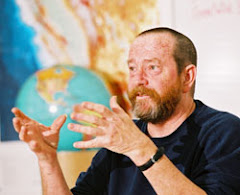


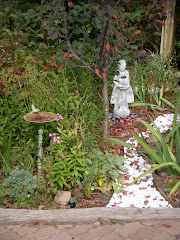

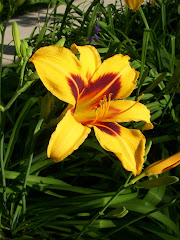


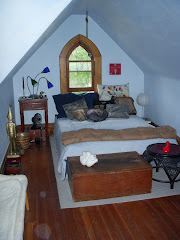


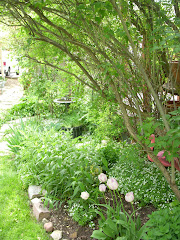
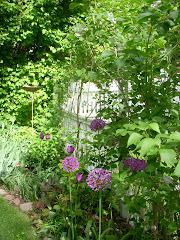
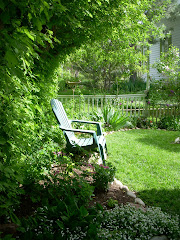
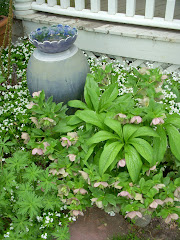


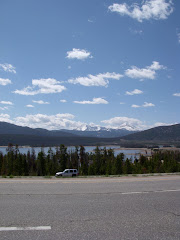
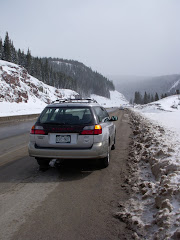


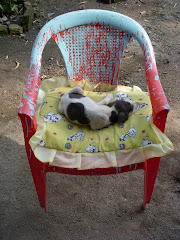




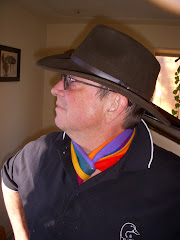
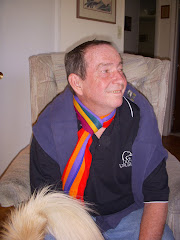
+003.JPG)
+001.JPG)
+006.JPG)
+007.JPG)