Goodness,
it's been a while since I posted to this CenterDoug Blog; I've been doing all my posting in CenterDoug's Obama Blog on www.my.barackobama.com, instead, because I've become a true Obamaniac! I've pulled myself out of retirement by declaring myself on an "Obama Vacation For the Nation" until after Vote Day 2008, and I've been hard at it for at least 8 hours a day, filled with working at Obama HQ, Glenwood Springs; Voter Registrations drives up at CMC and in a local grocery store; manning phonebanks for Obama; and spending at least 4 hours a day researching the current political news and blogging away like a campesino, making a difference. I've pretty much imagined myself a strategist and friend of the candidate, his campaign, and his character, all of which are impeccably honorable. So, the work has been, for me, anyway, and I trust that it'll empower both me and the rest of the world in the future.
I haven't been this fired up for a candidate since 1976 and Jimmy Carter. I gained an insight on my own motivations, as well: in past elections, I used my vote primarily to keep greater scoundrels from winning than the ones I voted for; this time, I'll be voting for a man I believe in, for changes that certainly need to happen. It's made all the difference in my attitude towards America, and I thank Barack Obama for his gift to me of Hope.
Gracias, CenterDoug
Wednesday, October 8, 2008


Saturday, October 4, 2008
Pardon Me, But ....!
I know, I know, I know!
It used to be the case that, at least in Colorado, mention of politics and religion in polite society was considered almost a "social-class offense," but not any more. Everywhere I go, people are talking the election and the race, and, surprisingly, most of the party talk is for Obama. I feel the 60 million strong group of Americans known as the "Cultural Creatives" have found a partisan home for the first time since the Sixties. I am a "Cultural Creative" ( Paul Ray, The Cultural Creatives) Certainly my life as an Independent for thirty years has come to an end this summer when I changed my registration to Democrat, after 30 years of being "Unaffiliated," because, basically, back, then, I tuned out politics to focus on my students in an apolitical way.
I feel as if I've come home, somehow. In the 70's, I carried a sign down and up Grand Avenue in Glenwood Springs, on Vote Day, 1976, urging people to remember to vote: this looked at the time in this very Western town (then) as a somewhat anarchist personal statement that no one could deny, but it was practically terroristic to be carrying a sign.
Now, I'm looking at Michael Moore's emails and wondering how 400 families at the top of the rich spectrum own more than the next 100 million citizens down the ladder--even though most all of them own property in this Valley--and I have to wonder. That figure sounds suspiciously like the percentage of "billionaire" aristocrats in the British national makeup in the eighteenth century, and I thought we had revolted against the concentration of wealth in a few back in 1776. Maybe I'm wrong, but I see many parallels between the plight of the disappearing Middle Class in America and the Colonists who founded our Republic.
But I am writing about the Cultural Creatives: if Sarah Palin can just ignore the questions of the moderator in a national televised debate, I guess I can return to focus in my blog, to strike some sort of universal balance.
Cultural Creatives are, 60 million American adults strong, almost all for Global Citizenship, second only on their ladder of values to Oneness with the Universe. When one places that "global-ness" so highly, everything else has to change, down below: partisanship is so many words; "national" means the place I live for, not die for; the national economy looks most like the tool that drives a third of the world's population to live in abject poverty and seasonal starvation.
Cultural Creatives work to live in the Now, and anyone looking for "our" vote better give up running on the "What I voted for" line: too many great Senators have voted against a great bill because some yahoo Senator has amended a pork barrel add-on to it, to use those numbers. Cultural Creatives look into the eyes of the candidate, and then know for sure.
They come from every angle of the American spectrum, from Colorado MamasforObama to a Listserv for Colorado accountants, but the defining character point is love of the planet and our place in it. How many readers out there realize that a third of the American adults in America place the sanctity of the world higher than the health of the American economy? Yikes!
No one even remembers Nicaragua, a chic topic in 1980, but completely forgotten now. It is as if the mouths of starving peasants, crushed by American might, mean nothing. I beg to differ: the result of our foreign policy has impoverished that sovereign state, and, even though the country is bending over backwards, it's still considered a "terrorist" state by the State Department, which, God Bless them, lives in the 1950's. One of the primary reasons why so many Independents have shifted to the Obama and Democratic columns, cultural creatives, mostly, is due to the fact that the Federal line simply doesn't wash with the cultural creatives' experiential take on real conditions in the countries who serve our needs for sugar, tobacco, tea, coffee and bananas. So many Americans have actually been there that the "line don't wash," anymore.
Is anyone listening to global citizens? I'd suggest that the background of Barack Obama as a multicultural citizen of the world is arms above any of his opponents. Peasants are citizens of the world, too. Vote Obama, 2008.
Gracias, CenterDoug
It used to be the case that, at least in Colorado, mention of politics and religion in polite society was considered almost a "social-class offense," but not any more. Everywhere I go, people are talking the election and the race, and, surprisingly, most of the party talk is for Obama. I feel the 60 million strong group of Americans known as the "Cultural Creatives" have found a partisan home for the first time since the Sixties. I am a "Cultural Creative" ( Paul Ray, The Cultural Creatives) Certainly my life as an Independent for thirty years has come to an end this summer when I changed my registration to Democrat, after 30 years of being "Unaffiliated," because, basically, back, then, I tuned out politics to focus on my students in an apolitical way.
I feel as if I've come home, somehow. In the 70's, I carried a sign down and up Grand Avenue in Glenwood Springs, on Vote Day, 1976, urging people to remember to vote: this looked at the time in this very Western town (then) as a somewhat anarchist personal statement that no one could deny, but it was practically terroristic to be carrying a sign.
Now, I'm looking at Michael Moore's emails and wondering how 400 families at the top of the rich spectrum own more than the next 100 million citizens down the ladder--even though most all of them own property in this Valley--and I have to wonder. That figure sounds suspiciously like the percentage of "billionaire" aristocrats in the British national makeup in the eighteenth century, and I thought we had revolted against the concentration of wealth in a few back in 1776. Maybe I'm wrong, but I see many parallels between the plight of the disappearing Middle Class in America and the Colonists who founded our Republic.
But I am writing about the Cultural Creatives: if Sarah Palin can just ignore the questions of the moderator in a national televised debate, I guess I can return to focus in my blog, to strike some sort of universal balance.
Cultural Creatives are, 60 million American adults strong, almost all for Global Citizenship, second only on their ladder of values to Oneness with the Universe. When one places that "global-ness" so highly, everything else has to change, down below: partisanship is so many words; "national" means the place I live for, not die for; the national economy looks most like the tool that drives a third of the world's population to live in abject poverty and seasonal starvation.
Cultural Creatives work to live in the Now, and anyone looking for "our" vote better give up running on the "What I voted for" line: too many great Senators have voted against a great bill because some yahoo Senator has amended a pork barrel add-on to it, to use those numbers. Cultural Creatives look into the eyes of the candidate, and then know for sure.
They come from every angle of the American spectrum, from Colorado MamasforObama to a Listserv for Colorado accountants, but the defining character point is love of the planet and our place in it. How many readers out there realize that a third of the American adults in America place the sanctity of the world higher than the health of the American economy? Yikes!
No one even remembers Nicaragua, a chic topic in 1980, but completely forgotten now. It is as if the mouths of starving peasants, crushed by American might, mean nothing. I beg to differ: the result of our foreign policy has impoverished that sovereign state, and, even though the country is bending over backwards, it's still considered a "terrorist" state by the State Department, which, God Bless them, lives in the 1950's. One of the primary reasons why so many Independents have shifted to the Obama and Democratic columns, cultural creatives, mostly, is due to the fact that the Federal line simply doesn't wash with the cultural creatives' experiential take on real conditions in the countries who serve our needs for sugar, tobacco, tea, coffee and bananas. So many Americans have actually been there that the "line don't wash," anymore.
Is anyone listening to global citizens? I'd suggest that the background of Barack Obama as a multicultural citizen of the world is arms above any of his opponents. Peasants are citizens of the world, too. Vote Obama, 2008.
Gracias, CenterDoug
Letter to Obama #10: Democracy's Been Served, Gracias!
Dear Barack Obama and Gentleman Joe Biden:
I’m writing to suggest that yesterday, October 2, 2008, the day of the Biden/Palin Debate, was a great day for the American Democracy: it’s been a while since I felt this way, not since three weeks ago, looking in Obama’s eyes in Grand Junction, Colorado. Since then, I’ve added to the lustre of my meaningful life by becoming a volunteer—a specialist in New Voter Registrations at the local college-- for Camp Obama here in Glenwood Springs, God’s Country in Colorado, a state that is more ready to vote for change than I’ve ever seen it, in 32 years, since I emigrated from New Jersey, a rebel Democrat, in the 70’s.
This state can be won in November. The groundswell is only starting. The levels of grassroots activism here in the Roaring Fork Valley, hub of traffic from Vail to Aspen, a multicultural conglomeration of very successful people with international and local pretensions, have risen dramatically, on both sides. People are stopping each other on the street to make sure a friend or acquaintance is registered to vote! Do you appreciate how different that climate is, from past elections here? In 1976, a rabid Jimmy Carter supporter, newly enlivened as a Democrat from the celebration of the Bicentennial, I walked the streets of Glenwood with a “Vote, Please!” sign on Vote Day. This was almost surely terroristic behavior in Glenwood at the time, not much visited by people carrying signs. But, heck! Who could deny the mutuality of my message? Still, it was aberrant behavior in this very (pre-1990) Western town.
Oh, yes, things have changed. Things are changing. To succeed in change times is a) to recognize that change is occurring; some things, like the historic migration of humanity northward around the world or the sanctity of partnership, regardless of sexual choice, are inevitable in that change—One needs a good nose for the Now--and b) to remain constant in our actions to the set of ethical principles we preach. Walk the Talk. Evolution of the change will occur as it will, and we will be stalwart to claim or at least mark it Obama by our belief in egalitarianism. I feel more people than ever are willing to claim that “all people are created equal.” Democracy is more afloat in the US than I’ve seen it since the ‘60’s, given, of course, that I live on the fringe, in cosmic-hoo-hoo-rainbow-land!
Barack Obama! Joe Biden! Thank you. People are coming up to me to thank me for helping them register to vote! I feel like Mr. Democracy for sitting myself down at 63 and asking everyone who goes by, “Are you ready for the election? Will you get a Mail-in Ballot for November?" For a simple-minded senior like me, this is amazing, simple work, but the gains!
I’ve been out of activism, though always a voter, since 1980, when I moved from the Dems to the Unaffiliated Column. A couple weeks ago, I moved back to the Democratic Party, because I must participate in the caucuses again. Your stance on grassroots activism has given every “cultural creative” (Paul Ray, The Cultural Creatives) a point to focus on, a voice to espouse, a way to balance all the opposites, a leader for the dance with change afoot, in a foot-to-the-ground, natural way. The bottom is rising. Hooray for you! I’ve had a hand in registering 81 New Voters to the system in three weeks! Despite 42 meaningful years in the American public educational system, this feat, right now, most brings me to tears of pride. As a baby-boomer on the leading edge (birth-1944) for thirty years, I’m grateful for the reconnection to the American principles of grassroots activism that started this country, before there was partisanship, before there was spin, when there were only revolutionary sharpshooters picking off Redcoats from behind the trees of Virginia--terroristas--seeking self-resolution.
My DAR great-great-aunts, descended from religious victims out of England in 1687, and my Celtic coal miner paternal forebears, looking for food in 1910, and the Sandinistas I've bonded with in Nicaragua, would all be happy to see my progress as a citizen. Maybe it’s time to let rhetoric be rhetoric, and let actions speak for truth.
I registered 27 New Voters for America yesterday. Democracy was served. And, Barack, I thank you for it.
Gracias, CenterDoug
Tuesday, September 30, 2008
Building a Lasting Path
Good Grief!
This latest dire crisis on Wall Street, coupled with news from Nicaragua of serious hunger when I have no money to send, has had me spinning since last Thursday: my diet has crashed for the moment on a tidal wave of comfort food and wine. This is not good, for me or for America or Nicaragua, so yesterday, while Congress made it clear that our current President should head for his pasture full of gooey cow pies, I decided to take myself in hand and "Do Something" that would last. My favorite cut on the new Eagles album, Long Road Out of Eden (2007), "Do Something" hits me deeply in my contemplative-activist's heart: the Obama campaign, so intent on pushing grassroots activism for change, might consider adopting it as its theme song; it surely gets me out of my rocking chair.
Of course, then I had to decide what to do. That "lasting" bit made the choosing complicated, since, philosophically, I know that nothing lasts but change. Even philosophers, though, need roots in the soil of "doing," so I amended my quest to "building something that would last a reasonably long time"; that expanded my possibilities and established some limits, as well.
It eliminated the first task that popped up--That I should butter-fry up a mess of Velveeta Cheese and Mayonnaise sandwiches (a comfort food holdover from the 50's, absolutely taboo-poison in my current life style, except maybe when the Market's crashing). I instantly eliminated that because those grilled cheeses wouldn't've lasted ten minutes before being stuffed down my gullet, slathered with catsup, never mind the guilt. Nix on that.
What else in my current life had potential for reasonably long-lasting creation? I could work on my novel, Safehavens, or post on one of my blogs or write a poem or paint a picture, all things of notable longevity, but, after even thinking of all that toasty Velveeta, I figured I should move my body in this enterprise as well. Move it, move it, move it . . . BINGO!
The gravel path through the Wild Garden! I'd put it off for a month: Now, I'd do it. I'd plot it, edge it with small rock to hold the grass cloth down, then pour pails of gravel, one by one, over the cloth: a lasting path through the wilderness, designed to add a tension with its man-made-order, midst the wild grasses, willows, weeds, and the whispering of Cattle Creek. BINGO! While my world looked majorly awry on Monday morning, I'd mindfully focus on building a path.
Brilliant.
Of course it might've been better if my work had sent food or money to Northern Nicaragua, but there's only so much I can do. I work in a artist's garden in exchange for pieces of her art. I did decide, though, that I'd make this path-building a walking meditation, a prayer for the poor of Teote.
And that's how it turned out, as each pail of gravel travelled down a slope to the garden, step-by-step, to cover another square foot of path. The work moved very sweetly: Cattle Creek gurgled and bubbled and sighed as the path slowly lengthened; I felt a minute-by-minute release of angst and terror and guilt, and a calm delight replaced my worry for my south-of-the-border family. The woes of the Stock Market disappeared. When a rock proved unmoveable, I wound the path around it, creating an island in the thin river of stone.
By quitting time, the gravel path was done and I felt whole and holy. My friend was in bliss. That charmed path had made the garden! Perhaps, as many claim, my working prayer had blessed the larger world as well. I felt like a monk in a Kyoto Temple garden, making order out of chaos with a rake, and, in truth, the ego has no place in successful design. Would that the economic planners in Congress had had that kind of focus, yesterday! Maybe they should all start building solid gravel pathways across the utter wildness of the White House lawn?
This latest dire crisis on Wall Street, coupled with news from Nicaragua of serious hunger when I have no money to send, has had me spinning since last Thursday: my diet has crashed for the moment on a tidal wave of comfort food and wine. This is not good, for me or for America or Nicaragua, so yesterday, while Congress made it clear that our current President should head for his pasture full of gooey cow pies, I decided to take myself in hand and "Do Something" that would last. My favorite cut on the new Eagles album, Long Road Out of Eden (2007), "Do Something" hits me deeply in my contemplative-activist's heart: the Obama campaign, so intent on pushing grassroots activism for change, might consider adopting it as its theme song; it surely gets me out of my rocking chair.
Of course, then I had to decide what to do. That "lasting" bit made the choosing complicated, since, philosophically, I know that nothing lasts but change. Even philosophers, though, need roots in the soil of "doing," so I amended my quest to "building something that would last a reasonably long time"; that expanded my possibilities and established some limits, as well.
It eliminated the first task that popped up--That I should butter-fry up a mess of Velveeta Cheese and Mayonnaise sandwiches (a comfort food holdover from the 50's, absolutely taboo-poison in my current life style, except maybe when the Market's crashing). I instantly eliminated that because those grilled cheeses wouldn't've lasted ten minutes before being stuffed down my gullet, slathered with catsup, never mind the guilt. Nix on that.
What else in my current life had potential for reasonably long-lasting creation? I could work on my novel, Safehavens, or post on one of my blogs or write a poem or paint a picture, all things of notable longevity, but, after even thinking of all that toasty Velveeta, I figured I should move my body in this enterprise as well. Move it, move it, move it . . . BINGO!
The gravel path through the Wild Garden! I'd put it off for a month: Now, I'd do it. I'd plot it, edge it with small rock to hold the grass cloth down, then pour pails of gravel, one by one, over the cloth: a lasting path through the wilderness, designed to add a tension with its man-made-order, midst the wild grasses, willows, weeds, and the whispering of Cattle Creek. BINGO! While my world looked majorly awry on Monday morning, I'd mindfully focus on building a path.
Brilliant.
Of course it might've been better if my work had sent food or money to Northern Nicaragua, but there's only so much I can do. I work in a artist's garden in exchange for pieces of her art. I did decide, though, that I'd make this path-building a walking meditation, a prayer for the poor of Teote.
And that's how it turned out, as each pail of gravel travelled down a slope to the garden, step-by-step, to cover another square foot of path. The work moved very sweetly: Cattle Creek gurgled and bubbled and sighed as the path slowly lengthened; I felt a minute-by-minute release of angst and terror and guilt, and a calm delight replaced my worry for my south-of-the-border family. The woes of the Stock Market disappeared. When a rock proved unmoveable, I wound the path around it, creating an island in the thin river of stone.
By quitting time, the gravel path was done and I felt whole and holy. My friend was in bliss. That charmed path had made the garden! Perhaps, as many claim, my working prayer had blessed the larger world as well. I felt like a monk in a Kyoto Temple garden, making order out of chaos with a rake, and, in truth, the ego has no place in successful design. Would that the economic planners in Congress had had that kind of focus, yesterday! Maybe they should all start building solid gravel pathways across the utter wildness of the White House lawn?
Saturday, September 27, 2008
Letters to Ba'rama #4: Notes on the Frst Debate
Fresh from my Neighborhood Debate Party, Senator Obama, and full of fresher admiration for your presence on the national scene, I’m once again struck by the focus and clarity you bring to your hopeful message of change. Looking comparatively at the evening’s presentations is meaningful.
First, while you defended and clarified your record as needed, you spent much more time being “present moment” than your opponent, who relies on his past and never quite “gets” the Now. In fact, he avoids it, falling backwards to attitudes of American-Empire-Thinking that better belong in memory than in the mind of a possible President in 2008. Since most of our domestic and foreign problems stem from this elitist and ethnocentric mindset, it’s refreshing to hear you calling for open and honest dialogue without pre-conditions and “American” agendas. “My way or the Highway” thinking cannot work in the Now, when all ways are united in human mutuality.
Second, Ba’rama, you clearly are the better listener, both to Jim Lehrer and to McCain; your responses speak of experience with dialogue, compromise as needed, and building agreement, whereas your opponent often seemed more focused on presenting a canned message that skirted the issue at hand. The fact that you agreed with McC and complimented him when possible shows your maturity in argumentation and interpersonal relations. You also looked at him when you spoke to him, whereas his eyes never left the camera.
Third, sir, you spoke more often from fact and specific evidence than from “pleasing” generalities and “Beltway Bubble Babble.” It marks you as a critical thinker who respects clarity, particularly in your repeated interjection, “Let’s be clear.” Since we as a nation have been in a fog of purposeful untruth for many years, your forceful call for clarity marks you as a voice of truth in a murky wasteland of distortion and spin. It’s refreshing. Perhaps the other side still thinks the American Public cannot think, but I beg to differ. We can, we are, and it’s changed everything. More and more often, the emerging “American Public” is not looking for someone to “lead” it but, rather, for someone to collaborate with it for mutual benefit and respectful progress.
Fourth, my friend, while both of you hedged a bit from answering Lehrer’s excellent question about how your Presidencies would be changed by the current economic crisis—not surprising, since it’s too unclear to make predictions—I was happy to hear you state for the record your tax plans, since the other side’s ads have been full of shameful lies and spin that needed refuting. I was particularly happy when you called out his distancing from the GOP economic line, something he’s been supporting since Reagan.
Finally, then, I feel you won the debate because you spoke, with honesty, clarity, courage and reasonable passion, directly to us, from the Now, as a statesman and a world leader, whereas your opponent spoke as a seasoned politician whose bubble is likely to burst.
Gracias, CenterDoug
Friday, September 26, 2008
Too political? What's that?
To readers of this blog, I'd like to suggest, if you're interested in my political opinions, that you check out my blog for supporters of Barack Obama at . While I'll still be posting my "Letters to Ba'rama" series here, the blog post to the other blog will be more partisan than these. I do seek balance in all of my words.
Gracias, CenterDoug
Gracias, CenterDoug
Walking the Talk: Letters to Ba'rama #3
Right on, Ba'Rama!
Standing on your democratic principles to insist on this debate tonight has empowered your campaign and made your opponent sound, again, like a manipulative Bush clone, for all of us to see. This consistent pattern of terrorizing the American public in order to further rob the American Dream by denying debate or inclusion on issues which affect each of us, in the name of expedient, patriotic need (Ha!) has gotten so heavy-handed, it's backfiring, even if we are in a crisis. The Old Guard has called "Wolf" too many times, in order to get its way. Standing firm, as you are, in the face of this latest "direness," on the inclusion of the American Public to the conversation is the way I dream my next President to act.
Please stand firm on insisting for accountability in this bailout debacle. I don't mind so much the Govt. coming to the rescue if it's really necessary to stabilize things, but I think the taxpayers should get paid back with interest, perhaps by these firms accepting increased taxation to lower the national debt. Maybe that's too simplistic? However, that's been the system's stance with me: why should these firms be treated any differently, when it's, after all, "my money"?
I'm off to a Neighborhood Debate Party tonight, and will wear my Obama/Biden T-shirt even more proudly after your stance these last few days. I'm bringing the salad, though I really can't afford it this week. Right now it feels like a stance of hope to have food to share. I pray for your success tonight and our financial futures.
Gracias, CenterDoug
Standing on your democratic principles to insist on this debate tonight has empowered your campaign and made your opponent sound, again, like a manipulative Bush clone, for all of us to see. This consistent pattern of terrorizing the American public in order to further rob the American Dream by denying debate or inclusion on issues which affect each of us, in the name of expedient, patriotic need (Ha!) has gotten so heavy-handed, it's backfiring, even if we are in a crisis. The Old Guard has called "Wolf" too many times, in order to get its way. Standing firm, as you are, in the face of this latest "direness," on the inclusion of the American Public to the conversation is the way I dream my next President to act.
Please stand firm on insisting for accountability in this bailout debacle. I don't mind so much the Govt. coming to the rescue if it's really necessary to stabilize things, but I think the taxpayers should get paid back with interest, perhaps by these firms accepting increased taxation to lower the national debt. Maybe that's too simplistic? However, that's been the system's stance with me: why should these firms be treated any differently, when it's, after all, "my money"?
I'm off to a Neighborhood Debate Party tonight, and will wear my Obama/Biden T-shirt even more proudly after your stance these last few days. I'm bringing the salad, though I really can't afford it this week. Right now it feels like a stance of hope to have food to share. I pray for your success tonight and our financial futures.
Gracias, CenterDoug
Sunday, September 21, 2008
Letters to Ba'rama #2 "At the Bottom, There's Hope"
OK, Ba’rama. In the last post I appreciated your empathy, your ability, face-to-face, to share with the one in front of you—Amazing! I will likely never stop being impressed by that, that moment in time when we faced each other, when I felt empowered by the soul of Senator Barack Obama at the Cross Orchards in Grand Junction, Colorado.
Thus, today, I’ll appreciate your ability to inspire the grass-roots to empower themselves, a trait I took on years ago in my own writing classrooms as a community college professor. I had the choice to a) empower myself from the knowledge that my students had to pass my required class or b) to go one step further in the recognition that my knowledge of persuasion tactics would make them more powerful citizens. I chose b). The very concept of empowering others to empower themselves makes everything different: that ‘s what you’re doing, and I pray you will be successful on a national scale in the way I’ve been successful (so they say) in my classroom. What could be more meaningful?
Empowerment of others is an art. A gift. An ultimate blessing.
How fortunate that you're where you have the opportunity!
Your understanding of the Constitution and The Bill of Rights as living documents that grow as we grow thrills me, as I’ve not seen much adherence to constitutional law in the last eight years. The Constitution's been used and abused, and that offends me. I’m told I’m “totally out of the box” since my experiences in the Third World have matured me; though not an outlaw, I am a celebrator of our freedoms to license, within our need for restraint as community members. I believe the government has overstepped its function when it interferes in the lives of consenting adults, making personal choices. Responsibly-retired, debt-free, and politically active, I’m deeply empowered by most pages of your book, The Audacity of Hope, even though almost every one requires me to stop and think about your statements: what could be a more telling statement about the quality of a book?
Hooray for you!
So, now, all of a sudden, the other side is spinning its own grassroots appeal, its “soccer-mom-dom,” but, please: Let’s get real. No one on the other side has walked in anybody else’s shoes in years, unless they were stolen from some nameless taxpayer's closet. That side is about money and politics and spin, from the top down. Our stance is equality, about building bridges between the bottom of the beanstalk and the top, fostering mutuality [see my post "Whirling in Teote"]. The non-working “trickle-down” effect has crippled our economy and our international relations. Please, Ba'rama, stay honest, balanced, empathic and empowering!
I’ve been coming from the bottom of the ladder for a long time, as an advocate for the peasants of Nicaragua, deeply abused by American-Empire-Thinking for almost 30 years, and still not addressed realistically by the State Department; your stance for the empowerment of the American citizen in this election empowers both me and “them,” the people we've hurt intrinsically. I call upon you to remember that the “bottom” of our American society is still higher on the opportunity ladder of the world’s people, that the real bottom is the third of the world’s population, sweating for almost ‘nothing,’ living in the perpetual darkness of economic oppression endemic in the peasantry. 90% of Nicaragua is starving right this minute because of our global economic policies.That is a real ‘bottom-line.’ It's no wonder to me that Central American Peasantry has chosen to force the US to live up to its claim to be the Land of Opportunity. Our multinational corporations have been robbing them blind for a century, with government assistance.
So, while I appreciate your ability to empower each of us Americans, I also enjoin you to empower that third of the world’s population. It might help for us to own up to the World Court's verdict against the United States for conducting a "terrorist" operation against the sovereign state of Nicaragua in the Contra War of '80's and to make reparations for that horror, as the Court and most world opinion suggests we do, to show our willingness to walk a more mature and balanced line in the world, to retrieve our tarnished honor. We created that international law which supports that World Court decision: it's way past time to expect of ourselves what we demand of our "enemies." That would be really Real!
When you say that you can’t change Washington alone, but we will, individually, make the difference because we change ourselves, you speak truth and American principles we have almost forgotten: lasting change for truth comes from our personal changes, not just the rules the Senate makes or the continual ignorance of consequences displayed at the highest levels of our power and economic structures. Good Lord, I’m happy to hear a Washington Senator calling for consequences that lift up "Main Street" rather than Wall Street greedheads who've lost their balance and do not deserve a bailout without serious recompense to the North and Central Americans who depend on their supposedly responsible actions for sustenance! At the bottom, there's still hope for the top.
Gracias, CenterDoug
Wednesday, September 17, 2008
Letters to Ba'rama #1 "Empathy"
Dear Ba'rama:
I have a penchant for nicknames, especially if the name I’m nicking is frequently in my mind and conversations: I guess I’ve a lazy-brained tongue as well as a fondness for terms of endearment. So, Senator Obama, I started calling you "Ba’rama" about three weeks ago. Then, last Monday in Grand Junction, your introducer tripped a bit (It’s OK!) and called you "Ba’rama." Click. As, at the time, I was also mulling over a series of letters to you on my blog, CenterDoug <http://www.centerdoug.blogspot.com/> “Letters to Ba’rama” clicked in as the title, so, there we are.
You handled that little trip of the tongue very graciously: it’s a trait of yours I appreciate, and one, hopefully, I’ll return. I’ve decided, in fact, to appreciate, in the next posts, our common ground, and in this #1 Letter to Ba’rama, your empathy, for I know it’s real: I saw it in your eyes in Grand Junction; it touched me with a frisson of kindred spirit as we shook hands. I complimented The Audacity of Hope. You thanked me kindly. I’d wear a Michael Jackson glove to shield the hand that shook the hand of the next President of the United States, but I’m not into outward display or the future—very tricky ground--and, anyway, the connection felt more “human-to-human” and present moment than hero worship. Empathy touches deeper than that.
You recognize that most of our lives are struggles "of warring impulses, a twining of darkness and light," an awareness that leads to balance and understanding, good leadership qualities. If you can walk in others’ shoes as you did last Monday, you’ve got it made, Ba’rama, whatever happens in November, and I’m very grateful for it. Last night I registered 45 new voters and tonight I'm on the Obama phone bank, to show my appreciation and my longings for a changed America.
Gracias, CD
I have a penchant for nicknames, especially if the name I’m nicking is frequently in my mind and conversations: I guess I’ve a lazy-brained tongue as well as a fondness for terms of endearment. So, Senator Obama, I started calling you "Ba’rama" about three weeks ago. Then, last Monday in Grand Junction, your introducer tripped a bit (It’s OK!) and called you "Ba’rama." Click. As, at the time, I was also mulling over a series of letters to you on my blog, CenterDoug <http://www.centerdoug.blogspot.com/> “Letters to Ba’rama” clicked in as the title, so, there we are.
You handled that little trip of the tongue very graciously: it’s a trait of yours I appreciate, and one, hopefully, I’ll return. I’ve decided, in fact, to appreciate, in the next posts, our common ground, and in this #1 Letter to Ba’rama, your empathy, for I know it’s real: I saw it in your eyes in Grand Junction; it touched me with a frisson of kindred spirit as we shook hands. I complimented The Audacity of Hope. You thanked me kindly. I’d wear a Michael Jackson glove to shield the hand that shook the hand of the next President of the United States, but I’m not into outward display or the future—very tricky ground--and, anyway, the connection felt more “human-to-human” and present moment than hero worship. Empathy touches deeper than that.
You recognize that most of our lives are struggles "of warring impulses, a twining of darkness and light," an awareness that leads to balance and understanding, good leadership qualities. If you can walk in others’ shoes as you did last Monday, you’ve got it made, Ba’rama, whatever happens in November, and I’m very grateful for it. Last night I registered 45 new voters and tonight I'm on the Obama phone bank, to show my appreciation and my longings for a changed America.
Gracias, CD
Thursday, September 11, 2008
Sleeping Spaces
[CenterDoug Notes: I felt the shorter version of this piece (last post) needed expansion for clarity, so I did that. I like it better. CD]
[For The Glenwood Post Independent]
“Well, there it is, again,” I growled to my housemate, film-producer Tex, while punching off my cell phone. “Another nasty comment against Latinos “cramming too many peons” into their houses, “all sleeping together, I suppose!” Ay, Chihuahua! Sometimes I cringe at how we cling to cross-cultural stereotypes, while forgetting to look at our own kinky culture in the mirror. Ethnocentricity. I’ve been working on that most of my life. Raised in New Jersey in the bigoted 1950’s, I’ve had to dissolve the boxes of prejudice that surrounded me in my youth. Instead, I’ve opted to see everyone in me and me in everyone else, a better balance, and one that leads to gratitude. How I wish I’d known that unity when I still had pimples!
“Sleeping space” in the US and Nicaragua is an ethnocentric case in point. The stereotype above is very often not true among North American Latinos: most of the Hispanic families I know in the Valley are small and occupy single family dwellings, most with several bedrooms. The family swells in size and communal sleeping space only on special family occasions and holy days. There are teeming exceptions, as well. In the peasant economy of Northern Nicaragua, though, four generations of a family may share the sleeping areas of their house together, wearing the clothes of the previous day through the night as their only privacy, changed in the morning. In the States, in contrast, most people crave separate sleeping space, unless, of course, they’re “sleeping” with significant others. It’s a cultural difference from which I’ve grown.
In that chat on the porch in Glenwood Springs—I share a 3-story rental house full of private and communal spaces with three other single adults—Tex said, “I need a place to close out the world, for solitude. A while back, in Utah, I lived in an unheated space in the basement all winter rather than share a warm master bedroom suite upstairs, even with my best friend: I need privacy, not a dorm. But I like this housemate thing, as long as you’re all respecting the privacy of my bedroom.”
“Me, too. I’m an introvert and need perhaps too much quiet time, but I can choose it here or not. Even in my marriages,” I remarked, “I’d want a door I could close, usually my home office. Privacy’s an entitlement here, but not in nightly Nicaragua, where most people don’t want it.”
“Huh?”
“Listen, Tex. When I first visited Teote in 1993, in the house of my now-adopted peasant family, the Betancos, they gave me their only single room. The eight family members slept in the other cuarto, in hammocks, because I also had the only bed. ‘Norteamericanos,’ they believed, ‘need space,’ whereas Nicaragüense ‘prefer company,’ especially when asleep. I felt guilty, being such a space hog. They assured me they wouldn’t want it otherwise. ‘Too many desperados out there to sleep alone,’ they said. ‘How can you do it?’”
“They’re stereotyping us?” Tex asked. “Hmm. Some of that might be Hispanic hospitality. But we also shift beds to accommodate guests here. That’s the same.”
“Sure. However, we move back to private spaces when they’re gone. Cultural diversity’s at work, Tex, and it starts very early. Most everyone here was raised from birth separated from their parents; in Nicaragua, hardly any mother would sleep apart from her babies, and, as the children grow, they just shift from their parents’ bed to that of the kids, in the same room. No one’s ever heard of a playpen or a crib or a nursery, much less infant daycare. 24/7, family’s holding the baby, until she’s walking and talking, and, then, there’s a family hand to hold. Many Nicaraguans live their entire lives in the home they were raised in, bringing in spouses and kids as they come along.”
“That’s pretty different. Maybe we have varying definitions of ‘family’?”
“Absolutely. ‘Family’ means security in Nicaragua. Here, most try to escape, to establish separate living quarters, at least, as soon as we can, to be independent. As another friend said to me, “most people resent their families!” That’s too generalized, of course. Maybe, though, because we stress self-sufficiency, while Nicaraguans push family solidarity, the cultures divide, even in our sleeping patterns: yet, both are valuable, cultural-survival models and both are learned behaviors.
We can learn from each other to grow beyond that division, to be both independent and One. In 1993, when I first slept with the Betancos, I grabbed for their “extended-ness,” a feeling I’d lost in the years since I left New Jersey in the early seventies. I adopted a new set of parents, eight brothers and sisters, and 49 nieces and nephews, to fill that empty space. Now that I’ve built a private suite at my sister’s house, I choose to leave the adjoining door ajar at night, in case someone, seeing my light on, needs a talk or a cuddle. Since the rafters of the house are open so the bats can gobble the mosquitos, all hear any sound, anyway, so why not? Privacy’s an ‘inside’ thing down there. And, up here, I’m a more open Dad and Pop-Pop, building family, since I’ve shared my space with campesinos, deep in the heart of Nicaragua.”
Gracias, CenterDoug
[For The Glenwood Post Independent]
“Well, there it is, again,” I growled to my housemate, film-producer Tex, while punching off my cell phone. “Another nasty comment against Latinos “cramming too many peons” into their houses, “all sleeping together, I suppose!” Ay, Chihuahua! Sometimes I cringe at how we cling to cross-cultural stereotypes, while forgetting to look at our own kinky culture in the mirror. Ethnocentricity. I’ve been working on that most of my life. Raised in New Jersey in the bigoted 1950’s, I’ve had to dissolve the boxes of prejudice that surrounded me in my youth. Instead, I’ve opted to see everyone in me and me in everyone else, a better balance, and one that leads to gratitude. How I wish I’d known that unity when I still had pimples!
“Sleeping space” in the US and Nicaragua is an ethnocentric case in point. The stereotype above is very often not true among North American Latinos: most of the Hispanic families I know in the Valley are small and occupy single family dwellings, most with several bedrooms. The family swells in size and communal sleeping space only on special family occasions and holy days. There are teeming exceptions, as well. In the peasant economy of Northern Nicaragua, though, four generations of a family may share the sleeping areas of their house together, wearing the clothes of the previous day through the night as their only privacy, changed in the morning. In the States, in contrast, most people crave separate sleeping space, unless, of course, they’re “sleeping” with significant others. It’s a cultural difference from which I’ve grown.
In that chat on the porch in Glenwood Springs—I share a 3-story rental house full of private and communal spaces with three other single adults—Tex said, “I need a place to close out the world, for solitude. A while back, in Utah, I lived in an unheated space in the basement all winter rather than share a warm master bedroom suite upstairs, even with my best friend: I need privacy, not a dorm. But I like this housemate thing, as long as you’re all respecting the privacy of my bedroom.”
“Me, too. I’m an introvert and need perhaps too much quiet time, but I can choose it here or not. Even in my marriages,” I remarked, “I’d want a door I could close, usually my home office. Privacy’s an entitlement here, but not in nightly Nicaragua, where most people don’t want it.”
“Huh?”
“Listen, Tex. When I first visited Teote in 1993, in the house of my now-adopted peasant family, the Betancos, they gave me their only single room. The eight family members slept in the other cuarto, in hammocks, because I also had the only bed. ‘Norteamericanos,’ they believed, ‘need space,’ whereas Nicaragüense ‘prefer company,’ especially when asleep. I felt guilty, being such a space hog. They assured me they wouldn’t want it otherwise. ‘Too many desperados out there to sleep alone,’ they said. ‘How can you do it?’”
“They’re stereotyping us?” Tex asked. “Hmm. Some of that might be Hispanic hospitality. But we also shift beds to accommodate guests here. That’s the same.”
“Sure. However, we move back to private spaces when they’re gone. Cultural diversity’s at work, Tex, and it starts very early. Most everyone here was raised from birth separated from their parents; in Nicaragua, hardly any mother would sleep apart from her babies, and, as the children grow, they just shift from their parents’ bed to that of the kids, in the same room. No one’s ever heard of a playpen or a crib or a nursery, much less infant daycare. 24/7, family’s holding the baby, until she’s walking and talking, and, then, there’s a family hand to hold. Many Nicaraguans live their entire lives in the home they were raised in, bringing in spouses and kids as they come along.”
“That’s pretty different. Maybe we have varying definitions of ‘family’?”
“Absolutely. ‘Family’ means security in Nicaragua. Here, most try to escape, to establish separate living quarters, at least, as soon as we can, to be independent. As another friend said to me, “most people resent their families!” That’s too generalized, of course. Maybe, though, because we stress self-sufficiency, while Nicaraguans push family solidarity, the cultures divide, even in our sleeping patterns: yet, both are valuable, cultural-survival models and both are learned behaviors.
We can learn from each other to grow beyond that division, to be both independent and One. In 1993, when I first slept with the Betancos, I grabbed for their “extended-ness,” a feeling I’d lost in the years since I left New Jersey in the early seventies. I adopted a new set of parents, eight brothers and sisters, and 49 nieces and nephews, to fill that empty space. Now that I’ve built a private suite at my sister’s house, I choose to leave the adjoining door ajar at night, in case someone, seeing my light on, needs a talk or a cuddle. Since the rafters of the house are open so the bats can gobble the mosquitos, all hear any sound, anyway, so why not? Privacy’s an ‘inside’ thing down there. And, up here, I’m a more open Dad and Pop-Pop, building family, since I’ve shared my space with campesinos, deep in the heart of Nicaragua.”
Gracias, CenterDoug
Saturday, September 6, 2008
Sleeping Space
FROM HERE TO THERE
“Sleeping Space” ©Doug Evans Betanco 2008
For La Tribuna (463 words)
In a chat on the porch in Glenwood Springs—I share a 3-story rental house full of private and communal spaces with three other single adults—Tex, one of my housemates, said, “I’ve chosen a room of my own for years. I need a place to close out the world, for solitude. A while back, in Utah, I lived in an unheated space in the basement all winter rather than share a warm master bedroom suite upstairs, even with my best friend: I need privacy, not a dorm.”
“Me, too. Even in my marriages,” I remarked, “I’d want a door I could close. Privacy’s an entitlement here, but not in nightly Nicaragua, where most people don’t want it.”
“Huh?”
“Listen, Tex. When I first visited Teote in 1993, in the house of my now-adopted peasant family, the Betancos, they gave me their only single room. The eight family members slept in the other cuarto, in hammocks, because I also had the only bed. Hosts in our Sister City were required to provide Brigadistas with privacy. Some couldn’t: their casas held no separate sleeping room. ‘Norteamericanos,’ they understood, ‘need space,’ whereas Nicaragüense ‘prefer company,’ especially when asleep.”
“In the fifteen years I’ve travelled south, I’ve always had a separate room, without asking. When I moved to my sister’s house south of town, near the campo, they’d built a space inside their sala with black plastic walls. Everyone else slept two to a bed in the other room, as usual, and they assured me they wouldn’t want it otherwise. ‘Too many ghosts in the night to sleep alone,’ they said. ‘How can you do it?’”
“Some of that,” said Ted, “might be hospitality. We shift beds to accommodate guests here, too.”
“Cultural diversity is working, as well, and it starts very early. Most everyone I know up here was raised from birth separated from their parents, even from other siblings; in Nicaragua, hardly any mother would sleep apart from her babies, and, as the children grow, they just shift from Mom’s bed to that of the kids, in the same room as their parents. No one’s ever heard of a playpen or a crib or a nursery, much less infant daycare. 24/7, family is holding the baby, until she’s walking and talking, and, then, there’s a family hand to hold.”
“That’s pretty different.”
“Maybe it’s because we stress self-sufficiency, while they push family solidarity: both are valuable, cultural-survival models. We can learn from each other to be independent and One: now, while I’ve built a private suite at my sister’s house, I leave the adjoining door ajar at night, just in case someone needs a talk or a cuddle. Up here, I’m a more open Dad and Pop-Pop, since I’ve shared my space with campesinos, deep in the heart of Nicaragua.”
“Sleeping Space” ©Doug Evans Betanco 2008
For La Tribuna (463 words)
In a chat on the porch in Glenwood Springs—I share a 3-story rental house full of private and communal spaces with three other single adults—Tex, one of my housemates, said, “I’ve chosen a room of my own for years. I need a place to close out the world, for solitude. A while back, in Utah, I lived in an unheated space in the basement all winter rather than share a warm master bedroom suite upstairs, even with my best friend: I need privacy, not a dorm.”
“Me, too. Even in my marriages,” I remarked, “I’d want a door I could close. Privacy’s an entitlement here, but not in nightly Nicaragua, where most people don’t want it.”
“Huh?”
“Listen, Tex. When I first visited Teote in 1993, in the house of my now-adopted peasant family, the Betancos, they gave me their only single room. The eight family members slept in the other cuarto, in hammocks, because I also had the only bed. Hosts in our Sister City were required to provide Brigadistas with privacy. Some couldn’t: their casas held no separate sleeping room. ‘Norteamericanos,’ they understood, ‘need space,’ whereas Nicaragüense ‘prefer company,’ especially when asleep.”
“In the fifteen years I’ve travelled south, I’ve always had a separate room, without asking. When I moved to my sister’s house south of town, near the campo, they’d built a space inside their sala with black plastic walls. Everyone else slept two to a bed in the other room, as usual, and they assured me they wouldn’t want it otherwise. ‘Too many ghosts in the night to sleep alone,’ they said. ‘How can you do it?’”
“Some of that,” said Ted, “might be hospitality. We shift beds to accommodate guests here, too.”
“Cultural diversity is working, as well, and it starts very early. Most everyone I know up here was raised from birth separated from their parents, even from other siblings; in Nicaragua, hardly any mother would sleep apart from her babies, and, as the children grow, they just shift from Mom’s bed to that of the kids, in the same room as their parents. No one’s ever heard of a playpen or a crib or a nursery, much less infant daycare. 24/7, family is holding the baby, until she’s walking and talking, and, then, there’s a family hand to hold.”
“That’s pretty different.”
“Maybe it’s because we stress self-sufficiency, while they push family solidarity: both are valuable, cultural-survival models. We can learn from each other to be independent and One: now, while I’ve built a private suite at my sister’s house, I leave the adjoining door ajar at night, just in case someone needs a talk or a cuddle. Up here, I’m a more open Dad and Pop-Pop, since I’ve shared my space with campesinos, deep in the heart of Nicaragua.”
Wednesday, August 6, 2008
That One Angry Guy Is Me
It's been sixteen days since my brief experience with the young Nordic man punching the River Path Sign in Two Rivers Park (See past three posts for the story). Since then, I've invested myself wholely in that moment, for it feels very numinous and uncanny to me, good signs that further investigation would be meaningful. I've wondered if, with my pronounced ability to imagine, I might have invented the episode whole cloth, but, no, it really happened, down to his rant as I remember it and the sheen of his blondness. It's led me to much wondering, pondering, reflecting and to so many pertinent questions.
Why was I the only witness?
Where did my courage in that moment to confront him come from?
Why was the river striped red and blue that Sunday on the RiverPath?
What does the sign really say?
When do "real" and metaphoric life merge like those rivers into a greater swell?
I went back to the Sign that evening: I not only wanted to check the damage but also to see if the sign had anything on it that could inspire That One Angry Guy to his punching. It's heavily covered with thick plastic, very scratched but still transparent enough to see what's underneath. There's a nice map of the RiverPath's winding trail along the Roaring Fork up to 23rd Street (these signs need updating) and a brief history of the Path's process to creation, the matching grants and private donations, a list of the Town Council members: nothing I could see except its innocence. While I know his actions mystify me and I don't choose to share his mind, I can imagine that perhaps he saw in the sign "our" desire to please ourselves when others in the world are in agonies of starvation and peasant-decimation? But, that is me. I don't know, but he clearly took the sign to represent "You People!" and needed to punch "us" from his own agony.
Perhaps it was just for me, seeking a story and always seeking "me" and my fit with the world?
At any rate, as I do very often with my experiences in our world of the senses, I decided to take on the "real" experience as if I had dreamed it, caught it as a dream, journalled it, then worked to interpret it, in Jungian fashion. This allows me to see the interaction as a mirror of what is also happening in my psyche, because, in dream analysis, all the participants and the dreamer are parts of the dreamer's psychic makeup. In other words, That One Angry Guy and Walking Doug are parts of myself, interacting, for meaning, insight, potential change.
There is one angry young man in me, as I discovered this year in Nicaragua, and I've been working to transform that anger into greater gratitude, as a result of other dream work that has inspired me to continue building my life towards empowering a culture of gratitude, in my home, former school culture, and now, in my writing. That work is the psychic context of the dream. Other dreamwork has also invested my summer with delight, as I'm actively actualizing my strong and youthful masculine energy after years of denying "him" because it usually got me in trouble. I've been riding on a Harley and being bold in a new way. Another part of the context.
The meeting of these parts of myself occurs north of the river walk bridge, resulting in a short conversation. We talk, but I'm dismissed, as if irrelevant. The young man stays there briefly, punching the sign, then disappears, while the elder crosses over to the Glenwood (home) side of the bridge over the unifying waters of two rivers, one silty, the other clear, on his pathway. He says he feels "free."
In dream analysis lingo, when my young masculine meets my wiser mature masculine, in this dream, what seems to matter most is that the mature "me" is listening to the younger, asking the pertinent questions, looking for connection from this wild angry guy, also seeking connection, even in his anger. The "Wise Walker" is building bridges of communication, a metaphor I have empowered with great significance in my life. The fact that the real experience happened on the north side of a bridge leading to home, south of the bridge, is so numinous to me that I gape. I am a bridge-builder, and I am "bridging" in this waking dream. There's an attempt at dialogue, but the young man is wary, and chooses to return to his physical way of releasing his anger. Wise Walker Douglas departs, gratefully in one piece, rather empowered by his boldness, but not before receiving a new central metaphor from the mingling of the rivers' colors under the bridge, ultimately a yin-yang symbol of the balancing of the tension of the opposites that keeps me living in the Now, empowered.
The symbol is saying to me that the angry red energy of the young male and the clear blue compassion of the elder are one and the same energy in the bigger picture; they are bridged by the power of the heart (the bridge, a gift of Glenwood's people) seeking connection over the tumultuous river of emotions (water in dreams is the emotional nature). One side expresses It in hate; the other side expresses It in love. It is It; the heart bridge unifies them: Listening to my young masculine in compassion rather than in neglect, ego, fear or denial, can empower me affirmatively. Listening to "him" will make him less angry, work towards a more harmonious future.
Affirmation, to me, is not pollyanna positivism: it's the pull of the current of the river merging, the positive and the negative working together to empower. Honestly, who really knows what "POSITIVE" and "NEGATIVE" are? It's all culturally-laden value judgement.
What counts next is what I've learned from this surreal experience, to express myself henceforth from that affirmative space in between, calling on the young male energy to further the thrust of love and gratitude in my life, apt collaborators. I will honor that teenage masculine energy, and this will energize this old "me." What I do with that unified energy will change my life in a very affirmative way, from my choosing to further my integration by listening to the disordered (though none-less-valued) chaos of my "young masculine."
My life is simply extraordinary.
Gracias, CenterDoug, free in the current that pushes the rivers to mingle.
Why was I the only witness?
Where did my courage in that moment to confront him come from?
Why was the river striped red and blue that Sunday on the RiverPath?
What does the sign really say?
When do "real" and metaphoric life merge like those rivers into a greater swell?
I went back to the Sign that evening: I not only wanted to check the damage but also to see if the sign had anything on it that could inspire That One Angry Guy to his punching. It's heavily covered with thick plastic, very scratched but still transparent enough to see what's underneath. There's a nice map of the RiverPath's winding trail along the Roaring Fork up to 23rd Street (these signs need updating) and a brief history of the Path's process to creation, the matching grants and private donations, a list of the Town Council members: nothing I could see except its innocence. While I know his actions mystify me and I don't choose to share his mind, I can imagine that perhaps he saw in the sign "our" desire to please ourselves when others in the world are in agonies of starvation and peasant-decimation? But, that is me. I don't know, but he clearly took the sign to represent "You People!" and needed to punch "us" from his own agony.
Perhaps it was just for me, seeking a story and always seeking "me" and my fit with the world?
At any rate, as I do very often with my experiences in our world of the senses, I decided to take on the "real" experience as if I had dreamed it, caught it as a dream, journalled it, then worked to interpret it, in Jungian fashion. This allows me to see the interaction as a mirror of what is also happening in my psyche, because, in dream analysis, all the participants and the dreamer are parts of the dreamer's psychic makeup. In other words, That One Angry Guy and Walking Doug are parts of myself, interacting, for meaning, insight, potential change.
There is one angry young man in me, as I discovered this year in Nicaragua, and I've been working to transform that anger into greater gratitude, as a result of other dream work that has inspired me to continue building my life towards empowering a culture of gratitude, in my home, former school culture, and now, in my writing. That work is the psychic context of the dream. Other dreamwork has also invested my summer with delight, as I'm actively actualizing my strong and youthful masculine energy after years of denying "him" because it usually got me in trouble. I've been riding on a Harley and being bold in a new way. Another part of the context.
The meeting of these parts of myself occurs north of the river walk bridge, resulting in a short conversation. We talk, but I'm dismissed, as if irrelevant. The young man stays there briefly, punching the sign, then disappears, while the elder crosses over to the Glenwood (home) side of the bridge over the unifying waters of two rivers, one silty, the other clear, on his pathway. He says he feels "free."
In dream analysis lingo, when my young masculine meets my wiser mature masculine, in this dream, what seems to matter most is that the mature "me" is listening to the younger, asking the pertinent questions, looking for connection from this wild angry guy, also seeking connection, even in his anger. The "Wise Walker" is building bridges of communication, a metaphor I have empowered with great significance in my life. The fact that the real experience happened on the north side of a bridge leading to home, south of the bridge, is so numinous to me that I gape. I am a bridge-builder, and I am "bridging" in this waking dream. There's an attempt at dialogue, but the young man is wary, and chooses to return to his physical way of releasing his anger. Wise Walker Douglas departs, gratefully in one piece, rather empowered by his boldness, but not before receiving a new central metaphor from the mingling of the rivers' colors under the bridge, ultimately a yin-yang symbol of the balancing of the tension of the opposites that keeps me living in the Now, empowered.
The symbol is saying to me that the angry red energy of the young male and the clear blue compassion of the elder are one and the same energy in the bigger picture; they are bridged by the power of the heart (the bridge, a gift of Glenwood's people) seeking connection over the tumultuous river of emotions (water in dreams is the emotional nature). One side expresses It in hate; the other side expresses It in love. It is It; the heart bridge unifies them: Listening to my young masculine in compassion rather than in neglect, ego, fear or denial, can empower me affirmatively. Listening to "him" will make him less angry, work towards a more harmonious future.
Affirmation, to me, is not pollyanna positivism: it's the pull of the current of the river merging, the positive and the negative working together to empower. Honestly, who really knows what "POSITIVE" and "NEGATIVE" are? It's all culturally-laden value judgement.
What counts next is what I've learned from this surreal experience, to express myself henceforth from that affirmative space in between, calling on the young male energy to further the thrust of love and gratitude in my life, apt collaborators. I will honor that teenage masculine energy, and this will energize this old "me." What I do with that unified energy will change my life in a very affirmative way, from my choosing to further my integration by listening to the disordered (though none-less-valued) chaos of my "young masculine."
My life is simply extraordinary.
Gracias, CenterDoug, free in the current that pushes the rivers to mingle.
Friday, August 1, 2008
Analysis of "Punching Signs"
I had an experience with a very mysterious and punchy stranger, one who moved and revolted me, at once. I'd intentionally set out riverward to find a subject to write from, on my walk, because my earlier excursions there had led to my gold standard, "Pushing the River." He happened along, punching the River Walk sign (see the past two posts for clarity). Perhaps I wouldn't've been so curious, had I already a story for publication? But I was ravenous for one, and intentionally set, so thank God, it happened.
Over a week, the story unfolded to me. But, I must be honest, for every day of that week, I thought the piece was done and sent it on to my editors, unprofessionally. Now, I feel so foolish for bothering them with my undone stuff, but, at the time, each time, I felt "done," finished, ready to start another. But, NO!
It took my getting to focus with that particular experience--such a long time coming--and it did not happen to me until I remembered the sight of the river beribonned in blue and red to the west for at least half a mile. Zonk! Focus. The yin and the yang, together as one in the river, and me standing over the confluence, observing, right in the flow in the middle. Bonk. How long it takes for me to get it! I flow, midstream, now, "free in the current that pushes the rivers to mingle."
It came together, then, in a way that allowed me to edit the piece from that wondrous metaphor, and to wonder at how long it had taken me to get it before. That One Angry Guy and I, flowing in the river together. I've decided he was an "angel in disguise," just for me. I'd been processing earlier the shift from being angry about the state of the poor in Nicaragua in my writing to being grateful for all my experiences, and Mr. "Angry Guy" showed up. modeling exactly what I did not want to become myself, then disappeared. How strange?! How wonderful, for me. What I've learned! It would probably have happened anyway, but dealing with it in writing has pushed the river.
Gracias, CenterDoug
Over a week, the story unfolded to me. But, I must be honest, for every day of that week, I thought the piece was done and sent it on to my editors, unprofessionally. Now, I feel so foolish for bothering them with my undone stuff, but, at the time, each time, I felt "done," finished, ready to start another. But, NO!
It took my getting to focus with that particular experience--such a long time coming--and it did not happen to me until I remembered the sight of the river beribonned in blue and red to the west for at least half a mile. Zonk! Focus. The yin and the yang, together as one in the river, and me standing over the confluence, observing, right in the flow in the middle. Bonk. How long it takes for me to get it! I flow, midstream, now, "free in the current that pushes the rivers to mingle."
It came together, then, in a way that allowed me to edit the piece from that wondrous metaphor, and to wonder at how long it had taken me to get it before. That One Angry Guy and I, flowing in the river together. I've decided he was an "angel in disguise," just for me. I'd been processing earlier the shift from being angry about the state of the poor in Nicaragua in my writing to being grateful for all my experiences, and Mr. "Angry Guy" showed up. modeling exactly what I did not want to become myself, then disappeared. How strange?! How wonderful, for me. What I've learned! It would probably have happened anyway, but dealing with it in writing has pushed the river.
Gracias, CenterDoug
Thursday, July 31, 2008
Writing Lesson
[CenterDoug Notes: This post and the last one, both entitled "Punching Signs," constitute for me a perfect lesson in the art of revision, as well, the fine art of achieving focus in a piece. These last two drafts--14 in all--of this piece, will be published in Spanish and English newspapers here in Glenwood Springs in August. I learned the value of cutting fairly late in the process of "Signs," but it's something I've known forever; writing for publication sometimes forces the practice, and I say "Hooray!" I'd sent the 805 word final draft to my editors, one of whom asked me to consider concising it because of space concerns in his paper (Gracias, Luis Polar, editor of La Tribuna: CenterDoug). Did you know that translation from English to Spanish usually adds 10-15% more words to the length of an essay, mainly due to more formalized constructions, such as possessives and contractions: "He's a horse's ass" becomes "He is the ass of his horse." Count the words). Espanol uses no apostrophes. Endlessly interesting.
Anyway, I took up the challenge and went at the piece thinking I'd eliminate what distracted the reader's focus from the focus of the story, really, living in the now, in the uniting flow past division. I whacked out humor; needless adjectives; detail, that did not serve the focus; and concised some expressions from five words to three. Darned if I don't love the shorter piece (669 words) the most. What I took out is not "wrong" writing, just "long and unfocused" writing: the result is a more impactful and direct fable that sings instead of playing "too many notes" to serve its intention. My friend Wewer wrote that the abridgement really worked, because she "didn't miss anything." I think it's gone from a strange little ramble to a power walk, through excision.
I gained a new rule for revision: once the piece has told me what I'm focusing on, I need to go once more to it and concise it to that focus. I'd figured out the conceptual level and movement of the piece by draft 10, including the incredible shot of the river divided in half by the red silt carried by the Colorado at the confluence with the Roaring Fork into two ribbons of blue and red water, flowing as a river. However, I was in love with the humor, the somewhat ironic moments between That One Angry Guy and me, which truly happened. In fact, hard to believe, I left out several really choice elements of his list, as truly offensive. I loved having Arnold Schwarzeneggar in the piece, and many of the "signs" of non-verbal communication I'd added as a subtext. But, they weren't adding "communication in the compassionate moment" to the essay, and that's what I finally figured out I was writing about. Ay-Yi-Yi, a complex process, writing is.
In this post I've highlighted new additions only. In the longer draft below in this blog, I've highlighted what I took out. It's a study in intentionality, tone and focus in writing, a good place for observant students of writing to gain much. CD]
Punching Signs
(669 words) (highlighted words and phrases added during the abridgement, for tighter coherence)
On my walk past the crystalline Roaring Fork, along the muddy Colorado, I chugged out of Two Rivers Park near the walk-bridge and witnessed a fit, Nordic guy, maybe 25, punching the River Trail sign. He whacked it five times, hard, head-butted it once, grunting “You people!” with every jab. Then, he looked up, stabbed his finger at me and said, “You people are too weak to fight for your country!”
I said, “What?” and stepped towards him, hand cocked over my ear, curious.
“You stupid people can’t see your country’s being stolen, much less fight for it!” His blazing eyes bored directly into mine. They seemed clear.
“I beg to differ,” I said, calmly. “Millions of Americans fight peaceably for our nation and the world, every single day, each in his or her own . . . .”
He cut me off, in English so well-enunciated I knew it was his second language: “Your government’s a pack of thieves, rich on the poor world’s blood! Your country’s a snakepit of unbelievers, coloreds of every shade, illegal aliens, Spanish-only speakers! Drug fiends, perverts, liberationist bitches, peaceniks . . . ."
“Wait a minute! Pacificists aren’t weak; women and Hispanics . . . .”
But he kept on, unhearing: “. . . rapists, wasters, corporate crooks, lawyers, bean counters, the dregs of the world! Men who think they’re women, and women who think they’re men: Abominations, stains on God’s Living People! They’re stealing you blind! We’ll pull them all down!”
“Who’s ‘We’?” I wondered. He'd taken a prophet’s stance, but what a hateful pulpit! Since he’d stopped bashing the sign, though, I dove back in: “What you say might be true, but, why are you so angry, my friend? What hurt burns within you?” His eyes grew wary. “You’ve sand-blasted all I know,” I whispered. “I don’t believe we deserve it! Why abuse us and wallop our sign? It’s your park, too.”
He didn't want to listen. “You people ruin the sacred-holy World of God, old man, and don’t even care!”
He’d got my blood up—“Old man,” indeed!--so I breathed it down. “It takes all kinds of tolerant people to make up “my” America,” I said, “and most of us care, very deeply.”
I reckon I’ve got feistier in my sixties. Earlier, I might’ve scuttled past long before this, but anger, now, cries for help. However, he broke our eye contact, shook his blond hair furiously, and returned to battering the sign.
I’d been dismissed.
Sometimes, it’s wise to read the signs: I backed away, with a “Namaste” and a “Peace” and a “God bless you,” and bridged the river, musing. “Why’d I witness that, I wonder? Such projection! Does he know he’s so fearful, to spew such hate? What a list! What a Nazi! Should I call the police?” When I looked back over my shoulder, he’d vanished.
I forged on with my calorie burn. “He’s hurt himself worse than that sign. He’s flooded with pain, yet, even in his special madness,” I marveled, “I never felt he’d physically hurt me. He sought a connection, but, then, he withdrew.” The two rivers joined, west of the bridge, a confluence of clarity and silt, blue and red ribbons in a greater river.
While a happy stream of humanity flows by me daily in this global playground, That One Angry Guy just won’t float away. Since most of us are on his list, it’s wise to know that some among us do revile us, beyond reason or cause. It’s the human condition, a part of the river. Hating them back makes the world even hotter, burning us double. Rather, I’d choose my heart-waters for protection. Peaceful ways bring healing change by leading me to pools of compassion, my greatest strength, changing me.
While sign punching still mystifies me, one thing I know, gratefully, in my core: I sure wouldn’t choose to get stuck in the ooze of “his” Nightmare America; I’d rather be flowing midstream in “mine,” free in the current that pushes the rivers to mingle.
[CenterDoug Notes: I've chosen to publish this draft in both papers.]
Anyway, I took up the challenge and went at the piece thinking I'd eliminate what distracted the reader's focus from the focus of the story, really, living in the now, in the uniting flow past division. I whacked out humor; needless adjectives; detail, that did not serve the focus; and concised some expressions from five words to three. Darned if I don't love the shorter piece (669 words) the most. What I took out is not "wrong" writing, just "long and unfocused" writing: the result is a more impactful and direct fable that sings instead of playing "too many notes" to serve its intention. My friend Wewer wrote that the abridgement really worked, because she "didn't miss anything." I think it's gone from a strange little ramble to a power walk, through excision.
I gained a new rule for revision: once the piece has told me what I'm focusing on, I need to go once more to it and concise it to that focus. I'd figured out the conceptual level and movement of the piece by draft 10, including the incredible shot of the river divided in half by the red silt carried by the Colorado at the confluence with the Roaring Fork into two ribbons of blue and red water, flowing as a river. However, I was in love with the humor, the somewhat ironic moments between That One Angry Guy and me, which truly happened. In fact, hard to believe, I left out several really choice elements of his list, as truly offensive. I loved having Arnold Schwarzeneggar in the piece, and many of the "signs" of non-verbal communication I'd added as a subtext. But, they weren't adding "communication in the compassionate moment" to the essay, and that's what I finally figured out I was writing about. Ay-Yi-Yi, a complex process, writing is.
In this post I've highlighted new additions only. In the longer draft below in this blog, I've highlighted what I took out. It's a study in intentionality, tone and focus in writing, a good place for observant students of writing to gain much. CD]
Punching Signs
(669 words) (highlighted words and phrases added during the abridgement, for tighter coherence)
On my walk past the crystalline Roaring Fork, along the muddy Colorado, I chugged out of Two Rivers Park near the walk-bridge and witnessed a fit, Nordic guy, maybe 25, punching the River Trail sign. He whacked it five times, hard, head-butted it once, grunting “You people!” with every jab. Then, he looked up, stabbed his finger at me and said, “You people are too weak to fight for your country!”
I said, “What?” and stepped towards him, hand cocked over my ear, curious.
“You stupid people can’t see your country’s being stolen, much less fight for it!” His blazing eyes bored directly into mine. They seemed clear.
“I beg to differ,” I said, calmly. “Millions of Americans fight peaceably for our nation and the world, every single day, each in his or her own . . . .”
He cut me off, in English so well-enunciated I knew it was his second language: “Your government’s a pack of thieves, rich on the poor world’s blood! Your country’s a snakepit of unbelievers, coloreds of every shade, illegal aliens, Spanish-only speakers! Drug fiends, perverts, liberationist bitches, peaceniks . . . ."
“Wait a minute! Pacificists aren’t weak; women and Hispanics . . . .”
But he kept on, unhearing: “. . . rapists, wasters, corporate crooks, lawyers, bean counters, the dregs of the world! Men who think they’re women, and women who think they’re men: Abominations, stains on God’s Living People! They’re stealing you blind! We’ll pull them all down!”
“Who’s ‘We’?” I wondered. He'd taken a prophet’s stance, but what a hateful pulpit! Since he’d stopped bashing the sign, though, I dove back in: “What you say might be true, but, why are you so angry, my friend? What hurt burns within you?” His eyes grew wary. “You’ve sand-blasted all I know,” I whispered. “I don’t believe we deserve it! Why abuse us and wallop our sign? It’s your park, too.”
He didn't want to listen. “You people ruin the sacred-holy World of God, old man, and don’t even care!”
He’d got my blood up—“Old man,” indeed!--so I breathed it down. “It takes all kinds of tolerant people to make up “my” America,” I said, “and most of us care, very deeply.”
I reckon I’ve got feistier in my sixties. Earlier, I might’ve scuttled past long before this, but anger, now, cries for help. However, he broke our eye contact, shook his blond hair furiously, and returned to battering the sign.
I’d been dismissed.
Sometimes, it’s wise to read the signs: I backed away, with a “Namaste” and a “Peace” and a “God bless you,” and bridged the river, musing. “Why’d I witness that, I wonder? Such projection! Does he know he’s so fearful, to spew such hate? What a list! What a Nazi! Should I call the police?” When I looked back over my shoulder, he’d vanished.
I forged on with my calorie burn. “He’s hurt himself worse than that sign. He’s flooded with pain, yet, even in his special madness,” I marveled, “I never felt he’d physically hurt me. He sought a connection, but, then, he withdrew.” The two rivers joined, west of the bridge, a confluence of clarity and silt, blue and red ribbons in a greater river.
While a happy stream of humanity flows by me daily in this global playground, That One Angry Guy just won’t float away. Since most of us are on his list, it’s wise to know that some among us do revile us, beyond reason or cause. It’s the human condition, a part of the river. Hating them back makes the world even hotter, burning us double. Rather, I’d choose my heart-waters for protection. Peaceful ways bring healing change by leading me to pools of compassion, my greatest strength, changing me.
While sign punching still mystifies me, one thing I know, gratefully, in my core: I sure wouldn’t choose to get stuck in the ooze of “his” Nightmare America; I’d rather be flowing midstream in “mine,” free in the current that pushes the rivers to mingle.
[CenterDoug Notes: I've chosen to publish this draft in both papers.]
Monday, July 28, 2008
Punching Signs
On my walk past the crystalline Roaring Fork, the muddy Colorado, dreaming about my bonded Nicaraguan family, I chugged out of Two Rivers Park near the walk-bridge and witnessed a fit, Nordic guy with a backpack, punching the map on the River Trail sign like The Terminator, with vigor. He whacked it at least five times, head-butted once, grunting “You people!” with every jab. Then he looked up, noticed I’d turned to watch after passing, stabbed his finger at me and said, “You people are too weak to fight for your own country!”
I said, “What?” and took a step towards him, hand cocked over my ear.
“You stupid people can’t see your country’s being stolen, much less fight for it!” His blazing eyes bored directly into mine. They seemed very clear.
“I beg to differ,” I said, calmly. “Millions of Americans fight peaceably for our nation and the world, every single day, each in his or her own . . . .”
He cut me off, in English so well-enunciated I knew it was his second language, gained from schooling in another country: “Your government’s a pack of lying thieves, rich on the poor world’s blood! Your country’s a snakepit of unbelievers, coloreds of every shade, illegal aliens, Spanish-only speakers! Drug fiends, perverts, peaceniks . . . . “
“Wait, just a gosh-darn minute! Pacificists are not weak, and I . . . .”
But he just kept on, unhearing: “. . . rapists, indolent wasters, vile corporate crooks, lawyers, bean counters, the dregs of the world so honored here! So many men who think they’re women, and women who think they’re men: Abominations! Dens of vipers, zombies, stains on the world of God’s Living People! We’ll pull them all down!”
“Who’s ‘We’?” I wondered. He'd taken the stance of a prophet, but what a hateful pulpit! Since he’d stopped bashing the sign, though, and hadn’t punched me instead, I figured we’d made some progress in dialogue, so I dove back in: “Some of what you say might be true, but, really, why are you so angry, friend? What hurt burns within you? You’ve sand-blasted all I know, friend, including me,” I whispered to his eyes. “I don’t believe we deserve it! On such a clear day, why abuse us and wallop our public sign? It’s your park, too, yours freely.”
He clearly hadn’t heard my questions or didn't want to listen, more likely. “You people ruin the sacred-holy World and Word of God, old man, and don’t even care!”
He’d got my blood up—“Old man,” indeed!--so I breathed it down. “It takes all kinds of tolerant people to make up “my” America,” I said, “and most of us care, very deeply.”
I reckon I’ve got feistier in my sixties, somewhat surprising. In the past I might’ve scuttled past long before this, but anger, now, cries for help. However, he broke our eye contact, shook his blond hair furiously at my apparent weakness, and returned to battering the sign like Schwarzeneggar.
I’d been dismissed.
Sometimes, it’s wise to read the signs: I backed away, with a “Namaste” and a “Peace” and a “Bless you,” turned and bridged the river, bemused. “Why’d I witness that? Such projection! Does he know he’s so fearful, to spew such generalized hate? To point me out as evil, a total stranger? And what a filthy list! From a guest, for God’s sake! What a Nazi! Should I call the police?” When I turned to look back from the end of the bridge, he’d disappeared.
I shook my muddled head, forged on with burning calories. “He’ll hurt himself far worse than that poor sign. He’s flooded with pain, in and out. Yet, even in his special madness,” I marveled, “I never felt he’d physically hurt me. He sought a connection, but, then, he withdrew.” The two rivers joined, west of the bridge, a confluence of clarity and rain-washed silt, two ribbons in a greater river.
While a stream of loving humanity flows by me every day in this global playground, That One Angry Guy and his righteous intolerance just won’t float away. Since most Americans fall somewhere on his list, it’s wise to know that some among us revile us, beyond reason or cause. It’s the human condition, part of the river. Hating them back, fighting fire with our own blowtorches, makes the world even hotter, burning us double. Rather, I’d choose my heart-waters for protection. Peaceful ways bring change by changing me, diving in pools of clear compassion, my greatest strength.
While punching a park sign still mystifies me, one thing I know in my core: I sure wouldn’t choose to get stuck in the ooze of “his” Nightmare America; I’d rather be flowing midstream in “mine,” free in the current that pushes the rivers to mingle.
Gracias, CenterDoug
I said, “What?” and took a step towards him, hand cocked over my ear.
“You stupid people can’t see your country’s being stolen, much less fight for it!” His blazing eyes bored directly into mine. They seemed very clear.
“I beg to differ,” I said, calmly. “Millions of Americans fight peaceably for our nation and the world, every single day, each in his or her own . . . .”
He cut me off, in English so well-enunciated I knew it was his second language, gained from schooling in another country: “Your government’s a pack of lying thieves, rich on the poor world’s blood! Your country’s a snakepit of unbelievers, coloreds of every shade, illegal aliens, Spanish-only speakers! Drug fiends, perverts, peaceniks . . . . “
“Wait, just a gosh-darn minute! Pacificists are not weak, and I . . . .”
But he just kept on, unhearing: “. . . rapists, indolent wasters, vile corporate crooks, lawyers, bean counters, the dregs of the world so honored here! So many men who think they’re women, and women who think they’re men: Abominations! Dens of vipers, zombies, stains on the world of God’s Living People! We’ll pull them all down!”
“Who’s ‘We’?” I wondered. He'd taken the stance of a prophet, but what a hateful pulpit! Since he’d stopped bashing the sign, though, and hadn’t punched me instead, I figured we’d made some progress in dialogue, so I dove back in: “Some of what you say might be true, but, really, why are you so angry, friend? What hurt burns within you? You’ve sand-blasted all I know, friend, including me,” I whispered to his eyes. “I don’t believe we deserve it! On such a clear day, why abuse us and wallop our public sign? It’s your park, too, yours freely.”
He clearly hadn’t heard my questions or didn't want to listen, more likely. “You people ruin the sacred-holy World and Word of God, old man, and don’t even care!”
He’d got my blood up—“Old man,” indeed!--so I breathed it down. “It takes all kinds of tolerant people to make up “my” America,” I said, “and most of us care, very deeply.”
I reckon I’ve got feistier in my sixties, somewhat surprising. In the past I might’ve scuttled past long before this, but anger, now, cries for help. However, he broke our eye contact, shook his blond hair furiously at my apparent weakness, and returned to battering the sign like Schwarzeneggar.
I’d been dismissed.
Sometimes, it’s wise to read the signs: I backed away, with a “Namaste” and a “Peace” and a “Bless you,” turned and bridged the river, bemused. “Why’d I witness that? Such projection! Does he know he’s so fearful, to spew such generalized hate? To point me out as evil, a total stranger? And what a filthy list! From a guest, for God’s sake! What a Nazi! Should I call the police?” When I turned to look back from the end of the bridge, he’d disappeared.
I shook my muddled head, forged on with burning calories. “He’ll hurt himself far worse than that poor sign. He’s flooded with pain, in and out. Yet, even in his special madness,” I marveled, “I never felt he’d physically hurt me. He sought a connection, but, then, he withdrew.” The two rivers joined, west of the bridge, a confluence of clarity and rain-washed silt, two ribbons in a greater river.
While a stream of loving humanity flows by me every day in this global playground, That One Angry Guy and his righteous intolerance just won’t float away. Since most Americans fall somewhere on his list, it’s wise to know that some among us revile us, beyond reason or cause. It’s the human condition, part of the river. Hating them back, fighting fire with our own blowtorches, makes the world even hotter, burning us double. Rather, I’d choose my heart-waters for protection. Peaceful ways bring change by changing me, diving in pools of clear compassion, my greatest strength.
While punching a park sign still mystifies me, one thing I know in my core: I sure wouldn’t choose to get stuck in the ooze of “his” Nightmare America; I’d rather be flowing midstream in “mine,” free in the current that pushes the rivers to mingle.
Gracias, CenterDoug
Subscribe to:
Comments (Atom)


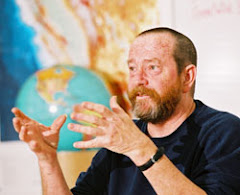


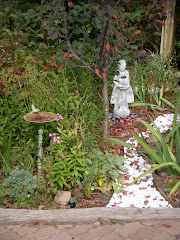
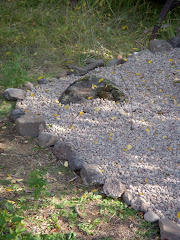





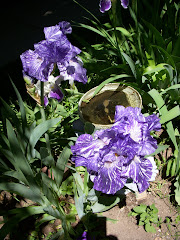
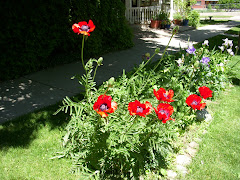
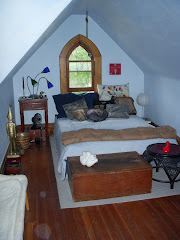


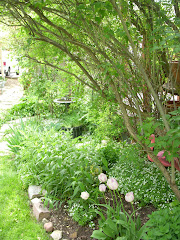
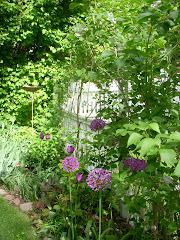
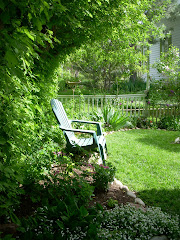



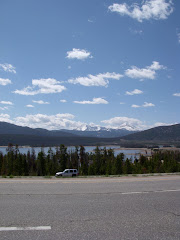
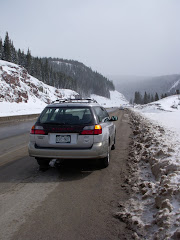






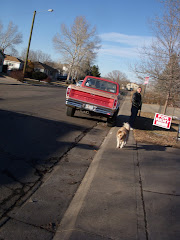
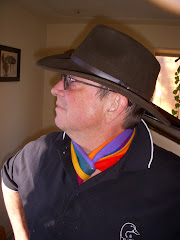
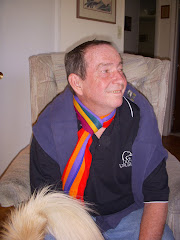
+003.JPG)
+001.JPG)
+006.JPG)
+007.JPG)