I do love my ducks, living ones in Teote, art ones here, and metaphysical ones all over, joying-up existence. I raise them in Nicaragua for fun, for food, for feathers; I collect Duck-Art; I've even been gifting special friends up here with membership to our "Brother/Sisterhood of Ducks," a club of graceful survivors: I love how all these ducks ride waves, weather storms, firmly waddle on land and fly transcendently above it, all in line. I'm a Duck, and darn proud to be. I've earned it.
Not that ducks are always noble: when 4, I climbed then fell into a pen fluttering with big black menacing ducks that didn't like me at all. I came close to losing an eye. "A punishment for being too curious," it was said. Yikes! It was the late 40's. Still, I've understood "pecked-to-death-by-ducks," most of my conscious life. We all have Critics pecking deep inside us, as well. Without? We live in a fractious, judgmental worldliness here: it's much easier to criticize others than to be self-responsible and grow. Good Lordy, I've done my share of pecking! Now, mostly, I’ve given it up as twisty, useless ego projection, and I forgive myself.
Too, my sweet ducks poop day and night, conspicuously. It is great fertilizer, but they tell every other duck about it, every time they do it. Sometimes, in addition, they gobble garden plants to the stems, forcing duck segregation on my Nica land, "Tierra Mia." But, man, I love to see them waddle past my feet with yellow ducklings close behind, so I let a pair of large whites wander, gorging on swarms of hoppers and leaf-cutting ants. "Pato" and "Pata," the duck king and queen of Nicaragua, are Cool Insecticides, with charming and delicious offspring.
On my first trip to Teote, in 1993, there were many synchronicities between the Betancos and me beyond our mutual reverence for the Archangel Michael, a biggie. Similarly "big," mi padre don Ramon raises special ducks out on his farm at Quacamaya [Would an Englishman pronounce this Quack-a-maya? Ha. Kingdom of the Ducks!] "Quack-quack" sings to me: then, it helped the bonding process; now, we eat the best Cumin Duckling, whenever I'm there. Add that Teote's a northern gardener's idea of Paradise, where you push a flowering branch into wet soil, to grow a new tree. Do you get the picture? From the first minute to now, I've been one happy Duck in Nicaragua, even when times were hard, as in 2000, when a machete slasher stalked the town at night, or after Hurricane Mitch killed all livestock on the farm except the ducks. Go, Quackers!
I've about 100 in my Art-Duck Collection plus a few loons since I'm crazy as one, as we all know, or, at least, "way out of the box," as one local businesswoman exclaimed, praising me highly. An odd duck, es cierto. I've got carved wood antiques, usuable decoys, pewter and glass ones, cheap Duck ceramics, rubber duckies and many soapstone quakers from Nicaragua. There's also a red metal windup duck on a tricycle and a cute metal-duckie train, a drake and three ducklings that bobble. One of the best bargain-hunters in Colorado, also a Sister Duck, keeps her eye out for more of Dougie's Duckies.
A while ago, as well, I inherited a major collection of stuffed-animal ducks, covered in every kind of colorful cloth, but I distributed them to the kid Betancos this year, feeling a 63 year-old man with a house full of "Teddy Ducks" was just too eccentric. Characteristically, the kids’ mothers stuffed them pronto into clear plastic bags to protect them from the dust of Teote. “Don’t let the pato de don Douglas get dirty!” they admonished. I’m hoping, though, the kids sneak them out in their hammocks and snuggle tight, calming the terrors of dark Nicaragua, where “wild things” really are. That thought brings a whiff of rosy peace to my own nights, up here.
I've often wondered why I have this obsession, especially given my close call as a child. I could have developed a phobia. Instead, I love them. Go figure. Perhaps it's just the similarity 'twixt "Doug" and "Duck" which grabs me? But, as with all, there must be something deeper. Years ago, a Southern Ute shaman-friend of mine declared the duck my spirit guide, my totem: he gave me a quartz duckling to hold, along with a cross, for protected inspiring while diving in the well of the Creative Unconscious: I’ve found my pearl-diving magnified, as I’m willing to stay down there longer, breathing from within. I carry them as well in my pocket with my cell phone when I venture into bloody Nicaragua. Between my duckling, my Buddha-Belly-Stone and my crucifix, I’ve become a braver soul, more authentic, even here in the heights of Colorado. A mighty "Quack!" can work wonders. [Check out a part of my collection at the top of the photo queue!]
Gracias, CenterDoug
Saturday, June 21, 2008


Reintegrating
I've been in Colorado now for 6 weeks, after 3 months in Nicaragua. I've spent most of that time gardening with a frenzy, writing with a purpose, and playing, playing, playing, like a boy freed from school for the summer. Perhaps retirement is second childhood, but the creaks of age, when I bend over to lift a plant, remind me to stay in the Now. The price of gas here, 4 bucks a gallon, astounds the cheapskate part of me, though I know it's almost ten in Europe. I'm spending far less time in my car, walking far more often. My garret has been transformed to a monk's cell of simplicity (compare accompanying foto with the same view in January, before my trip, at the bottom of the foto column). I had to get to clarity of vision in my own living space, so my guest room has become a storage room of glitzy stuff, art, and process center for a Porch Sale at Palmer House in late July or early August. Check the fotos of my garden in Spring!
Gracias, CenterDoug
Gracias, CenterDoug
Wednesday, June 4, 2008
This Particular Kindness, Part 5
Cuento 5: “Mañanita”
4:25am [Typing, ecstatic]: Marta and Cesar can’t sleep, hear my pacing, and whisper, “Douglas, café?” over the inside wall.
“Agua,” I answer, blow out my light, lock la puerta. My stomach churns from all the café and bile. Flashlight and cup en mi manos, I cross the darkened solar. No luna. I click my foco on.
“Cuento 1” will have to do for the Internet this morning. The rest? Too politically incorrect. I just can’t face the terror. Or bring myself to pray for OHG.
Kíler, the family perro, growls, snorts, starts wagging, his tail thump-thumping my leg. He’s stationed where I used to pee, before mi pichinga. “This dog knows who butters his tortilla,” I snort. Most do, in Nicaragua and in the States, but here, with a difference: understanding “gracias,” they’re grateful for butter, since they almost never get it.
I wait outside the kitchen door, click off the foco, my shoulders slumped with metaphysical defeat. I can’t see a foot in front of me. There’s not a streetlight for miles. Slasher territory, es cierto. On goes the foco. Cesar’s removing la barricada within, their night’s further caution: a lock’s too expensive, since it’d need attaching to a brand new puerta.
I hear Marta light a candela. Her door finally opens. I enter, sit. The barricade goes back up.
"You're sad again, mi hermano." Cesar knows me inside-out. So does Marta. "It's true, es verdad, but I'm happy to be with you, familia." We loll, wiped but smiling, in red plastic sillas, drink each other’s salud, one more time, in the Nica candle’s glow.
"And, to my haunted government, peace, por favor, gracias por todo," I whisper. We nod, wryly, grin, clink our cups.
“Douglas, have you used "Pichinguita," yet?” Cesar laughs at his new coinage.
“She's full,” I reply, on the beat, and once again, los trés are muchachos, giggling under hands, not to wake the niños. Or, sleeping in la sala, just over the wall, my Betanco parents, sighing in the Nicaraguan noche. I gulp mi agua. "Ay, Pichinguita!"
Don Moncho talks in his sleep. “Mi amor,” he murmurs, at almost 80. What a macho!
Palomas coo, flutter in the rafters.
We’re startled by a bolo, roaring out his drunkenness too near, outside on the road: this sets off Kíler, ferocious Chow from Hell en la noche, and dainty vicious Pinta, black and white whippet, who, in eternal round, spark the roosters’ crowing, early, before even a blip of a promising glimmer, yet, in the eastern sky. Marta asks if Cesar’s got his machete. He checks his bota.
She listens quietly. “So many voices, in here, out there.” She sips her café. “Can you hear them en la vienta, Douglas, in the wind? Oh, they cause us no harm, gliding east and west, south and north, a country of whispers. En noche, they sing. Douglas, can you hear?”
“Only the breeze, mi hermana.”
“Douglas,” says Cesar, “they’re the spirits of sleeping campesinos, whispering as we do here, but from their dreams. Common as pichingas, they sing so bravo from their hearts, so hushed now, from pobre to pobrecito.”
“Cesar, mi hermano, what do they say, amigo?”
“Listen, hombre. Just listen.”
A macaw screeches in the kapoks down by the rio Limon.
Palm trees rustle in the dawning swell.
I hear it, though not in the wind, as Marta’d said. Rather, in my breath, the loudest stillness:
"Estoy libre! Estoy libre! Si, si, I am free!”
It leads me to a certain rapture. For one-sweet-endless minuto, everything is right.
"Por favor, la barricada, y gracias, hermanos. I need to get back to my writing." Then, comes a distant ángelus, the bells of welcome to the sun. Ay, Chihuahua, this miracle place! Dawn breaks in Teote, lights the restless heartland of a freer Nicaragua.
4:25am [Typing, ecstatic]: Marta and Cesar can’t sleep, hear my pacing, and whisper, “Douglas, café?” over the inside wall.
“Agua,” I answer, blow out my light, lock la puerta. My stomach churns from all the café and bile. Flashlight and cup en mi manos, I cross the darkened solar. No luna. I click my foco on.
“Cuento 1” will have to do for the Internet this morning. The rest? Too politically incorrect. I just can’t face the terror. Or bring myself to pray for OHG.
Kíler, the family perro, growls, snorts, starts wagging, his tail thump-thumping my leg. He’s stationed where I used to pee, before mi pichinga. “This dog knows who butters his tortilla,” I snort. Most do, in Nicaragua and in the States, but here, with a difference: understanding “gracias,” they’re grateful for butter, since they almost never get it.
I wait outside the kitchen door, click off the foco, my shoulders slumped with metaphysical defeat. I can’t see a foot in front of me. There’s not a streetlight for miles. Slasher territory, es cierto. On goes the foco. Cesar’s removing la barricada within, their night’s further caution: a lock’s too expensive, since it’d need attaching to a brand new puerta.
I hear Marta light a candela. Her door finally opens. I enter, sit. The barricade goes back up.
"You're sad again, mi hermano." Cesar knows me inside-out. So does Marta. "It's true, es verdad, but I'm happy to be with you, familia." We loll, wiped but smiling, in red plastic sillas, drink each other’s salud, one more time, in the Nica candle’s glow.
"And, to my haunted government, peace, por favor, gracias por todo," I whisper. We nod, wryly, grin, clink our cups.
“Douglas, have you used "Pichinguita," yet?” Cesar laughs at his new coinage.
“She's full,” I reply, on the beat, and once again, los trés are muchachos, giggling under hands, not to wake the niños. Or, sleeping in la sala, just over the wall, my Betanco parents, sighing in the Nicaraguan noche. I gulp mi agua. "Ay, Pichinguita!"
Don Moncho talks in his sleep. “Mi amor,” he murmurs, at almost 80. What a macho!
Palomas coo, flutter in the rafters.
We’re startled by a bolo, roaring out his drunkenness too near, outside on the road: this sets off Kíler, ferocious Chow from Hell en la noche, and dainty vicious Pinta, black and white whippet, who, in eternal round, spark the roosters’ crowing, early, before even a blip of a promising glimmer, yet, in the eastern sky. Marta asks if Cesar’s got his machete. He checks his bota.
She listens quietly. “So many voices, in here, out there.” She sips her café. “Can you hear them en la vienta, Douglas, in the wind? Oh, they cause us no harm, gliding east and west, south and north, a country of whispers. En noche, they sing. Douglas, can you hear?”
“Only the breeze, mi hermana.”
“Douglas,” says Cesar, “they’re the spirits of sleeping campesinos, whispering as we do here, but from their dreams. Common as pichingas, they sing so bravo from their hearts, so hushed now, from pobre to pobrecito.”
“Cesar, mi hermano, what do they say, amigo?”
“Listen, hombre. Just listen.”
A macaw screeches in the kapoks down by the rio Limon.
Palm trees rustle in the dawning swell.
I hear it, though not in the wind, as Marta’d said. Rather, in my breath, the loudest stillness:
"Estoy libre! Estoy libre! Si, si, I am free!”
It leads me to a certain rapture. For one-sweet-endless minuto, everything is right.
"Por favor, la barricada, y gracias, hermanos. I need to get back to my writing." Then, comes a distant ángelus, the bells of welcome to the sun. Ay, Chihuahua, this miracle place! Dawn breaks in Teote, lights the restless heartland of a freer Nicaragua.
This Particular Kindness, Part 4
Cuento 4: “Breathlessly-Deranged Heresy!” (841 words)
12:10pm [Typing] Cesar heads for su cama, with a yawn and a “Buenas noches.” I bolt la puerta, smiling, with a crowd of thoughts and mi pichinga. There’s much to do. My fingers peck and hunt, seeking jewels from the dust of Teote.
Cicadas chant, low in the trees.
I’ve lit a candela. Though it brings insectas to my writing table, it appeals to my sense of the romantica, and I need it. I can't get Noam Chomsky's 9/11 writings out of my head. I just reread them, earlier this week. What a truthteller when America needs to hear it most!
1:22am [Typing] The plight of peasantry keeps coming back, a gusano worming into invective against this outhouse hole of peasant decimation and politico chicanery, brought home to where I live with the Sandinista peasants.
It’s hard to write fiction when my intellect is so piqued, and too didactic for a story; yet, unfortunately, I’m a part of this overflowing pichinga! I’m also an active global citizen from the ground up, since I first saw a photo of the Earth from the Moon in the 60’s and fell mystically in love; I resent what modern terrorist states have done, completely beyond my understanding, to my planet and its people. I clearly need to find a way to shake this outrage out!
Ah, mi amigos, forgive me, urina jokes have been cosmically huge here today, with all the locos trying to cheer me up. I must have a big “Triste” sign on my forehead. I’m un viejito with a heart condition and life’s a tragi-cosmic joke, I remember, to keep from charging Arriba on Triunfo, demanding the candidates stifle this breathlessly-deranged heresy of hypocrisy, this “War on Terror,” when the enemy, to the rest of the world, unfortunately, is us.
We’re not supposed to know that in America, though millions do, so keep it fairly hush-hush, por favor.
As an American of conscience, I’m finding it difficult to face my reflection in the mirror in the morning: Todo el mundo thinks we’ve lost our hearts, minds and, even worse, our moral credibility as a nation.
What a wild goose chase we’ve been led on since the atrocity gigantica of 9-ll, when the peasantry here were first to their knees, praying for the victims, in solidarity with the American pobrecitos during their days of peasant terror. Here, there were special prayer services in all the pequenos--small Catholic prayer groups--in town. The padre from Jalapa couldn’t get here for un misa, because, he said, all Jalapa was en la Iglesia, crying and praying in solidarity with the American people. The world became us, for a day, and many days thereafter.
However, it was soon business-as-usual in the Bubble, with a couple hundred thousand Afghani peasants decimated, the rest left neglectfully to starve; then Iraq, mass decimation, while we re-focused our terrified people on chasing down a hateful dingbat like Osama or a filth of a Saddam Hussein, both our former creatures, nonetheless. All that scapegoat behavior, to keep us from looking primero in our own haunted mirror. We demand this of other countries, by international law we ignore when the judgement’s not in our favor.
Loco, total.
If a student came into my office exhibiting OHG’s past behavior, I’d be counseling him to curb his sociopathic tendencies, to balance his checkbook with respect for human dignity. I’d ask him what he really fears and I’d suggest he handle his terrors very lightly. If he felt violent, I’d tell him to hightail it back to my office pronto, for further training in mutual compassion, which needs to be learned and practiced.
I’d tell him to act like a campesino, praying for all victims of terror, despite his own bitter wounds.
Ah, that’s it! Gracias a Diós! My writing’s led me to a peasant’s way out of my heart’s dilemma: on 9-11, the campesinos prayed for America. Can I do less? It will, es cierto, enlighten my vigil. Ah, sí, I'm warming to this task already. Ay, Chihuahua, though, do I have to raise up OHG?
3:30am [Typing whatever comes to mind]: I’m tired, muy consado. I’ve almost decided to throw most of my night’s writing away. Too didactic for a story. Mostly, I can’t find a way to take it farther, lift it higher. The subject’s too heavy, the tone, pubescent-choir-camp-sniggering: the “pee” stuff seems shameful, the “terrorista” plea for prayer, perhaps, even dangerously forthright, though both are completely nicaragüense and “me,” totalmente.
The fact of the matter is—Dammit!—I’m afraid, like the rest of the cringing world, of “Spin and Terror,” the rampaging two-headed dragon, so fine-pointedly expert at silencing Truth, worldwide. Dammit-all-to-hell! Dínamo del Diablo!
So, nothing’s worked for quite a while. I’m stalking an ending, to ground and send us flying, not only in the blasted work, but, also, in me. In the past, I’d have walked the block a couple times, una meditación caminando, but not now. Urina total!
Ayúdeme, Diós, por favor! Help the American people!
Ah, there we go. some release, there, gracias.
Gratefully, I hear a whisper, at 3:35am, in mi candlelit cuarto, in darkened Nicaragua.
12:10pm [Typing] Cesar heads for su cama, with a yawn and a “Buenas noches.” I bolt la puerta, smiling, with a crowd of thoughts and mi pichinga. There’s much to do. My fingers peck and hunt, seeking jewels from the dust of Teote.
Cicadas chant, low in the trees.
I’ve lit a candela. Though it brings insectas to my writing table, it appeals to my sense of the romantica, and I need it. I can't get Noam Chomsky's 9/11 writings out of my head. I just reread them, earlier this week. What a truthteller when America needs to hear it most!
1:22am [Typing] The plight of peasantry keeps coming back, a gusano worming into invective against this outhouse hole of peasant decimation and politico chicanery, brought home to where I live with the Sandinista peasants.
It’s hard to write fiction when my intellect is so piqued, and too didactic for a story; yet, unfortunately, I’m a part of this overflowing pichinga! I’m also an active global citizen from the ground up, since I first saw a photo of the Earth from the Moon in the 60’s and fell mystically in love; I resent what modern terrorist states have done, completely beyond my understanding, to my planet and its people. I clearly need to find a way to shake this outrage out!
Ah, mi amigos, forgive me, urina jokes have been cosmically huge here today, with all the locos trying to cheer me up. I must have a big “Triste” sign on my forehead. I’m un viejito with a heart condition and life’s a tragi-cosmic joke, I remember, to keep from charging Arriba on Triunfo, demanding the candidates stifle this breathlessly-deranged heresy of hypocrisy, this “War on Terror,” when the enemy, to the rest of the world, unfortunately, is us.
We’re not supposed to know that in America, though millions do, so keep it fairly hush-hush, por favor.
As an American of conscience, I’m finding it difficult to face my reflection in the mirror in the morning: Todo el mundo thinks we’ve lost our hearts, minds and, even worse, our moral credibility as a nation.
What a wild goose chase we’ve been led on since the atrocity gigantica of 9-ll, when the peasantry here were first to their knees, praying for the victims, in solidarity with the American pobrecitos during their days of peasant terror. Here, there were special prayer services in all the pequenos--small Catholic prayer groups--in town. The padre from Jalapa couldn’t get here for un misa, because, he said, all Jalapa was en la Iglesia, crying and praying in solidarity with the American people. The world became us, for a day, and many days thereafter.
However, it was soon business-as-usual in the Bubble, with a couple hundred thousand Afghani peasants decimated, the rest left neglectfully to starve; then Iraq, mass decimation, while we re-focused our terrified people on chasing down a hateful dingbat like Osama or a filth of a Saddam Hussein, both our former creatures, nonetheless. All that scapegoat behavior, to keep us from looking primero in our own haunted mirror. We demand this of other countries, by international law we ignore when the judgement’s not in our favor.
Loco, total.
If a student came into my office exhibiting OHG’s past behavior, I’d be counseling him to curb his sociopathic tendencies, to balance his checkbook with respect for human dignity. I’d ask him what he really fears and I’d suggest he handle his terrors very lightly. If he felt violent, I’d tell him to hightail it back to my office pronto, for further training in mutual compassion, which needs to be learned and practiced.
I’d tell him to act like a campesino, praying for all victims of terror, despite his own bitter wounds.
Ah, that’s it! Gracias a Diós! My writing’s led me to a peasant’s way out of my heart’s dilemma: on 9-11, the campesinos prayed for America. Can I do less? It will, es cierto, enlighten my vigil. Ah, sí, I'm warming to this task already. Ay, Chihuahua, though, do I have to raise up OHG?
3:30am [Typing whatever comes to mind]: I’m tired, muy consado. I’ve almost decided to throw most of my night’s writing away. Too didactic for a story. Mostly, I can’t find a way to take it farther, lift it higher. The subject’s too heavy, the tone, pubescent-choir-camp-sniggering: the “pee” stuff seems shameful, the “terrorista” plea for prayer, perhaps, even dangerously forthright, though both are completely nicaragüense and “me,” totalmente.
The fact of the matter is—Dammit!—I’m afraid, like the rest of the cringing world, of “Spin and Terror,” the rampaging two-headed dragon, so fine-pointedly expert at silencing Truth, worldwide. Dammit-all-to-hell! Dínamo del Diablo!
So, nothing’s worked for quite a while. I’m stalking an ending, to ground and send us flying, not only in the blasted work, but, also, in me. In the past, I’d have walked the block a couple times, una meditación caminando, but not now. Urina total!
Ayúdeme, Diós, por favor! Help the American people!
Ah, there we go. some release, there, gracias.
Gratefully, I hear a whisper, at 3:35am, in mi candlelit cuarto, in darkened Nicaragua.
This Particular Kindness, Part 3
Cuento 3: “Poetry Reading” (805 words)
11:25pm [Typing, with one finger] Cesar’s patient, expectant rocking, his pichinga-tossing, light up when he finally sees me smile.
“Ay, mi hermano,” I say. “We hombres have done some very pissy things to each other. Perhaps, we need pichingas nuevas.” We chuckle, but he feels my pain, still written on my face, I guess.
“You’re sad. Lo siento, Douglas. I’ll recite your pichinga poem.” I try to bury a billion corpses with a laugh. It’s hard, but I’ll manage, with help from my friend who knows me.
My poem’s about the Pichinga Dream. All Nicaraguans are poetas, or, at least, love poesía, one more thing we have in common. It’s a ludicrous poema. I wrote it en ingles in ten minutes, for laughs, though I translated it pronto, so my family could share the joke. It flew across their dryness like a fresh wind full of rain. Cesar proudly memorized the English, adding to his machismo that he speaks the tricky language now. We worked for a week on la pronunciación, the delivery, so he deserves his pride.
Cesar, rising, begins:
“The Chalice of Milagros”
by Doug Evans Betanco
Come to me, little safeguard, pichinga,
Friend of darkness, heaven-sent in Cesar’s
Dream. Plastic miracle, pichinga, mi diamante:
Bright as oro at night, then changing--yellow
chameleon!--to Arcángelico blanco, oy,
At daylight’s pouring. No more fear have I,
No more terroristas; no machetes at my eyes,
No more bolos en la noche. Ay, Gracias!
Mi pichinga, brother’s gift de Diós,
Little peepot, cross mi cama en paz!
Then I will, es cierto, sleep more wholly,
Libre, seguramente, in all seven directions.
“I love this poema,” he says, sitting en triunfo, tapping his corazón.
“I, too, mi hermano. Fits the occasion, but it could be better poetry.”
“Es bonita, hermano.” We finger-tap the tops of our shoulders, feeling the frisson of angel wings. It’s a holy Betanco momento.
“I’ll give you my “Fluff,” about planting seeds as a poet. It’s in English, too. I give you the 'Quiet Voice of the New Millennium.'" I stand, face the rocker. I love to share poemas, here, especialmente.
“Fluff” (2008)
Look! That cottonwood seed in genuflect
Might know where it’s going, what breeze
Lifts it to frames around windows, to gutters,
To tapestries woven in hair. I’ve seen cotton
Rise to the clouds, or plummet to rivers, or stop,
Stuck in midair, tacked to a veil of handkerchief linen
No seed could sail through, held, almost too long for breath,
Waiting for some gust to snatch it, or some hungry wren,
To swallow, then shitcast it, where it might settle, white
In a crackle of granite. There, sunwarm, with wet dust
Down just for it, even airy fluff can set a potent root.
Poetry reciting and story-telling, mentirijillas—make-believe--embroidered with saints and angels, are family treats at palomas, part of an oral tradition that stretches to the misty mythologies of creation, on one end, and to a more just future, on the other.
11:48pm [Typing, drinking café. On a roll] Nicaragüense must be the world masters of irony, of paradox, given their history, their God-awful presento, their economia ruined, probably forever, by our thumbs-down back in the 80’s. Unfortunately, according to our haunted government (OHG), terroristas still hang from every mango on “Mi Tierra.” Good Grief! The only ones here have Yalie accents. Some gardens simply will not grow, poisoned by their pasts and malo spin, despite the world’s most heartful, high-powered praying.
Both poems appeal, tonight. Cesar feels the twists, despite the foreign language. My family finds libertád in chains, fights death while alive, makes feasts out of famina, every day. It’s still little better than survival mode here. They know the U. tricks us for our good; creating rich salvación from a pichinga is a necesidád for them, and, now, for me.
“I’m proud of you, hermano. Me gusta “Fluff,” es cierto.” My brother loves my poem even though he knows little of the English. He pronounces it "Floof."
“I love it here 'cause everybody gets my jokes.” We laugh, mi hermano y yo. He’s honored by my presence in his life, verdad! I’m honored he's got “Pichinga” by heart, and, as well, that mi amigo thinks so kindly of my needs, he even dreams soluciones plasticos for me.
Ay, Chihuahua, those roosters again! Up in my mangos, their nightly roosts. It's a good thing I'm covered in kindness and protection: I’ve been trying to coax those OHG terroristas down from my trees all trip, as I'm sure at dawn they're covered with chicken caca, pocked with red mosquito bites. Very unhealthy. They also jangle my pollos. It’s “Cock-a-Doodle-Dandy-Doo,” all night long, plus lousy egg production in the morning, in downright terrorista Nicaragua. Ah, well.
11:25pm [Typing, with one finger] Cesar’s patient, expectant rocking, his pichinga-tossing, light up when he finally sees me smile.
“Ay, mi hermano,” I say. “We hombres have done some very pissy things to each other. Perhaps, we need pichingas nuevas.” We chuckle, but he feels my pain, still written on my face, I guess.
“You’re sad. Lo siento, Douglas. I’ll recite your pichinga poem.” I try to bury a billion corpses with a laugh. It’s hard, but I’ll manage, with help from my friend who knows me.
My poem’s about the Pichinga Dream. All Nicaraguans are poetas, or, at least, love poesía, one more thing we have in common. It’s a ludicrous poema. I wrote it en ingles in ten minutes, for laughs, though I translated it pronto, so my family could share the joke. It flew across their dryness like a fresh wind full of rain. Cesar proudly memorized the English, adding to his machismo that he speaks the tricky language now. We worked for a week on la pronunciación, the delivery, so he deserves his pride.
Cesar, rising, begins:
“The Chalice of Milagros”
by Doug Evans Betanco
Come to me, little safeguard, pichinga,
Friend of darkness, heaven-sent in Cesar’s
Dream. Plastic miracle, pichinga, mi diamante:
Bright as oro at night, then changing--yellow
chameleon!--to Arcángelico blanco, oy,
At daylight’s pouring. No more fear have I,
No more terroristas; no machetes at my eyes,
No more bolos en la noche. Ay, Gracias!
Mi pichinga, brother’s gift de Diós,
Little peepot, cross mi cama en paz!
Then I will, es cierto, sleep more wholly,
Libre, seguramente, in all seven directions.
“I love this poema,” he says, sitting en triunfo, tapping his corazón.
“I, too, mi hermano. Fits the occasion, but it could be better poetry.”
“Es bonita, hermano.” We finger-tap the tops of our shoulders, feeling the frisson of angel wings. It’s a holy Betanco momento.
“I’ll give you my “Fluff,” about planting seeds as a poet. It’s in English, too. I give you the 'Quiet Voice of the New Millennium.'" I stand, face the rocker. I love to share poemas, here, especialmente.
“Fluff” (2008)
Look! That cottonwood seed in genuflect
Might know where it’s going, what breeze
Lifts it to frames around windows, to gutters,
To tapestries woven in hair. I’ve seen cotton
Rise to the clouds, or plummet to rivers, or stop,
Stuck in midair, tacked to a veil of handkerchief linen
No seed could sail through, held, almost too long for breath,
Waiting for some gust to snatch it, or some hungry wren,
To swallow, then shitcast it, where it might settle, white
In a crackle of granite. There, sunwarm, with wet dust
Down just for it, even airy fluff can set a potent root.
Poetry reciting and story-telling, mentirijillas—make-believe--embroidered with saints and angels, are family treats at palomas, part of an oral tradition that stretches to the misty mythologies of creation, on one end, and to a more just future, on the other.
11:48pm [Typing, drinking café. On a roll] Nicaragüense must be the world masters of irony, of paradox, given their history, their God-awful presento, their economia ruined, probably forever, by our thumbs-down back in the 80’s. Unfortunately, according to our haunted government (OHG), terroristas still hang from every mango on “Mi Tierra.” Good Grief! The only ones here have Yalie accents. Some gardens simply will not grow, poisoned by their pasts and malo spin, despite the world’s most heartful, high-powered praying.
Both poems appeal, tonight. Cesar feels the twists, despite the foreign language. My family finds libertád in chains, fights death while alive, makes feasts out of famina, every day. It’s still little better than survival mode here. They know the U. tricks us for our good; creating rich salvación from a pichinga is a necesidád for them, and, now, for me.
“I’m proud of you, hermano. Me gusta “Fluff,” es cierto.” My brother loves my poem even though he knows little of the English. He pronounces it "Floof."
“I love it here 'cause everybody gets my jokes.” We laugh, mi hermano y yo. He’s honored by my presence in his life, verdad! I’m honored he's got “Pichinga” by heart, and, as well, that mi amigo thinks so kindly of my needs, he even dreams soluciones plasticos for me.
Ay, Chihuahua, those roosters again! Up in my mangos, their nightly roosts. It's a good thing I'm covered in kindness and protection: I’ve been trying to coax those OHG terroristas down from my trees all trip, as I'm sure at dawn they're covered with chicken caca, pocked with red mosquito bites. Very unhealthy. They also jangle my pollos. It’s “Cock-a-Doodle-Dandy-Doo,” all night long, plus lousy egg production in the morning, in downright terrorista Nicaragua. Ah, well.
This Particular Kindness, Part 2
Cuento 2: “Venting Journal” (591 words)
10:37pm [Typing, yawning]: Cesar drinks café silently, smiles from across mi cuarto. His face is Castilian in structure. He might’ve been a model for Velasquez: pale, elongated, otherworldly, de Europa. He’s heir to an antique rape.
Most Nicaraguans are genetically related to 17th century sex between Indios and Spanish soldiers. Pure-blooded Indios, coffee brown, were decimated later by the importation of European diseases—smallpox, typhoid, cholera, plague, measles—which swept through the hemisphere, an inescapable flood of death, carrying off most not born with the “gift” of Spanish antibodies in their Indio-Españo blood.
It’s been downhill ever since for the remaining peasants of Central America. Tonight, it just depresses, this historia of total exploitation, for profit, for 400 years. I’ve been mildly down for days, unusual for me.
11:02pm [Typing] Cesar is playing catch with mi pichinga. I know he wants to talk, to help me find some happiness. I guess it shows in my face, this sadness, but, here, my masks are down. I put him off ‘til later with a frown of concentration, a smile of gratitude next in my eyes, for the pichinga, bouncing in the terrorized midair.
It could have been otherwise, this particular kindness, even for my urinary needs. A few Brigadistas, en años pasados, sprayed Teote with their disrespect, marking territory not their own—only Diós knows why. I have, I know, done the same en los Estados, when I’ve felt disempowered. Oh, yes, my aim can be straight and vile, es verdad. I’ve learned from major experts in trajectory, distance and spin, by keeping abreast of both college and current affairs.
But not ever, in Teote. Here, I’m more careful---“Más cuidado!”—when I need to vent, not to splash on anybody’s botas. My respect for these honorable people assures like behavior in me: I become my “glory self” here, writing and living from my heart--mi corazón--at the peak of my powers.
Perhaps, my care developed primero in Colorado, before I even knew los Betancos. The peasants of the world-—pobrecitos—have endured a golden shower from the johns of Babylon who’ve run it, for profit only, since earliest recorded time and, surely, before. I refuse to perpetuate this denigration of the human spirit—exploiting the poor—here in Teote.
We’re equal, as we’re meant to be, brothers, sisters, solid, within and without La Familia. We give to each other, knowing it’ll be returned. We feel each other’s pain. Theirs, at the bottom of the beanstalk, results from gigantic prideful greed, the deadliest combination of vices. Everyone up the Great Chain of Payout makes a decent living off their sweat but them.
Few in Arriba--in the States--want to face our reliance on their work, but it’s true, nonetheless, right down to our very staples. Their faces should appear on the dollar, though I suppose it's ironic that old George is there, one Terroristo máximo to the Redcoats, always shooting from the trees, a Cuban guerrilla in side-buttoned breeches. Ha! He picked up his tactics from Red-coated “Indian” scouts in earlier British wars.
Colonial blowback, I guess.
When peasants get angry at this setup, now, we just decimate a few for the sake of the tobacco or the sugar, the cocaine or the oil. It urinates on us all, like a monumental, hemispheric whiz, against a steadily mounting, very righteous wind.
Our track shoes are already muddy.
Our government is haunted by its past.
“Ay, yes! It pisses me off!” I whisper into la silencio. “Si!” I’ve learned to restrain it, to even transform it, from past mistakes: when I’m angry, projecting, I write, I pray, I tell another gringo joke, just another happy fool in Teotecacinte, Nicaragua.
10:37pm [Typing, yawning]: Cesar drinks café silently, smiles from across mi cuarto. His face is Castilian in structure. He might’ve been a model for Velasquez: pale, elongated, otherworldly, de Europa. He’s heir to an antique rape.
Most Nicaraguans are genetically related to 17th century sex between Indios and Spanish soldiers. Pure-blooded Indios, coffee brown, were decimated later by the importation of European diseases—smallpox, typhoid, cholera, plague, measles—which swept through the hemisphere, an inescapable flood of death, carrying off most not born with the “gift” of Spanish antibodies in their Indio-Españo blood.
It’s been downhill ever since for the remaining peasants of Central America. Tonight, it just depresses, this historia of total exploitation, for profit, for 400 years. I’ve been mildly down for days, unusual for me.
11:02pm [Typing] Cesar is playing catch with mi pichinga. I know he wants to talk, to help me find some happiness. I guess it shows in my face, this sadness, but, here, my masks are down. I put him off ‘til later with a frown of concentration, a smile of gratitude next in my eyes, for the pichinga, bouncing in the terrorized midair.
It could have been otherwise, this particular kindness, even for my urinary needs. A few Brigadistas, en años pasados, sprayed Teote with their disrespect, marking territory not their own—only Diós knows why. I have, I know, done the same en los Estados, when I’ve felt disempowered. Oh, yes, my aim can be straight and vile, es verdad. I’ve learned from major experts in trajectory, distance and spin, by keeping abreast of both college and current affairs.
But not ever, in Teote. Here, I’m more careful---“Más cuidado!”—when I need to vent, not to splash on anybody’s botas. My respect for these honorable people assures like behavior in me: I become my “glory self” here, writing and living from my heart--mi corazón--at the peak of my powers.
Perhaps, my care developed primero in Colorado, before I even knew los Betancos. The peasants of the world-—pobrecitos—have endured a golden shower from the johns of Babylon who’ve run it, for profit only, since earliest recorded time and, surely, before. I refuse to perpetuate this denigration of the human spirit—exploiting the poor—here in Teote.
We’re equal, as we’re meant to be, brothers, sisters, solid, within and without La Familia. We give to each other, knowing it’ll be returned. We feel each other’s pain. Theirs, at the bottom of the beanstalk, results from gigantic prideful greed, the deadliest combination of vices. Everyone up the Great Chain of Payout makes a decent living off their sweat but them.
Few in Arriba--in the States--want to face our reliance on their work, but it’s true, nonetheless, right down to our very staples. Their faces should appear on the dollar, though I suppose it's ironic that old George is there, one Terroristo máximo to the Redcoats, always shooting from the trees, a Cuban guerrilla in side-buttoned breeches. Ha! He picked up his tactics from Red-coated “Indian” scouts in earlier British wars.
Colonial blowback, I guess.
When peasants get angry at this setup, now, we just decimate a few for the sake of the tobacco or the sugar, the cocaine or the oil. It urinates on us all, like a monumental, hemispheric whiz, against a steadily mounting, very righteous wind.
Our track shoes are already muddy.
Our government is haunted by its past.
“Ay, yes! It pisses me off!” I whisper into la silencio. “Si!” I’ve learned to restrain it, to even transform it, from past mistakes: when I’m angry, projecting, I write, I pray, I tell another gringo joke, just another happy fool in Teotecacinte, Nicaragua.
This Particular Kindness, Part 1
“This Particular Kindness”
©Doug Evans Betanco 2008
(3672 words, in 5 Cuentos)
Cuento 1: “La Pichinga Dream” (881 words)
La Casa de Palomas
Teotecacinte
9:57pm [Typing]: My brother-in-law, Cesar Urrutia de Talavera, sits in my rocking chair, watching me, his face a sunrise of laughter, while I write. It’s past his bedtime, and Marta’s left the planet, already, I’d say, from her snores over the wall, or maybe that’s don Moncho, staying the night with doña Eva: I’m only beginning, an Internet deadline to meet en la mañana.
I’m writing columns this trip, while living with my bonded familyof campesinos at la casa de palomas, here in Northern Nicaragua. I’ve been having luck typing these stories from the presento, as they happen, in and out of me; since everything here is loco when seen from Arriba--up there in the States--I let Time, notoriously loco, be my planner, even if it brings “crazy” to my keyboard. I can always take it out, later, or make it crazier.
10:03pm [Typing]: In his lap rests my clean, 2-liter juice jug, mi pichinga, with, like all things Nicaraguan, a bittersweet historia. He reminds me with a smile so fond it must ache, una sonrisa, that, soon after my arrival in Teote, two months late because of necessary heart work, he’d caught a terrible sueño, a nightmare. In it, he sees me attacked at midnight in the front yard of palomas, jumped by a drunk with a machete.
Mysteriously, he hands me a pichinga instead of fighting my dream assailant, and smiles. The bolo, clearly befuddled, his knife no longer at my throat, turns instead and stumbles off into the dark. I hold the plastic pitcher tight to my chest, while mi hermano, Nicaraguan to the core, grabs my flashlight and, clicking his tongue, clapping his hand on my foco, leaps into a formal, solitary dance of honor, machísimo. My powerful beam, a sword of light, cuts the black skin de la noche.
“Lucky, that night of the pichinga,” he says to me now. “What a dream, gracias a Dios!”
10:09pm [Typing]: Esta sueño, he tells me, in between my typing, woke him up in fright. He remembered it. Early that morning, he told it eerily, eyes bugging, for we had just felt the shock of young Lito’s recent slashing, here in Teote, by a bolo, while escorting his girlfriend home from a teenage dance. I can now report, my nephew’s on the mend, can see, his fading scars, somehow, enhancing his looks. Lucky kid—por gracia de Diós.
But, back then, bolos had taken up permanent residencia in the whispers round my sister Marta’s kitchen mesa, along with a continuous and kindly concern for mi salud, so this dream was electric with synchronicity for us all.
Especially for me. Since Lito’s attack, my walks en las calles had been curtailed at my family’s insistence, unless Cesar-guarded, a stiletto tucked in his black leather bota. As he usually retires at 9 pm, I’d spent too many late nights this trip pacing in my locked-tight cuarto, mi noche haunted by a lurking paranoia, previously not much un parte de mi vida Nica. Probably, I’m too trusting or oblivious a soul, more concerned with the flash of ideas than of glinting machetes.
In this black fear, however, unlocking mi puerta, heading to el servicio in the backyard, even with my heavy foco, had become a perilous gauntlet. I’m not a machete-kind of guy, and feel protected, here, in any case, most of the time. Yet, I’d taken—Forgive me!—to peeing out mi puerta into the noisy dark of the dirt corte, rather than facing my fear of knives and blindness, every time I had to piddle.
En la mañana, however, shameful mud had greeted Marta’s broom, sweeping mi patio. If she minded, she didn’t say, but I felt this copious evidencia of my nocturnal panic, however justifiable, a fouling of her cave. On the night of Cesar’s dream, I’d even thought to do it in a plastic bolsa, but I feared it might burst. Clearly, a dilemma in amarillo.
Thus, when Cesar shared his dream that morning over café, I was amazed, and when he plonked a jug with campesino force on the kitchen table, astonished. When he said—of course, I translate—“Here’s your Pichinga, a jug for su cuarto, for urina en la noche,” I was once more grateful, both to him and to the U., nudging me towards seguridád in the simplest, most miraculous maneras. Filled with delighted relief, I thanked him. Then, of course, we all dissolved to sniggering, imagining mi noches en la futura, and I became, por un momento, the center of a Nicaraguan piss joke.
Urina is very big here, as well as caca, sexa and politicos pasados--most of whom end up in the outhouse having lunch with Somoza Segundo, their imaginary caca-eating parrot--for relief from the drudgery of living at survival. I love mi pichinga, my salvación from the honed blades of wildness, the loco-Jack-the-Rippers sneaking into my asylum, even here, in Nicaragua.
©Doug Evans Betanco 2008
(3672 words, in 5 Cuentos)
Cuento 1: “La Pichinga Dream” (881 words)
La Casa de Palomas
Teotecacinte
9:57pm [Typing]: My brother-in-law, Cesar Urrutia de Talavera, sits in my rocking chair, watching me, his face a sunrise of laughter, while I write. It’s past his bedtime, and Marta’s left the planet, already, I’d say, from her snores over the wall, or maybe that’s don Moncho, staying the night with doña Eva: I’m only beginning, an Internet deadline to meet en la mañana.
I’m writing columns this trip, while living with my bonded familyof campesinos at la casa de palomas, here in Northern Nicaragua. I’ve been having luck typing these stories from the presento, as they happen, in and out of me; since everything here is loco when seen from Arriba--up there in the States--I let Time, notoriously loco, be my planner, even if it brings “crazy” to my keyboard. I can always take it out, later, or make it crazier.
10:03pm [Typing]: In his lap rests my clean, 2-liter juice jug, mi pichinga, with, like all things Nicaraguan, a bittersweet historia. He reminds me with a smile so fond it must ache, una sonrisa, that, soon after my arrival in Teote, two months late because of necessary heart work, he’d caught a terrible sueño, a nightmare. In it, he sees me attacked at midnight in the front yard of palomas, jumped by a drunk with a machete.
Mysteriously, he hands me a pichinga instead of fighting my dream assailant, and smiles. The bolo, clearly befuddled, his knife no longer at my throat, turns instead and stumbles off into the dark. I hold the plastic pitcher tight to my chest, while mi hermano, Nicaraguan to the core, grabs my flashlight and, clicking his tongue, clapping his hand on my foco, leaps into a formal, solitary dance of honor, machísimo. My powerful beam, a sword of light, cuts the black skin de la noche.
“Lucky, that night of the pichinga,” he says to me now. “What a dream, gracias a Dios!”
10:09pm [Typing]: Esta sueño, he tells me, in between my typing, woke him up in fright. He remembered it. Early that morning, he told it eerily, eyes bugging, for we had just felt the shock of young Lito’s recent slashing, here in Teote, by a bolo, while escorting his girlfriend home from a teenage dance. I can now report, my nephew’s on the mend, can see, his fading scars, somehow, enhancing his looks. Lucky kid—por gracia de Diós.
But, back then, bolos had taken up permanent residencia in the whispers round my sister Marta’s kitchen mesa, along with a continuous and kindly concern for mi salud, so this dream was electric with synchronicity for us all.
Especially for me. Since Lito’s attack, my walks en las calles had been curtailed at my family’s insistence, unless Cesar-guarded, a stiletto tucked in his black leather bota. As he usually retires at 9 pm, I’d spent too many late nights this trip pacing in my locked-tight cuarto, mi noche haunted by a lurking paranoia, previously not much un parte de mi vida Nica. Probably, I’m too trusting or oblivious a soul, more concerned with the flash of ideas than of glinting machetes.
In this black fear, however, unlocking mi puerta, heading to el servicio in the backyard, even with my heavy foco, had become a perilous gauntlet. I’m not a machete-kind of guy, and feel protected, here, in any case, most of the time. Yet, I’d taken—Forgive me!—to peeing out mi puerta into the noisy dark of the dirt corte, rather than facing my fear of knives and blindness, every time I had to piddle.
En la mañana, however, shameful mud had greeted Marta’s broom, sweeping mi patio. If she minded, she didn’t say, but I felt this copious evidencia of my nocturnal panic, however justifiable, a fouling of her cave. On the night of Cesar’s dream, I’d even thought to do it in a plastic bolsa, but I feared it might burst. Clearly, a dilemma in amarillo.
Thus, when Cesar shared his dream that morning over café, I was amazed, and when he plonked a jug with campesino force on the kitchen table, astonished. When he said—of course, I translate—“Here’s your Pichinga, a jug for su cuarto, for urina en la noche,” I was once more grateful, both to him and to the U., nudging me towards seguridád in the simplest, most miraculous maneras. Filled with delighted relief, I thanked him. Then, of course, we all dissolved to sniggering, imagining mi noches en la futura, and I became, por un momento, the center of a Nicaraguan piss joke.
Urina is very big here, as well as caca, sexa and politicos pasados--most of whom end up in the outhouse having lunch with Somoza Segundo, their imaginary caca-eating parrot--for relief from the drudgery of living at survival. I love mi pichinga, my salvación from the honed blades of wildness, the loco-Jack-the-Rippers sneaking into my asylum, even here, in Nicaragua.
Friday, May 30, 2008
Ay, Chihuahua, Ha, Ha, Ha!
It is dramatically strange, after re-reading this Blog, to realize--Yikes, Chihuahua!--what a great life I'm leading! There is life after work. Cool. Rainbow. Hippie. Amen.
Gracias, CenterDoug
Gracias, CenterDoug
Heart for the Americas
‘Twixt Here and There
“Heart for the Americas”
©Doug Evans Betanco 2008
For La Tribuna, Glenwood Springs
I have a heart for the Americas and their people: North Americans, Central Americans, South Americans, all Pan-Americans, from Hudson's Bay down to the tip of Patagonia. Born to the same hemisphere on this twirling planet, we’re made special, instantly-united by geography and history, even when torn by government shenanigans, disparity, immigrant abuses, and almighty pressure from across the oceans. Americans live in the Americas, and I’ve come to love them all.
A Waspy young boy, I grew up in New Jersey in the ‘50s: my closest touch to Latinos was the Puerto Rican street gang in West Side Story. That condition lasted well into my 20s, until I moved to Denver, discovered “Mexican” food and met a few Hispanics, one from Peru, in 1973. From then until 1993, my take on the other sons of America was that they lived somewhere else and occasionally bloomed with genius like Gabriel Maria Marquez or Sandra Cisneros or Rudolfo Anaya. All through the ‘80s in Glenwood Springs, few spoke Spanish, except for the high school Spanish teacher.
In 1993, however, all the Pan-Americans came crowding in on me, or, rather, I barged right into their space, a total gringo, by joining a CMC-sponsored trip for three weeks to Glenwood’s Sister City, Teotecacinte, Nicaragua. My first thought when I got to this ravaged village at the end of the road was that we fund windowboxes full of red geraniums for the town square! It's been a high-learning-curve ever since. There I found what’s shaping up to lasting joy in my life and a greater authenticity as a writer. For four years before my trip and for fifteen years after, the campesinos of Northern Nicaragua and the people of Glenwood have worked to bring the infrastructure of the town back to healthy standards after the devastation of the Contra War in the ‘80s, building potable water systems, sharing expertise in education, health and agriculture, adding daycare centers and a notable high school, while bonding as brothers and sisters. I became a Betanco as well as a better Evans. Suddenly, the people of Central America and I, at least in Nicaragua, became family.
I have grown deeply as a result of this bridge-building, and have welcomed our new Hispanic population to the Valley since 1993 as a step forward in cultural diversity. I’ve loved the ESL students in my classes, even though we were frustrated by language acquisition and college level standards. The values of our new Latino neighbors are admirable, based in the Golden Rule and the nuclear family. I know we can work together to build our community stronger than either could do alone, a synergy of best practices greater than the sum of its parts. At least I hope so. It takes patience, compassion, gracias and especially listening from all sides.
I’ll be writing a column a month for La Tribuna, focused on the interface between my Pan-American sisters and brothers, here and in Nicaragua, where I live half the year. As “The Honorable and Loco Ambassador from Teote to Glenwood Springs,” appointed by Teote’s Council, I’ll be continuing the Sister City efforts. With one foot in the First World and one in the Third, it’s a continually topsy-turvy life of insight that I hope you’ll enjoy. Gracias por todo.
[For more info about the Sister City work, contact me a devans384@gmail.com].
Gracias, CenterDoug
“Heart for the Americas”
©Doug Evans Betanco 2008
For La Tribuna, Glenwood Springs
I have a heart for the Americas and their people: North Americans, Central Americans, South Americans, all Pan-Americans, from Hudson's Bay down to the tip of Patagonia. Born to the same hemisphere on this twirling planet, we’re made special, instantly-united by geography and history, even when torn by government shenanigans, disparity, immigrant abuses, and almighty pressure from across the oceans. Americans live in the Americas, and I’ve come to love them all.
A Waspy young boy, I grew up in New Jersey in the ‘50s: my closest touch to Latinos was the Puerto Rican street gang in West Side Story. That condition lasted well into my 20s, until I moved to Denver, discovered “Mexican” food and met a few Hispanics, one from Peru, in 1973. From then until 1993, my take on the other sons of America was that they lived somewhere else and occasionally bloomed with genius like Gabriel Maria Marquez or Sandra Cisneros or Rudolfo Anaya. All through the ‘80s in Glenwood Springs, few spoke Spanish, except for the high school Spanish teacher.
In 1993, however, all the Pan-Americans came crowding in on me, or, rather, I barged right into their space, a total gringo, by joining a CMC-sponsored trip for three weeks to Glenwood’s Sister City, Teotecacinte, Nicaragua. My first thought when I got to this ravaged village at the end of the road was that we fund windowboxes full of red geraniums for the town square! It's been a high-learning-curve ever since. There I found what’s shaping up to lasting joy in my life and a greater authenticity as a writer. For four years before my trip and for fifteen years after, the campesinos of Northern Nicaragua and the people of Glenwood have worked to bring the infrastructure of the town back to healthy standards after the devastation of the Contra War in the ‘80s, building potable water systems, sharing expertise in education, health and agriculture, adding daycare centers and a notable high school, while bonding as brothers and sisters. I became a Betanco as well as a better Evans. Suddenly, the people of Central America and I, at least in Nicaragua, became family.
I have grown deeply as a result of this bridge-building, and have welcomed our new Hispanic population to the Valley since 1993 as a step forward in cultural diversity. I’ve loved the ESL students in my classes, even though we were frustrated by language acquisition and college level standards. The values of our new Latino neighbors are admirable, based in the Golden Rule and the nuclear family. I know we can work together to build our community stronger than either could do alone, a synergy of best practices greater than the sum of its parts. At least I hope so. It takes patience, compassion, gracias and especially listening from all sides.
I’ll be writing a column a month for La Tribuna, focused on the interface between my Pan-American sisters and brothers, here and in Nicaragua, where I live half the year. As “The Honorable and Loco Ambassador from Teote to Glenwood Springs,” appointed by Teote’s Council, I’ll be continuing the Sister City efforts. With one foot in the First World and one in the Third, it’s a continually topsy-turvy life of insight that I hope you’ll enjoy. Gracias por todo.
[For more info about the Sister City work, contact me a devans384@gmail.com].
Gracias, CenterDoug
Monday, May 19, 2008
Sunbeam's Gift
I've got a fat check coming, and it's created some angst in me. I'm meant to stimulate the economy with it, which sounds a bit sexy, but, unfortunately, I've got new rules.
Believe you me, I've been very patriotic in my economic stimulation for 63 years. I've done it with finesse, buying hard-cover gardening books and GAP clothes in escalating sizes, paying for colleges and cosmetic wart-removal, while investing mostly in a Carbondale artist named Wewer Keohane, a foresightful decision, gracias por todo.
Currently, though, I'm spending hours a day divesting my Glenwood Springs apartment, an Ali Baba's Treasure Cave, of once-very-stimulating stimulations, piled up in corner, closet and antique Chinese cabinet. In Teote, I can't show my home fotos to the Betancos: this Uber-Stuff marks me as the grossest rico on the Planet Earth, even though I fit the American lower middle level by averaged income. I can hear the campesino calculators spinning: "There's 100 T-shirts in that closet, and I have three!" This makes me very uncomfortable, for very clear reasons. As well, I'm tripping over heaps of treasures, not good for an aged rainbow hippie with very delicate bones.
So, soon after returning to my Colorado Tower Suite, I commited to minimalization on a daily basis, while also standing in my power not to buy one thing 'til it's almost bare: just me, a bed, a desk and chair, a scant summer wardrobe and my enormous art collection. It will rival campesino cupboards in utility-simple: my sister Marta feeds thirteen people a day at la casa de palomas with four sandwich plates, three soup bowls, 12 plastic glasses, four coffee cups, and 13 pieces of silverware, so I've a perfect model in my head. I've spent a week packing china and glassware for consignment! "I will not purchase anything but diet food and prescription drugs 'til I'm living like a peasant," my brand-new mantra: count on a porch sale at Palmer House in June.
However, living in Glenwood Springs while "Not Accumulating!" is ridiculously difficult. In Nicaragua, there's nothing to buy but Dollar Store Specials, so it's easy to keep my life light there. Here, however, with the caravan crossroads of the globe right up the road in two directions, I'm learning to say "No!" real hard.
Maybe I'm a glitz-magnet? Even more difficult, my friends are also downsizing and want me to pick up their unwanted things. It's hard to say "No!" to a rain of intriguing gifts, especially since "Free!" tingles my poor-Welsh-peasant soul: I am getting better at it, gracias a Nicaragua. Plus, I simply have no place to put one more thing!
I'm feeling, however, almost unpatriotic: Using our three trillion dollar spendfest in Iraq as a model, I imagine we're to get to a BigBox pronto and BUY, but that disobeys my rules. As well, the "Good Citizens Shop" idea does not work for me as a criteria of valued citizenship: Grammy Edwards always taught me that "Good Citizens Save," but maybe that's become Obsolete nowadays. What to do? What to do? I certainly wouldn't want to be considered a terrorist for living on the interest of my interest.
On top of all that, this E.S. check looks like "found money," money for Teote, for land, cows, turkeys, fish-farms and the like. Even though money spent there usually ends up in a Miami bank, this doesn't seem the intention of OHG's gift, and as a diplomat from Teote, now, I walk with measured steps, especially with money from the Gods of War out there.
I wish my Nicaraguan son, Ramon Ernesto, that joyous sunbeam, were here to reflect and focus my thinking. He's a very good communicator, despite the language barrier, as he knows me pretty well after 15 years, yet thinks that everything I say is downright magical--What can I do?--even when I'm being an utter fool. Perhaps because of that, I . . . Huh? That's it! I'll give it to Ramon! An official gift from OHG to welcome a son of the Americas to our shores, one packing a US Passport. I've decided to adopt him here in the States, which fills me with the joy of a completed turn-around, both for me and Nicaragua, and certainly for Ramon Ernesto.
I'll buy his airplane ticket north--Support the Airlines!--and the rest will be his first Estados spending money, once he's here. I imagine he'll know exactly how to stimulate the economy.
And I'll find a pathway through this glitz, so I can live as simply as a campesino, even here, deep in the heart of Colorado.
Gracias, CenterDoug
Believe you me, I've been very patriotic in my economic stimulation for 63 years. I've done it with finesse, buying hard-cover gardening books and GAP clothes in escalating sizes, paying for colleges and cosmetic wart-removal, while investing mostly in a Carbondale artist named Wewer Keohane, a foresightful decision, gracias por todo.
Currently, though, I'm spending hours a day divesting my Glenwood Springs apartment, an Ali Baba's Treasure Cave, of once-very-stimulating stimulations, piled up in corner, closet and antique Chinese cabinet. In Teote, I can't show my home fotos to the Betancos: this Uber-Stuff marks me as the grossest rico on the Planet Earth, even though I fit the American lower middle level by averaged income. I can hear the campesino calculators spinning: "There's 100 T-shirts in that closet, and I have three!" This makes me very uncomfortable, for very clear reasons. As well, I'm tripping over heaps of treasures, not good for an aged rainbow hippie with very delicate bones.
So, soon after returning to my Colorado Tower Suite, I commited to minimalization on a daily basis, while also standing in my power not to buy one thing 'til it's almost bare: just me, a bed, a desk and chair, a scant summer wardrobe and my enormous art collection. It will rival campesino cupboards in utility-simple: my sister Marta feeds thirteen people a day at la casa de palomas with four sandwich plates, three soup bowls, 12 plastic glasses, four coffee cups, and 13 pieces of silverware, so I've a perfect model in my head. I've spent a week packing china and glassware for consignment! "I will not purchase anything but diet food and prescription drugs 'til I'm living like a peasant," my brand-new mantra: count on a porch sale at Palmer House in June.
However, living in Glenwood Springs while "Not Accumulating!" is ridiculously difficult. In Nicaragua, there's nothing to buy but Dollar Store Specials, so it's easy to keep my life light there. Here, however, with the caravan crossroads of the globe right up the road in two directions, I'm learning to say "No!" real hard.
Maybe I'm a glitz-magnet? Even more difficult, my friends are also downsizing and want me to pick up their unwanted things. It's hard to say "No!" to a rain of intriguing gifts, especially since "Free!" tingles my poor-Welsh-peasant soul: I am getting better at it, gracias a Nicaragua. Plus, I simply have no place to put one more thing!
I'm feeling, however, almost unpatriotic: Using our three trillion dollar spendfest in Iraq as a model, I imagine we're to get to a BigBox pronto and BUY, but that disobeys my rules. As well, the "Good Citizens Shop" idea does not work for me as a criteria of valued citizenship: Grammy Edwards always taught me that "Good Citizens Save," but maybe that's become Obsolete nowadays. What to do? What to do? I certainly wouldn't want to be considered a terrorist for living on the interest of my interest.
On top of all that, this E.S. check looks like "found money," money for Teote, for land, cows, turkeys, fish-farms and the like. Even though money spent there usually ends up in a Miami bank, this doesn't seem the intention of OHG's gift, and as a diplomat from Teote, now, I walk with measured steps, especially with money from the Gods of War out there.
I wish my Nicaraguan son, Ramon Ernesto, that joyous sunbeam, were here to reflect and focus my thinking. He's a very good communicator, despite the language barrier, as he knows me pretty well after 15 years, yet thinks that everything I say is downright magical--What can I do?--even when I'm being an utter fool. Perhaps because of that, I . . . Huh? That's it! I'll give it to Ramon! An official gift from OHG to welcome a son of the Americas to our shores, one packing a US Passport. I've decided to adopt him here in the States, which fills me with the joy of a completed turn-around, both for me and Nicaragua, and certainly for Ramon Ernesto.
I'll buy his airplane ticket north--Support the Airlines!--and the rest will be his first Estados spending money, once he's here. I imagine he'll know exactly how to stimulate the economy.
And I'll find a pathway through this glitz, so I can live as simply as a campesino, even here, deep in the heart of Colorado.
Gracias, CenterDoug
Friday, May 16, 2008
When Dios Touched Adam
[CenterDoug Notes: Having just read a must-read article by Evgenia Peretz, "James Frey's Morning After" in the June Vanity Fair, I need to establish at this end of the blog a small disclaimer, as I did with "In the Beginning,"earlier on: while all I write is as truthfully and honestly written about things that happen in my life, this is still an embellished memoir, a literary work, not a news story. For the literal nasties who trashed Frey as a "liar" for being a creative artist with his memoir of addictions, one big "BOOOO!" for simple-mindedness and spite. A Million Little Pieces is a great book. Frey's new novel, Bright, Shiny Morning establishes him as a major American writer, and, too, one who has stayed completely dry throughout his vilification.
The following narrative essay, "When Dios Touched Adam," is a case in point: while this event occurred on March 15, 2008 in Teote's little white church, from 8 pm to 9pm on the night before Easter Sunday, I'm writing this reverie on May 18, a product I'm editing, embellishing, and polishing through mists of recollection and wonder. I'm working to be honest but I know there are occasional lapses, where the word choice or emotional nature of the text has required movement from before to after, or, even more, to invention of detail for clarity. There were, for instance, flowers on the altar on March 15. Also, Don Moncho and Ramon Ernesto would probably remember the episode differently. The don wouldn't want dona Eva to hear about all those ladies hugging him. Ramon might downplay his crying to one tear in the eye because he's such a macho. We all edit our stories every day. Right now this experience feels like a dream I'm glad I caught and saved. As Norman Mailer stated about memoir as a genre, "That's why a writer writes his memoir, to tell a lie and create an ideal self" from which to glean some truth.
The best way I know to push my buttons is to call me a liar: I must have buried trauma about using my creative imagination, some holdover from a childhood telling stories and, sometimes, getting caught in a fib. Still, I wouldn't pause a moment from adding flavor to the brew of a story, even in a memoir, if it helped to bring my truth to the insight of a reader.
Any reader who feels cheated if a memoir isn't 100% factual needs to grow: there's no such bird in the library's aviary. Even histories and "news" pass through the filter of the writer. Hmm. Maybe this excoriation of Frey comes from our sickness-to-death of being "lied" to, by those who should know better. Perhaps, the wrath of professional writers projected at Frey results from buried guilt for "spinning" stories in their pasts, in order to pay the bills.
Still, after the Frey incident, I feel I need to pull a Kurt Vonnegut, and remind other bloggers that "Nothing in this book is true." CD]
Amen and Hallelujah, Gracias, CenterDoug
The following narrative essay, "When Dios Touched Adam," is a case in point: while this event occurred on March 15, 2008 in Teote's little white church, from 8 pm to 9pm on the night before Easter Sunday, I'm writing this reverie on May 18, a product I'm editing, embellishing, and polishing through mists of recollection and wonder. I'm working to be honest but I know there are occasional lapses, where the word choice or emotional nature of the text has required movement from before to after, or, even more, to invention of detail for clarity. There were, for instance, flowers on the altar on March 15. Also, Don Moncho and Ramon Ernesto would probably remember the episode differently. The don wouldn't want dona Eva to hear about all those ladies hugging him. Ramon might downplay his crying to one tear in the eye because he's such a macho. We all edit our stories every day. Right now this experience feels like a dream I'm glad I caught and saved. As Norman Mailer stated about memoir as a genre, "That's why a writer writes his memoir, to tell a lie and create an ideal self" from which to glean some truth.
The best way I know to push my buttons is to call me a liar: I must have buried trauma about using my creative imagination, some holdover from a childhood telling stories and, sometimes, getting caught in a fib. Still, I wouldn't pause a moment from adding flavor to the brew of a story, even in a memoir, if it helped to bring my truth to the insight of a reader.
Any reader who feels cheated if a memoir isn't 100% factual needs to grow: there's no such bird in the library's aviary. Even histories and "news" pass through the filter of the writer. Hmm. Maybe this excoriation of Frey comes from our sickness-to-death of being "lied" to, by those who should know better. Perhaps, the wrath of professional writers projected at Frey results from buried guilt for "spinning" stories in their pasts, in order to pay the bills.
Still, after the Frey incident, I feel I need to pull a Kurt Vonnegut, and remind other bloggers that "Nothing in this book is true." CD]
"When Dios Touched Adam"
Imagine, if you will, that ultra-famous section of Michelangelo's Sistine Chapel ceiling extravaganza in which Dios, all glory, wrapped in cherubim and light, sends life's spark from His finger to a hunky, recumbent Adam. Zap! Got the picture?
I got zapped much like that, I know, last March in Teote, as did most of the catolicos in the Upper Jalapa Valley, at the Resurrection Eve Candlelight Mass during Holy Week in Teote's new iglesia. When in Teote, I worship with my family of Betancos there, and, because it's a liberation Catholic diocese, I take communion as well: there, if someone wants to eat, he's served, with joy and gracias, regardless of his past affiliations. I get hungrier for host, I guess, being hourly bombarded by mortars of poverty and manipulation, down there, so I'm very deeply grateful.
The church is a 100' x 150' x 30' hall, with wrens nesting in the rafters. It's filled with wooden benches--No way to slouch!--lit by large open windows, with a center aisle sweeping up to the very plain altar, backed by a 20 foot crucifix of carved and painted wood, with Christ upon it. To each side, just recently donated, life-size statues of Jesus, Mary and Joseph, in brightly painted plaster, look out to the congregation. I swear that Jesus statue winks at me, sometimes, but, then, my eyes are failing.
When the Betanco family, about 35 strong on Holy Saturday night at 8 pm, waiked into the darkened back of the iglesia, I had to let my eyes adjust, a glimmer of dusk still behind me in the western sky. The church was dark: Jesus was still in the tomb. The family split up at the door, the brothers and sisters claiming seats in the back pews with their kids, while mi padre don Moncho, my newly-adopted son Ramon Ernesto Evans Betanco and I headed quickly up the side aisle and snagged don Moncho's customary seat in the first pew, where all the heavy-praying people sit, wanting, like my Dad there, to be that much closer to Heaven. Eight wrinkled ladies squeezed tighter so the three of us could sit together. Everyone had candles but us. Who knew it was a candlelight service? Well, don Moncho knew, but he's a notorious cheapskate: he knew the deacon would pass out candles to anyone not armed with potential light. How strange to be where a 5 cent candle can make or break your dinner!
It's strange, as well, to be in a darkened church, even stranger that the statues were shrouded with winding linen, that no flowers from local gardens decorated the front. Even stranger to a norteamericano, almost everyone was weeping for the loss of Jesus, still unrisen. Most of the town had participated in the life and death drama of Jesus's passion, for a solid week, every day a different festival of spirit, triumph to disaster, then, that night, the anticipation of renewal still to come. Ramon Ernesto was crying; don Moncho was crying; I was shedding buckets, completely uncharacteristic of me. The darkness was palpable and moving.
Imagine, if you will, that ultra-famous section of Michelangelo's Sistine Chapel ceiling extravaganza in which Dios, all glory, wrapped in cherubim and light, sends life's spark from His finger to a hunky, recumbent Adam. Zap! Got the picture?
I got zapped much like that, I know, last March in Teote, as did most of the catolicos in the Upper Jalapa Valley, at the Resurrection Eve Candlelight Mass during Holy Week in Teote's new iglesia. When in Teote, I worship with my family of Betancos there, and, because it's a liberation Catholic diocese, I take communion as well: there, if someone wants to eat, he's served, with joy and gracias, regardless of his past affiliations. I get hungrier for host, I guess, being hourly bombarded by mortars of poverty and manipulation, down there, so I'm very deeply grateful.
The church is a 100' x 150' x 30' hall, with wrens nesting in the rafters. It's filled with wooden benches--No way to slouch!--lit by large open windows, with a center aisle sweeping up to the very plain altar, backed by a 20 foot crucifix of carved and painted wood, with Christ upon it. To each side, just recently donated, life-size statues of Jesus, Mary and Joseph, in brightly painted plaster, look out to the congregation. I swear that Jesus statue winks at me, sometimes, but, then, my eyes are failing.
When the Betanco family, about 35 strong on Holy Saturday night at 8 pm, waiked into the darkened back of the iglesia, I had to let my eyes adjust, a glimmer of dusk still behind me in the western sky. The church was dark: Jesus was still in the tomb. The family split up at the door, the brothers and sisters claiming seats in the back pews with their kids, while mi padre don Moncho, my newly-adopted son Ramon Ernesto Evans Betanco and I headed quickly up the side aisle and snagged don Moncho's customary seat in the first pew, where all the heavy-praying people sit, wanting, like my Dad there, to be that much closer to Heaven. Eight wrinkled ladies squeezed tighter so the three of us could sit together. Everyone had candles but us. Who knew it was a candlelight service? Well, don Moncho knew, but he's a notorious cheapskate: he knew the deacon would pass out candles to anyone not armed with potential light. How strange to be where a 5 cent candle can make or break your dinner!
It's strange, as well, to be in a darkened church, even stranger that the statues were shrouded with winding linen, that no flowers from local gardens decorated the front. Even stranger to a norteamericano, almost everyone was weeping for the loss of Jesus, still unrisen. Most of the town had participated in the life and death drama of Jesus's passion, for a solid week, every day a different festival of spirit, triumph to disaster, then, that night, the anticipation of renewal still to come. Ramon Ernesto was crying; don Moncho was crying; I was shedding buckets, completely uncharacteristic of me. The darkness was palpable and moving.
I wear my spirit much more openly in Nicaragua.
It's the norm.
The padre finally pulled up in his Toyota truck, a troubador of spirit to ten local churches in the Upper Jalapa Valley, and the crying stilled. He led us through whatever the standard service demanded, then came down from the altar, eyes wet, and, burnishing a twig of limonaria from the church's garden, whisked holy water to the congregation, baptizing us anew. More tears, this time of gracias and hope.
Then he called forth the deacons, whisked them well, and commanded them to light the altar candles, to unshroud the statues as he proclaimed the Resurrection of Christ. "Christ Is Risen! Christ is Risen!" he shouted to the corners of the church. Everyone sobbed anew with joy as the statue faces were unveiled. We lit our candles, from one to another, down the rows, and passed the Peace with shining faces.
Good Lord, I'm crying as I write this.
I've spent many Sundays in church, here and there, but never have I been as unified with a weeping congregation as that night in March. The depth, the solidarity, the proximity of my new son, crying his heart out in thanksgiving for his brighter future, for a real-live father: Lordy, I just started to bawl, quite gringo loudly, I'm afraid. As soon as Ramon and I got wailing, don Moncho wrapped us in his campesino arms and, jubilant, joined the teary chorus. Then, the weeping, heavy praying ladies 'round us wrapped us up in hugs while the wailing, the joy, got even bigger. The priest, recognizing a real miracle, came over and whisked us all again. The congregation showered us with gracias, while we three just cried for joy.
Then--Praise God Almighty Madre!--the guitar choir strummed over, and, through the sobbing, they sang my favorite song, "Bridge Over Troubled Water," which the Latin church has adopted: for a moment--Zip-Zap!--I stopped having a body--Ay, Chihuahua!--came one with light. Anyone who's built bridges 'twixt there and here, my central metaphor, will feel the click. What can I say, I'm sobbing right now. It's a holy moment to remember. I've never felt more nobly a campesino.
The padre finally pulled up in his Toyota truck, a troubador of spirit to ten local churches in the Upper Jalapa Valley, and the crying stilled. He led us through whatever the standard service demanded, then came down from the altar, eyes wet, and, burnishing a twig of limonaria from the church's garden, whisked holy water to the congregation, baptizing us anew. More tears, this time of gracias and hope.
Then he called forth the deacons, whisked them well, and commanded them to light the altar candles, to unshroud the statues as he proclaimed the Resurrection of Christ. "Christ Is Risen! Christ is Risen!" he shouted to the corners of the church. Everyone sobbed anew with joy as the statue faces were unveiled. We lit our candles, from one to another, down the rows, and passed the Peace with shining faces.
Good Lord, I'm crying as I write this.
I've spent many Sundays in church, here and there, but never have I been as unified with a weeping congregation as that night in March. The depth, the solidarity, the proximity of my new son, crying his heart out in thanksgiving for his brighter future, for a real-live father: Lordy, I just started to bawl, quite gringo loudly, I'm afraid. As soon as Ramon and I got wailing, don Moncho wrapped us in his campesino arms and, jubilant, joined the teary chorus. Then, the weeping, heavy praying ladies 'round us wrapped us up in hugs while the wailing, the joy, got even bigger. The priest, recognizing a real miracle, came over and whisked us all again. The congregation showered us with gracias, while we three just cried for joy.
Then--Praise God Almighty Madre!--the guitar choir strummed over, and, through the sobbing, they sang my favorite song, "Bridge Over Troubled Water," which the Latin church has adopted: for a moment--Zip-Zap!--I stopped having a body--Ay, Chihuahua!--came one with light. Anyone who's built bridges 'twixt there and here, my central metaphor, will feel the click. What can I say, I'm sobbing right now. It's a holy moment to remember. I've never felt more nobly a campesino.
I know the Teotanos in the church unloaded a font of sorrow and releasing joy, still held from the hellstorm of the Contra War that devestated Teote 25 years ago. My being there, a symbol to the town of America's loving and generous people, turned much around. Truly, a night of international honor por todo. Gracias.
It'll straighten me, make me stronger, bring tears of light, make me whole. Zap! What a powerful-deep-love, in that hall of joyous peasants! An all-out zap-feast, from a holy, outstretched finger. I felt my fifteen years in Teote validated, made perfect. Suddenly, and only for the moment, all my ironies came together. It transfixed me for hours, "a fool for Dios," my sister Marta says, with a chuckle. Don Moncho danced in the streets. Ramon repeated "Gracias," over and over. Marta fed us chicken soup. We all watched the sun rise together at 4 am on Easter morning on my porch at palomas, too wired to even think of bed 'til earliest morning.
It'll straighten me, make me stronger, bring tears of light, make me whole. Zap! What a powerful-deep-love, in that hall of joyous peasants! An all-out zap-feast, from a holy, outstretched finger. I felt my fifteen years in Teote validated, made perfect. Suddenly, and only for the moment, all my ironies came together. It transfixed me for hours, "a fool for Dios," my sister Marta says, with a chuckle. Don Moncho danced in the streets. Ramon repeated "Gracias," over and over. Marta fed us chicken soup. We all watched the sun rise together at 4 am on Easter morning on my porch at palomas, too wired to even think of bed 'til earliest morning.
I gained an insight on the nature of joy, but that's another story.
Amen and Hallelujah, Gracias, CenterDoug
Wednesday, May 14, 2008
7 Wierd Things About Me
David Crofts Munro, blogster of "Drunk with Barley," has tagged me in a Blogger game to reveal 7 wierd things in order to facilitate greater intimacy with my readers. He left his Comment at the end of February, about the time I gave up fulltime blogging since I lost the Net on my Desk down in Nica and got tired of the busride to Jalapa to hit the Computer Cafe.
I'm piqued to be picked and I take on the challenge, even if belatedly.
1. I guess it's pretty wierd to think there's nothing really "wierd" about me, though "kinky," "odd," or "eccentric," "foolish," "crazed," or "demented" might be easier. Some people think I'm a walking abomination, but that's their problem. What others might think "wierd" in me is none of my business. That's their projection, only. This is coming from my core belief that everything in life is ultimately both "wierd" and mas o menos perfecto, at exactly the same time, and what's important to me is plumbing the space in between that tension with loving kindness.
2. After two marriages, four children, seven grand-children and nine "adopted" Nicaraguan kids as well, and after 15 years of discouraged celibacy, I have "come quietly out of the closet" and formed a mature and loving relationship with a man of my own age and background, also retired, "my CL (Current Lover)." Perhaps it's wierd to have waited so long (63) to feel so natural about my sexual orientation. Yes, that's wierd.
3. I spent 15 hours this last time in Nicaragua revising one 50 word sentence in my post, "Enter the don." The one about me on a runaway horse. I love that sentence, but even I think spending that much time might be really wierd.
4. Most of March in Nica, surrounded by the aftermath of our US-sponsored Contra War in Northern Nicaragua, an act of terrorism that lasted ten years, I've finally worked through my fear of our haunted government (OHG) and "Spin and Terror," the developed world's two-headed dragon of hypocrisy who zaps honest writers on sight. I feel the release of the terror in me, have replaced it with a more peculiar and courageous love for the Beltway Bubble machinations, so good at teaching the world how not to be, so forcefully teaching us the value of honesty in the world by lying so unconvincingly. Don't you just love them, for helping us to get it? A strange but more comfortable balance for me, that will have me putting up a very wierd and politically incorrect story of mine, "This Particular Kindness," on CenterDoug: I've been sitting on it for 8 years while processing this terror, this fear of being boxed as a traitor, this long trip from the year 2000; while I'm grateful now, my life since 9-11 has been terribly wierd. It's interesting that, while many Americans feared terrorists, I feared OHG, my own government, much more, all that time. But now, it's "been there, done that, done." It is important in my life to replace fear with love and live in gratitude for it. I even feel compassion for the Shrub. Gracias a Dios por todo!
5. I hate mosquitos, am a malaria magnet, yet wierdly choose to live in Nicaragua half the year, though mostly in the dry season when they're diminished: if anyone could figure how to market mosquitos by the pound, Nicaragua would be a very rich country. The Teotanos can't wait for me to come back: when I'm there, no one else gets bitten but me. Now, that feels really wierd.
6. I went to a friend's daughter's 8th grade Honors Assembly (She got a prize!) last week, which opened with the Pledge of Allegiance and the National Anthem, both of which stir my soul. I know that's wierd, but I was raised in the 40's and 50's.
However, it's also wierd to recite the words "liberty and justice for all," when I know from my own experiences in the world that OHG intentionally oppresses the lower 90% of any "undeveloped" nation state it touches, and considers the peasants of the world to be "expendable" cannon fodder. Slow Burn. Somehow I'll find a way to be grateful for it, but it's hard. Even in the US, that lower 90% are considered too stupid to be told the truth, are treated like mindless cattle, afraid of the ranch boss's electric prod. How wierd! Freedom and justice dies when fed only fear and lies.
7. I am the scion of English peasants who made good in Pennsylvania before and during the Revolution by selling horses (probably stolen from the Brits) to the first American revolutionaries, John Adams and Thomas Jefferson and George Washington. I have to needle my DAR great-aunts lovingly about "our foremothers" being revolutionary terroristas in the 18th century. How ironically wierd!
I am also related to a long line of hard-drinking, coal-mining Welsh peasants, economic terrorists in the Jolly Olde England of the 1850's, who came over here to escape the hangman and whose sons and daughters fought for labor rights at the turn of the century. How those boozy tenors ever married into the DAR is a very wierd story that the great-aunts won't tell.
In the Sixties, I took to the streets of Lawrence KS a couple times, wearing tie-dye, once to hear Bobby Kennedy speak, but, really, that was more about dancing and singing and beer and high-flying than class warfare. Rainbow-thinking didn't seem "wierd" then, but it sure does now, except among other like-minds. "Like, archaic, man, you know, like?"
In 2008, I'm a stabilizing force in the lives of a hundred Nicaraguan Sandinistas who cattle-trucked--every last man, woman and child alive in 1979--to Managua to peaceably and almost bloodlessly overthrow their hated dictator Somoza, our Pan-American puppet for 30 years of low-intensity-terror. All those women nursing babies in the streets made peasant decimation by Somoza's National Guard pretty impossible, especially since the Sandinistas made sure the huge international press corps was on hand to photograph them all. Most had Spanish copies of Jefferson's Declaration of Independence in their back pockets to bring good luck, in solidarity with the principles of liberty, justice and fraternity for all which those pamphlets inspired in them. What a wierd spin OHG put on that!
How wierd to be a pacifist in such a long-line of Anglo/Hispanic freedom fighters! Our revolutionary tradition in this country makes hereditary terroristas out of most red-blooded Americans, really, somewhere down the line. Given OHG, though, I have to wonder which side of 1776 the Beltway Bubble would support? I really can't see anyone in the War Room thinking it politically correct to join George Washington, that great guerrilla, behind the trees of Virginia, to fire potshots at the 18th century's foremost killing machine, the Redcoats. Can you? And, since OHG is already doing such a great job of wrecking nearly everything, I'd say it's doing itself in already, all by itself, giving me liberty to build peaceable grassroots bridges. How wierd that OHG considers such bridge-building a quasi-terrorist act, at least in Nicaragua!
Gracias, CenterDoug
I'm piqued to be picked and I take on the challenge, even if belatedly.
1. I guess it's pretty wierd to think there's nothing really "wierd" about me, though "kinky," "odd," or "eccentric," "foolish," "crazed," or "demented" might be easier. Some people think I'm a walking abomination, but that's their problem. What others might think "wierd" in me is none of my business. That's their projection, only. This is coming from my core belief that everything in life is ultimately both "wierd" and mas o menos perfecto, at exactly the same time, and what's important to me is plumbing the space in between that tension with loving kindness.
2. After two marriages, four children, seven grand-children and nine "adopted" Nicaraguan kids as well, and after 15 years of discouraged celibacy, I have "come quietly out of the closet" and formed a mature and loving relationship with a man of my own age and background, also retired, "my CL (Current Lover)." Perhaps it's wierd to have waited so long (63) to feel so natural about my sexual orientation. Yes, that's wierd.
3. I spent 15 hours this last time in Nicaragua revising one 50 word sentence in my post, "Enter the don." The one about me on a runaway horse. I love that sentence, but even I think spending that much time might be really wierd.
4. Most of March in Nica, surrounded by the aftermath of our US-sponsored Contra War in Northern Nicaragua, an act of terrorism that lasted ten years, I've finally worked through my fear of our haunted government (OHG) and "Spin and Terror," the developed world's two-headed dragon of hypocrisy who zaps honest writers on sight. I feel the release of the terror in me, have replaced it with a more peculiar and courageous love for the Beltway Bubble machinations, so good at teaching the world how not to be, so forcefully teaching us the value of honesty in the world by lying so unconvincingly. Don't you just love them, for helping us to get it? A strange but more comfortable balance for me, that will have me putting up a very wierd and politically incorrect story of mine, "This Particular Kindness," on CenterDoug: I've been sitting on it for 8 years while processing this terror, this fear of being boxed as a traitor, this long trip from the year 2000; while I'm grateful now, my life since 9-11 has been terribly wierd. It's interesting that, while many Americans feared terrorists, I feared OHG, my own government, much more, all that time. But now, it's "been there, done that, done." It is important in my life to replace fear with love and live in gratitude for it. I even feel compassion for the Shrub. Gracias a Dios por todo!
5. I hate mosquitos, am a malaria magnet, yet wierdly choose to live in Nicaragua half the year, though mostly in the dry season when they're diminished: if anyone could figure how to market mosquitos by the pound, Nicaragua would be a very rich country. The Teotanos can't wait for me to come back: when I'm there, no one else gets bitten but me. Now, that feels really wierd.
6. I went to a friend's daughter's 8th grade Honors Assembly (She got a prize!) last week, which opened with the Pledge of Allegiance and the National Anthem, both of which stir my soul. I know that's wierd, but I was raised in the 40's and 50's.
However, it's also wierd to recite the words "liberty and justice for all," when I know from my own experiences in the world that OHG intentionally oppresses the lower 90% of any "undeveloped" nation state it touches, and considers the peasants of the world to be "expendable" cannon fodder. Slow Burn. Somehow I'll find a way to be grateful for it, but it's hard. Even in the US, that lower 90% are considered too stupid to be told the truth, are treated like mindless cattle, afraid of the ranch boss's electric prod. How wierd! Freedom and justice dies when fed only fear and lies.
7. I am the scion of English peasants who made good in Pennsylvania before and during the Revolution by selling horses (probably stolen from the Brits) to the first American revolutionaries, John Adams and Thomas Jefferson and George Washington. I have to needle my DAR great-aunts lovingly about "our foremothers" being revolutionary terroristas in the 18th century. How ironically wierd!
I am also related to a long line of hard-drinking, coal-mining Welsh peasants, economic terrorists in the Jolly Olde England of the 1850's, who came over here to escape the hangman and whose sons and daughters fought for labor rights at the turn of the century. How those boozy tenors ever married into the DAR is a very wierd story that the great-aunts won't tell.
In the Sixties, I took to the streets of Lawrence KS a couple times, wearing tie-dye, once to hear Bobby Kennedy speak, but, really, that was more about dancing and singing and beer and high-flying than class warfare. Rainbow-thinking didn't seem "wierd" then, but it sure does now, except among other like-minds. "Like, archaic, man, you know, like?"
In 2008, I'm a stabilizing force in the lives of a hundred Nicaraguan Sandinistas who cattle-trucked--every last man, woman and child alive in 1979--to Managua to peaceably and almost bloodlessly overthrow their hated dictator Somoza, our Pan-American puppet for 30 years of low-intensity-terror. All those women nursing babies in the streets made peasant decimation by Somoza's National Guard pretty impossible, especially since the Sandinistas made sure the huge international press corps was on hand to photograph them all. Most had Spanish copies of Jefferson's Declaration of Independence in their back pockets to bring good luck, in solidarity with the principles of liberty, justice and fraternity for all which those pamphlets inspired in them. What a wierd spin OHG put on that!
How wierd to be a pacifist in such a long-line of Anglo/Hispanic freedom fighters! Our revolutionary tradition in this country makes hereditary terroristas out of most red-blooded Americans, really, somewhere down the line. Given OHG, though, I have to wonder which side of 1776 the Beltway Bubble would support? I really can't see anyone in the War Room thinking it politically correct to join George Washington, that great guerrilla, behind the trees of Virginia, to fire potshots at the 18th century's foremost killing machine, the Redcoats. Can you? And, since OHG is already doing such a great job of wrecking nearly everything, I'd say it's doing itself in already, all by itself, giving me liberty to build peaceable grassroots bridges. How wierd that OHG considers such bridge-building a quasi-terrorist act, at least in Nicaragua!
Gracias, CenterDoug
Thursday, May 8, 2008
Buen' Dia, Arriba
“Buen’ Dia, Arriba”
For the Glenwood Independent Post (May14, 2008)
(925 words)
Good Morning, Arriba--“Up There,” what Nicaraguans call the States. I've fallen in love all over again with Glenwood Springs and Colorado, where I've lived since 1973. Full of successful people and kissed by La Madre Mundial with the natural eloquence of roaring rivers and snowy, silent mountains in May, Teote's Sister City thrills me, even while it chills me, after three months of 90 degree days. I'm very happy to be home, but I think next year I’ll hold off coming back until the middle of June, so I can throw away my long-winter-underwear.
I'm now not only a don in Nicaragua but also an "Hon." Teote's Town Council Chairman and its Mayor, who sing trio with me—I’m the Segundo, the high, haunting tenor, backed by guitar and accordion--have invested me with a new title, El Embajador Honorable y Loco de Teotecacinte á Glenwood Springs. Being a crazy but honorable international Ambassador suits me much better than Norteamericano Angel de Dios, so I accepted the mission to warm our Sister City relationship, somewhat cooled and distant since 9-11.
I will not be organizing or running Brigade trips as in the past, but I’m looking around me for some younger blood to carry on this very meaningful work, with my facilitation.
The bridge I've been building for fifteen years just keeps getting stronger supports, tied right to the heartful bedrock of people-loving-people that binds it all together. I'm in danger of becoming lovable as a result, a tad difficult for an aged-rainbow-hippie-curmudgeon like me.
I'm also upgrading my wardrobe, since sweats don't really cut the proper diplomatic swagger or dignity I must now maintain. I may even buy a linen suit and a Panama hat! Does anyone know where I can get a diplomatic sash or which way it crosses the chest? Any diamond-studded Orders from various and sundry Kings or Queens I could borrow?
Lordy, I'm going to have to remember to shine my shoes! Now that I think of it, though, I don’t own shoes you can shine.
I'm also crossing another bridge on my return, as both the Glenwood Post Independent and our Western Slope Spanish-language newspaper, La Tribuna, have invited me to write continuing short essays for their readers on living the multicultural Anglo/Hispanic life. It's the next step in what I most often dream for myself, a regular readership and publication as a professional writer of honorable authenticity.
Royalties would help, as well.
I can guarantee two things at least: I’ll always make deadline, usually coming in early, and, having my fill of spin and terror in the last 20 years of "news," I will not tell lies. Getting at the truth of anything, these days, takes courage, persistence, discernment, and humility, so I'm practicing sooth-saying in the mirror each morning along with my diplomatic bows. It strengthens my backbone as well as forcing me to hold in my shrinking stomach, usually churning from my haunted government's latest mendacities.
Always, after spending time with the hardcore Sandinista peasantry of Northern Nicaragua, and especially after returning to Arriba, I'm faced with a dilemma to my bridge-building, now exacerbated by my new, more public roles up here and down there: I know from personal experience what the rest of the world has taken as Gospel for years, that the USA I love has completely and cravenly lost its moral credibility in the terrorized world it's done more than any other nation to create.
Whatever happened to the idealistic country which, through the Marshall Plan, rebuilt the infrastructure of Germany and Italy, our former enemies, as a free and brotherly gift from the American people after World War II, instead of demanding ruinous reparations? We presented to the world, then, a pure example of right action and forgivenance, one that also proved eminently profitable. We did to them what we would’ve wanted done to us, had we lost the war.
But, then, what has happened to The Golden Rule, which I still live by because it works great? Does it not apply to nations, as well, especially those which talk such a high-minded line when condemning their brother nations? Perhaps that Rule, in today’s geopolitical realities, is Obsolete?
I hate that thought with all my power and patriotic fervor behind me, but it's made real to me every day in Nicaragua, a major victim of American "Spin and Terror" for the last 80 years. My family and all peace-loving Nicaraguans, who just want to eat, are boxed as rabid terroristas even now, a huge joke if it weren't so dangerous and stupidly hypocritical.
According to our State Department, terrorists hang from every mango tree in Northern Nicaragua, but, honestly, if such bogeymen are there, they wear Abercrombie and Fitch safari wear, plus black glasses, of course, not the Dollar Store garb of the Sandinista campesino.
I wish they'd come down from my mangos in Teote, if indeed they're up there, as sleeping in my chicken roosts with swarms of malaria and dengue carriers, plus all my cooing, over-pooping palomas, is a most unhealthy perch for any poor human soul, much less a privileged Yankee terrorista.
I suppose, as an international diplomat, I’ll learn to lie with charm, but, for now, I’ll stick with honesty, since that’s what I crave from others. Everything else, instead of unifying bridges, builds crazy division, and who on this planet really needs anymore of that?
For the Glenwood Independent Post (May14, 2008)
(925 words)
Good Morning, Arriba--“Up There,” what Nicaraguans call the States. I've fallen in love all over again with Glenwood Springs and Colorado, where I've lived since 1973. Full of successful people and kissed by La Madre Mundial with the natural eloquence of roaring rivers and snowy, silent mountains in May, Teote's Sister City thrills me, even while it chills me, after three months of 90 degree days. I'm very happy to be home, but I think next year I’ll hold off coming back until the middle of June, so I can throw away my long-winter-underwear.
I'm now not only a don in Nicaragua but also an "Hon." Teote's Town Council Chairman and its Mayor, who sing trio with me—I’m the Segundo, the high, haunting tenor, backed by guitar and accordion--have invested me with a new title, El Embajador Honorable y Loco de Teotecacinte á Glenwood Springs. Being a crazy but honorable international Ambassador suits me much better than Norteamericano Angel de Dios, so I accepted the mission to warm our Sister City relationship, somewhat cooled and distant since 9-11.
I will not be organizing or running Brigade trips as in the past, but I’m looking around me for some younger blood to carry on this very meaningful work, with my facilitation.
The bridge I've been building for fifteen years just keeps getting stronger supports, tied right to the heartful bedrock of people-loving-people that binds it all together. I'm in danger of becoming lovable as a result, a tad difficult for an aged-rainbow-hippie-curmudgeon like me.
I'm also upgrading my wardrobe, since sweats don't really cut the proper diplomatic swagger or dignity I must now maintain. I may even buy a linen suit and a Panama hat! Does anyone know where I can get a diplomatic sash or which way it crosses the chest? Any diamond-studded Orders from various and sundry Kings or Queens I could borrow?
Lordy, I'm going to have to remember to shine my shoes! Now that I think of it, though, I don’t own shoes you can shine.
I'm also crossing another bridge on my return, as both the Glenwood Post Independent and our Western Slope Spanish-language newspaper, La Tribuna, have invited me to write continuing short essays for their readers on living the multicultural Anglo/Hispanic life. It's the next step in what I most often dream for myself, a regular readership and publication as a professional writer of honorable authenticity.
Royalties would help, as well.
I can guarantee two things at least: I’ll always make deadline, usually coming in early, and, having my fill of spin and terror in the last 20 years of "news," I will not tell lies. Getting at the truth of anything, these days, takes courage, persistence, discernment, and humility, so I'm practicing sooth-saying in the mirror each morning along with my diplomatic bows. It strengthens my backbone as well as forcing me to hold in my shrinking stomach, usually churning from my haunted government's latest mendacities.
Always, after spending time with the hardcore Sandinista peasantry of Northern Nicaragua, and especially after returning to Arriba, I'm faced with a dilemma to my bridge-building, now exacerbated by my new, more public roles up here and down there: I know from personal experience what the rest of the world has taken as Gospel for years, that the USA I love has completely and cravenly lost its moral credibility in the terrorized world it's done more than any other nation to create.
Whatever happened to the idealistic country which, through the Marshall Plan, rebuilt the infrastructure of Germany and Italy, our former enemies, as a free and brotherly gift from the American people after World War II, instead of demanding ruinous reparations? We presented to the world, then, a pure example of right action and forgivenance, one that also proved eminently profitable. We did to them what we would’ve wanted done to us, had we lost the war.
But, then, what has happened to The Golden Rule, which I still live by because it works great? Does it not apply to nations, as well, especially those which talk such a high-minded line when condemning their brother nations? Perhaps that Rule, in today’s geopolitical realities, is Obsolete?
I hate that thought with all my power and patriotic fervor behind me, but it's made real to me every day in Nicaragua, a major victim of American "Spin and Terror" for the last 80 years. My family and all peace-loving Nicaraguans, who just want to eat, are boxed as rabid terroristas even now, a huge joke if it weren't so dangerous and stupidly hypocritical.
According to our State Department, terrorists hang from every mango tree in Northern Nicaragua, but, honestly, if such bogeymen are there, they wear Abercrombie and Fitch safari wear, plus black glasses, of course, not the Dollar Store garb of the Sandinista campesino.
I wish they'd come down from my mangos in Teote, if indeed they're up there, as sleeping in my chicken roosts with swarms of malaria and dengue carriers, plus all my cooing, over-pooping palomas, is a most unhealthy perch for any poor human soul, much less a privileged Yankee terrorista.
I suppose, as an international diplomat, I’ll learn to lie with charm, but, for now, I’ll stick with honesty, since that’s what I crave from others. Everything else, instead of unifying bridges, builds crazy division, and who on this planet really needs anymore of that?
Freezing in Arriba
I'm home to Glenwood. It's May 7, still very cold by any Nica standards, and everything has changed, remained the same. How strangely comforting and familiar, to realize that what might have been tumultuous and disorienting, not so many years ago, is grinning-calm, solid and triumphant.
Gracias for my happiness.
There's so much to write, now, a 3 month journey that somehow exploded, a tin tomato-juice can of firecrackers--and, yet, no one got hurt, especially me. I got everything I asked for.
Except Internet access. Be grateful, everyone of you, for that miraculous blessing of instant Google. I planned and paid to have it, but, No! So I grew instead from inner springs. Por favor, forgive me my almost Blog-less April!
Here's all the changes:
1. I was completely warm down there, even though Colorado got 100 snow days.
2. I saved my entire pension for three months while living like a PHARAOH OF EGYPT in Nicaragua.
3. Everyone I touched down there, grew.
3. What I didn't want, happened, and I made it better.
How simple. How complex!
Gracias from don Douglas, now in Glenwood Springs.
Gracias for my happiness.
There's so much to write, now, a 3 month journey that somehow exploded, a tin tomato-juice can of firecrackers--and, yet, no one got hurt, especially me. I got everything I asked for.
Except Internet access. Be grateful, everyone of you, for that miraculous blessing of instant Google. I planned and paid to have it, but, No! So I grew instead from inner springs. Por favor, forgive me my almost Blog-less April!
Here's all the changes:
1. I was completely warm down there, even though Colorado got 100 snow days.
2. I saved my entire pension for three months while living like a PHARAOH OF EGYPT in Nicaragua.
3. Everyone I touched down there, grew.
3. What I didn't want, happened, and I made it better.
How simple. How complex!
Gracias from don Douglas, now in Glenwood Springs.
Friday, April 11, 2008
April's Happy Fool
“April’s Happy Fool”
©Doug Evans Betanco 2008 (1326 words)
While bathing in the río Limon, under sprays of yellow orchids, a gold-lit haze of bees, I notice “Old Gibraltar” below my chest in 2006 has evolved to a flab plateau, here in Teotecacinte, 2008, Glenwood’s Sister City. I have ribs. Although I chose to moderate my weight loss after an obsessive February, I’ve probably—My scale got stolen in March!--lost 10-15 pounds of mondongo, since February 1, mostly in my face, upper body and legs. I still resemble a pink candy apple on two skinny sticks in the morning mirror, even when I hold in my stomach, playing Arnold Schwarzeneggar.
Oh, well. My original goal, 40 lbs. in 3 months, would’ve stretched me into perfectionism, part of the old Doug complex, not the new don Douglas Betanco, pensionado. Five pounds a month is healthy, and there’s always mañana. I’ve bought a belt to keep my pants up, always a good sign. My cheekbones show now, and those Cary Grant creases beneath them, once mere dimples, continue to deepen. It’s been a shrink/grow vacation, replete with passion, change and painful joy.
Semana Sancta in Nicaragua deepens me. Teote is where almost everyone celebrates Holy Week openly, from Palm Sunday to Easter, in the streets; where Judas Iscariot—my friend, Chindo Sanchez, an unforgettable Saddam Hussein mask on his head--rides a donkey backwards through town, interrupting traffic on its highway for two hours on a holiday Thursday; where Mel Gibson’s Passion of Christ, dubbed in Spanish, replaces novellas on the Teli for a week of very human and divine DVD. It’s where tears of loss and then of gracias flow, at the soul-magnifying candlelight mass for the Resurrection. Semana Sancta’s rollercoaster of sorrow and joy knocked me free of self-absorption and mission, for a moment, changing the rhythm of my trip completamente. Even thinking of it now brings agua sagrado to my writing table. Then, in the middle of March, I stopped writing, except for my daily journal, and quietly evolved with Diós for three weeks.
As a direct result of Semana Sancta 2008, I have a newly-official son: my legal adoption of Ramón Ernesto Evans Betanco, is final in Nicaragua. I feel more honest, somehow, after calling him “my son” for fifteen of his 23 years. I’ve helped my sister Olga with his upkeep, along with eight other sons and daughters “de Douglas,” kids whose fathers had abandoned them. I’ve been a good father figure, though mostly from afar. Ramon’s run my errands; walked hundreds of miles with me as a guardia con machete around the lonely campo; taught me Spanish idiomas; and now teaches me to ride mi caballo Triunfo. We cried together in the Easter Eve candles at the iglésia, a very special bonding. He’ll be entering the States with legal documentation, though he’ll be leaving his mother and several sweet girlfriends pining. Starting at Square One in both trade and language acquisition, Ramon Ernesto wants first to be an English-speaking electrician’s helper, then, eventually, to build an electrical supply business here.
I’m also now living in my new cuarto, of adobe, pole, tin and stucco. I dug and mixed the mud (with my feet, a la "I Love Lucy," and molded the bricks, all on my own new land here. I love its spaciousness, its ceiling three feet higher than in my former room. A band of clear molded plastic roofing brings extra light to my writing room. Best of all, it’s been built insect-free, for nightly comfort. Though the open eaves of the usual construction help cool down conventional rooms faster than my standing fan, this room’s back window will soon hold an air conditioner. Already, having no mosquitoes in the kneehole of my escritorio is delightful. I’m sleeping disentangled from my mosquitera for the first time in Nicaragua. The rest of my wing will be ready for my return in January.
I also paid a visit to Lito, the oldest hijo de don Douglas, 32, serving a year in the state penitenciaría, the darkest place I’ve ever been, with the most malo energy, even on visiting day. Bad juju, all around. Sadly, he’d become an alcoholic thief after 2000 and is now paying the piper. About half of Teote’s young men, most often the ones who don’t see coyotes in their futures, drink too much guaro here, after their eight hours in the tobacco fields for $2.50. He’s promised me a changed life, and I’ve facilitated his early release for good behavior. Alcol is a hard one, as I know, and, even harder, with so little opportunity here for him to fill that hole with meaningful work. Today, we’re visiting Chindo, head of the local Sandinistas, who’s promised to sponsor his local recovery through Twelve-Step practice while I’m gone, since the Teote AA chapter is defunct. Clearly, my relationships here are deepening, as I plant seeds and cuttings in my south-of-the-border jardín.
What else is new? A million small and very necessary changes: buying glasses for mi madre dona Eva; opening the new servicio at the finca; establishing work projectos for my other children, a few scholarships for English lessons; finding new clothes for the youngest kids de don Douglas; and a new flashlight and straw hat for mi padre. I have also been given a hundred trinkets, photos, lunches, dinners and breakfasts, a couple serenatas, and also a new sense of honor. Whereas I used to do all the visiting, now everyone’s coming to me for café and a chat. It must be all the silver shining in my hair these days, though, really, I’m feeling years younger.
In addition, I’ve written 35,000 interesting words, full of angels and real estate, mostly up on my blog, which needs some closer revising when I get back to Internet daily, now an inconvenient bus ride away in Jalapa. Next trip, “Explorer” will be on mi escritorio in Teote, or bust! I’ve reread, with the extra time, all my Judith Krantz novels, in counterpoint to Nicaragua’s total lack of glitz, and a current book by Noam Chomsky, a truthteller when Americans need more of it.
All in all, I’ve had another whirlwind trip, I see now, though somehow slower, done perhaps with greater grace, as I savor things, now. Yesterday, I did nada except walk the five miles ‘round the campo with Ramon and play with my puppies, now two months old. From dainty, vicious Pinta, a whippet, and noble Kilér, the Chow from Hell en la noche, have come sensitive “Pinto,” a black and white whippet macho, and <strong>“Espiritu,” a romping-ghostly-grey bearcub, eventually a great, hairy male like his dad. Their evocative faces, their innocence, have won my heart completamente. I wash them every day with flea shampoo, a major step in domesticity for me.
Watching them play with little golden cherries from my nance trees beats evaluating papers or, worse, the haunted national news. Sorry, IP, I haven’t seen a newspaper for 75 days. My pups are ferocious enough, swatting fruits across the swept yard like seasoned soccer players. Pinto caught “Spiri” in the nose with one just now. Apparently, it hurt for a puppy-yelp second, before Spiri pounced.
I’m a tad concerned I’m becoming too mellow.
The most exciting thing that’s happened in a month is happening as I write: it’s raining in sheets on my new tin roof—Water-tight!-- for the first time in 40 days, inundating my gardens gloriosos in the middle of the Dry.
Gracias a Diós para todo! I need to go dance in la lluvia for a minute. Excúsame, por favor.
Now, that was a refreshing change!
If I want something more radical, there’s always tomorrow. Who’d have thought I’d find mañana-thinking so comfortable, after years of being such a whipmeister? My students must be laughing bitterly, but, retirement takes both mind-retraining and deeper waters for my soul-swimming. Here’s to all Glenwood, a toast with potable agua de la Brigada de Glenwood Springs, from one happy April’s fool, grinning ear to ear, a sopping-wet loco in Campesino Heaven, Nicaragua.
©Doug Evans Betanco 2008 (1326 words)
While bathing in the río Limon, under sprays of yellow orchids, a gold-lit haze of bees, I notice “Old Gibraltar” below my chest in 2006 has evolved to a flab plateau, here in Teotecacinte, 2008, Glenwood’s Sister City. I have ribs. Although I chose to moderate my weight loss after an obsessive February, I’ve probably—My scale got stolen in March!--lost 10-15 pounds of mondongo, since February 1, mostly in my face, upper body and legs. I still resemble a pink candy apple on two skinny sticks in the morning mirror, even when I hold in my stomach, playing Arnold Schwarzeneggar.
Oh, well. My original goal, 40 lbs. in 3 months, would’ve stretched me into perfectionism, part of the old Doug complex, not the new don Douglas Betanco, pensionado. Five pounds a month is healthy, and there’s always mañana. I’ve bought a belt to keep my pants up, always a good sign. My cheekbones show now, and those Cary Grant creases beneath them, once mere dimples, continue to deepen. It’s been a shrink/grow vacation, replete with passion, change and painful joy.
Semana Sancta in Nicaragua deepens me. Teote is where almost everyone celebrates Holy Week openly, from Palm Sunday to Easter, in the streets; where Judas Iscariot—my friend, Chindo Sanchez, an unforgettable Saddam Hussein mask on his head--rides a donkey backwards through town, interrupting traffic on its highway for two hours on a holiday Thursday; where Mel Gibson’s Passion of Christ, dubbed in Spanish, replaces novellas on the Teli for a week of very human and divine DVD. It’s where tears of loss and then of gracias flow, at the soul-magnifying candlelight mass for the Resurrection. Semana Sancta’s rollercoaster of sorrow and joy knocked me free of self-absorption and mission, for a moment, changing the rhythm of my trip completamente. Even thinking of it now brings agua sagrado to my writing table. Then, in the middle of March, I stopped writing, except for my daily journal, and quietly evolved with Diós for three weeks.
As a direct result of Semana Sancta 2008, I have a newly-official son: my legal adoption of Ramón Ernesto Evans Betanco, is final in Nicaragua. I feel more honest, somehow, after calling him “my son” for fifteen of his 23 years. I’ve helped my sister Olga with his upkeep, along with eight other sons and daughters “de Douglas,” kids whose fathers had abandoned them. I’ve been a good father figure, though mostly from afar. Ramon’s run my errands; walked hundreds of miles with me as a guardia con machete around the lonely campo; taught me Spanish idiomas; and now teaches me to ride mi caballo Triunfo. We cried together in the Easter Eve candles at the iglésia, a very special bonding. He’ll be entering the States with legal documentation, though he’ll be leaving his mother and several sweet girlfriends pining. Starting at Square One in both trade and language acquisition, Ramon Ernesto wants first to be an English-speaking electrician’s helper, then, eventually, to build an electrical supply business here.
I’m also now living in my new cuarto, of adobe, pole, tin and stucco. I dug and mixed the mud (with my feet, a la "I Love Lucy," and molded the bricks, all on my own new land here. I love its spaciousness, its ceiling three feet higher than in my former room. A band of clear molded plastic roofing brings extra light to my writing room. Best of all, it’s been built insect-free, for nightly comfort. Though the open eaves of the usual construction help cool down conventional rooms faster than my standing fan, this room’s back window will soon hold an air conditioner. Already, having no mosquitoes in the kneehole of my escritorio is delightful. I’m sleeping disentangled from my mosquitera for the first time in Nicaragua. The rest of my wing will be ready for my return in January.
I also paid a visit to Lito, the oldest hijo de don Douglas, 32, serving a year in the state penitenciaría, the darkest place I’ve ever been, with the most malo energy, even on visiting day. Bad juju, all around. Sadly, he’d become an alcoholic thief after 2000 and is now paying the piper. About half of Teote’s young men, most often the ones who don’t see coyotes in their futures, drink too much guaro here, after their eight hours in the tobacco fields for $2.50. He’s promised me a changed life, and I’ve facilitated his early release for good behavior. Alcol is a hard one, as I know, and, even harder, with so little opportunity here for him to fill that hole with meaningful work. Today, we’re visiting Chindo, head of the local Sandinistas, who’s promised to sponsor his local recovery through Twelve-Step practice while I’m gone, since the Teote AA chapter is defunct. Clearly, my relationships here are deepening, as I plant seeds and cuttings in my south-of-the-border jardín.
What else is new? A million small and very necessary changes: buying glasses for mi madre dona Eva; opening the new servicio at the finca; establishing work projectos for my other children, a few scholarships for English lessons; finding new clothes for the youngest kids de don Douglas; and a new flashlight and straw hat for mi padre. I have also been given a hundred trinkets, photos, lunches, dinners and breakfasts, a couple serenatas, and also a new sense of honor. Whereas I used to do all the visiting, now everyone’s coming to me for café and a chat. It must be all the silver shining in my hair these days, though, really, I’m feeling years younger.
In addition, I’ve written 35,000 interesting words, full of angels and real estate, mostly up on my blog, which needs some closer revising when I get back to Internet daily, now an inconvenient bus ride away in Jalapa. Next trip, “Explorer” will be on mi escritorio in Teote, or bust! I’ve reread, with the extra time, all my Judith Krantz novels, in counterpoint to Nicaragua’s total lack of glitz, and a current book by Noam Chomsky, a truthteller when Americans need more of it.
All in all, I’ve had another whirlwind trip, I see now, though somehow slower, done perhaps with greater grace, as I savor things, now. Yesterday, I did nada except walk the five miles ‘round the campo with Ramon and play with my puppies, now two months old. From dainty, vicious Pinta, a whippet, and noble Kilér, the Chow from Hell en la noche, have come sensitive “Pinto,” a black and white whippet macho, and <strong>“Espiritu,” a romping-ghostly-grey bearcub, eventually a great, hairy male like his dad. Their evocative faces, their innocence, have won my heart completamente. I wash them every day with flea shampoo, a major step in domesticity for me.
Watching them play with little golden cherries from my nance trees beats evaluating papers or, worse, the haunted national news. Sorry, IP, I haven’t seen a newspaper for 75 days. My pups are ferocious enough, swatting fruits across the swept yard like seasoned soccer players. Pinto caught “Spiri” in the nose with one just now. Apparently, it hurt for a puppy-yelp second, before Spiri pounced.
I’m a tad concerned I’m becoming too mellow.
The most exciting thing that’s happened in a month is happening as I write: it’s raining in sheets on my new tin roof—Water-tight!-- for the first time in 40 days, inundating my gardens gloriosos in the middle of the Dry.
Gracias a Diós para todo! I need to go dance in la lluvia for a minute. Excúsame, por favor.
Now, that was a refreshing change!
If I want something more radical, there’s always tomorrow. Who’d have thought I’d find mañana-thinking so comfortable, after years of being such a whipmeister? My students must be laughing bitterly, but, retirement takes both mind-retraining and deeper waters for my soul-swimming. Here’s to all Glenwood, a toast with potable agua de la Brigada de Glenwood Springs, from one happy April’s fool, grinning ear to ear, a sopping-wet loco in Campesino Heaven, Nicaragua.
Subscribe to:
Posts (Atom)


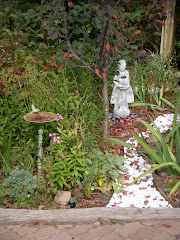




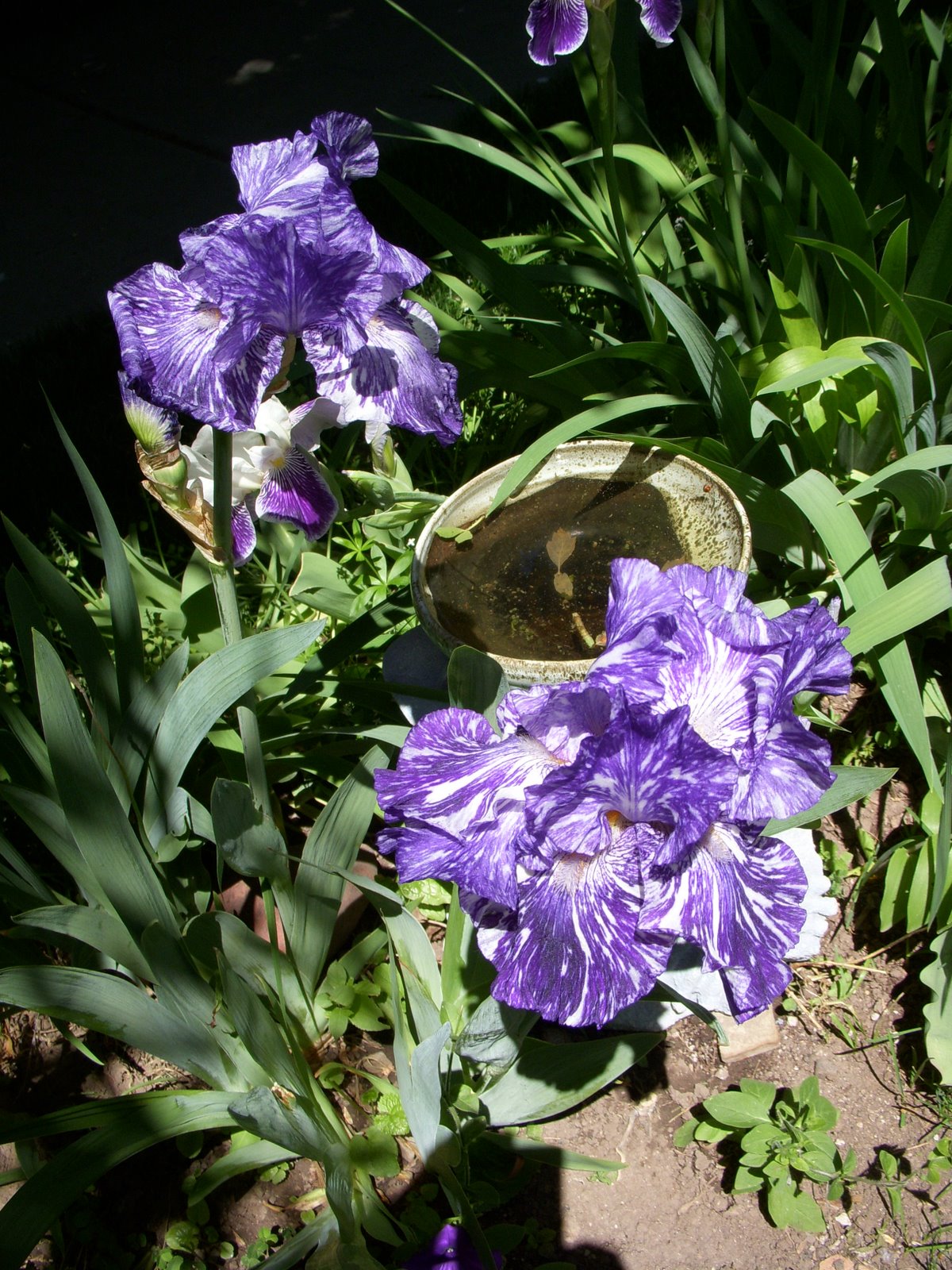


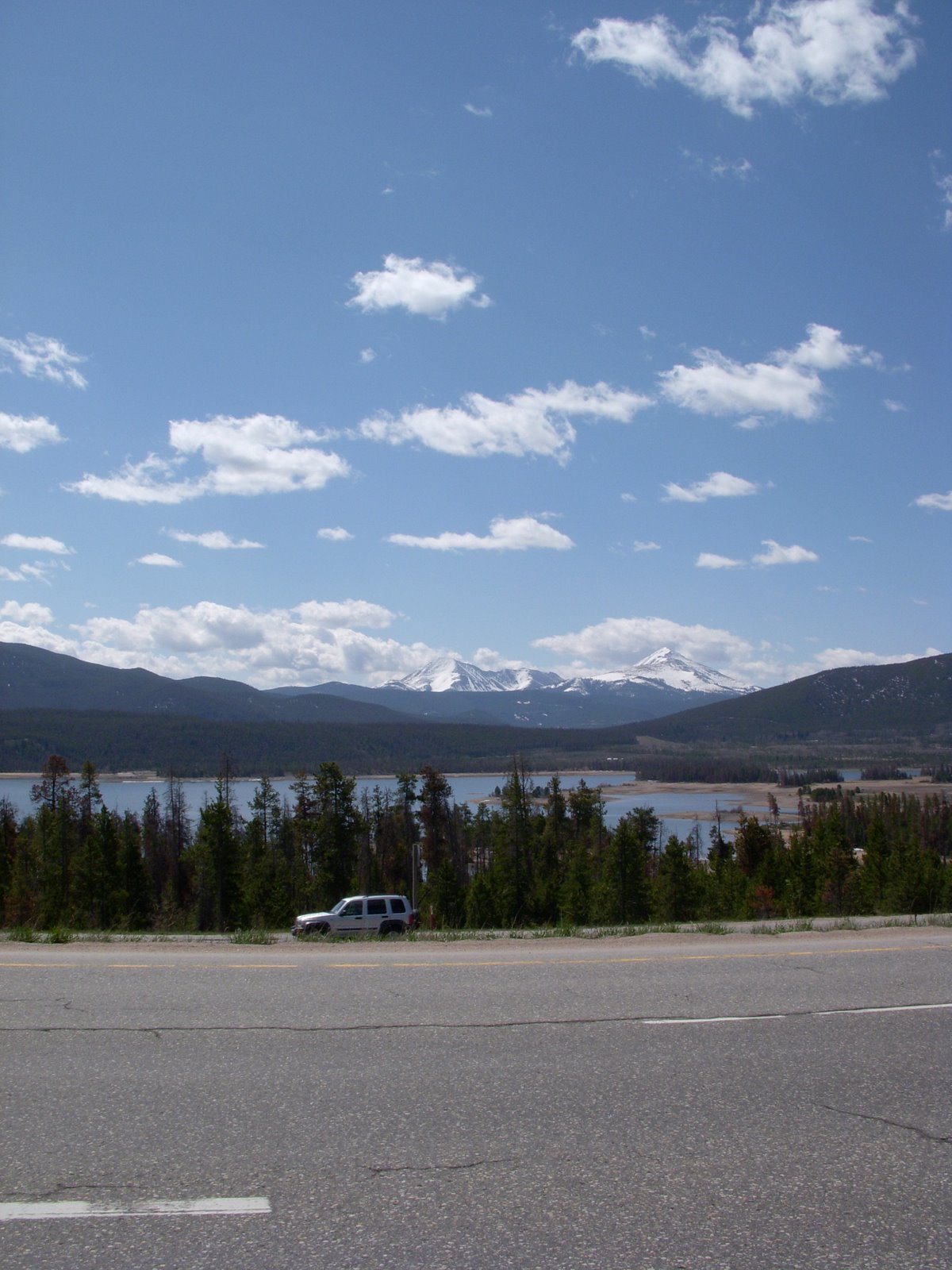


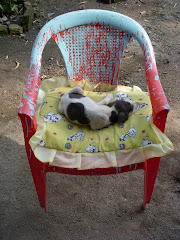


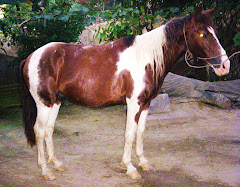


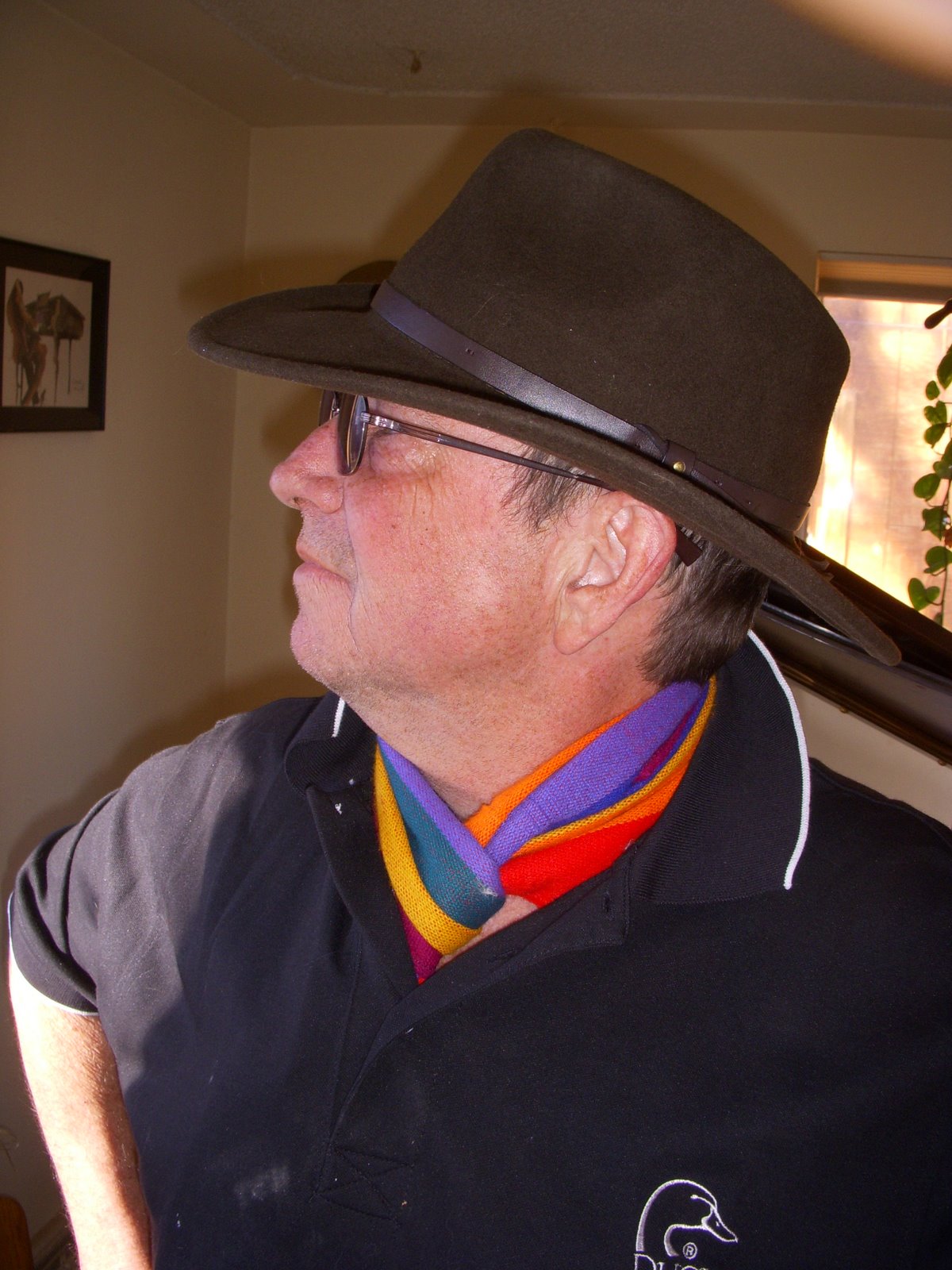

+003.JPG)
+001.JPG)
+006.JPG)
+007.JPG)


